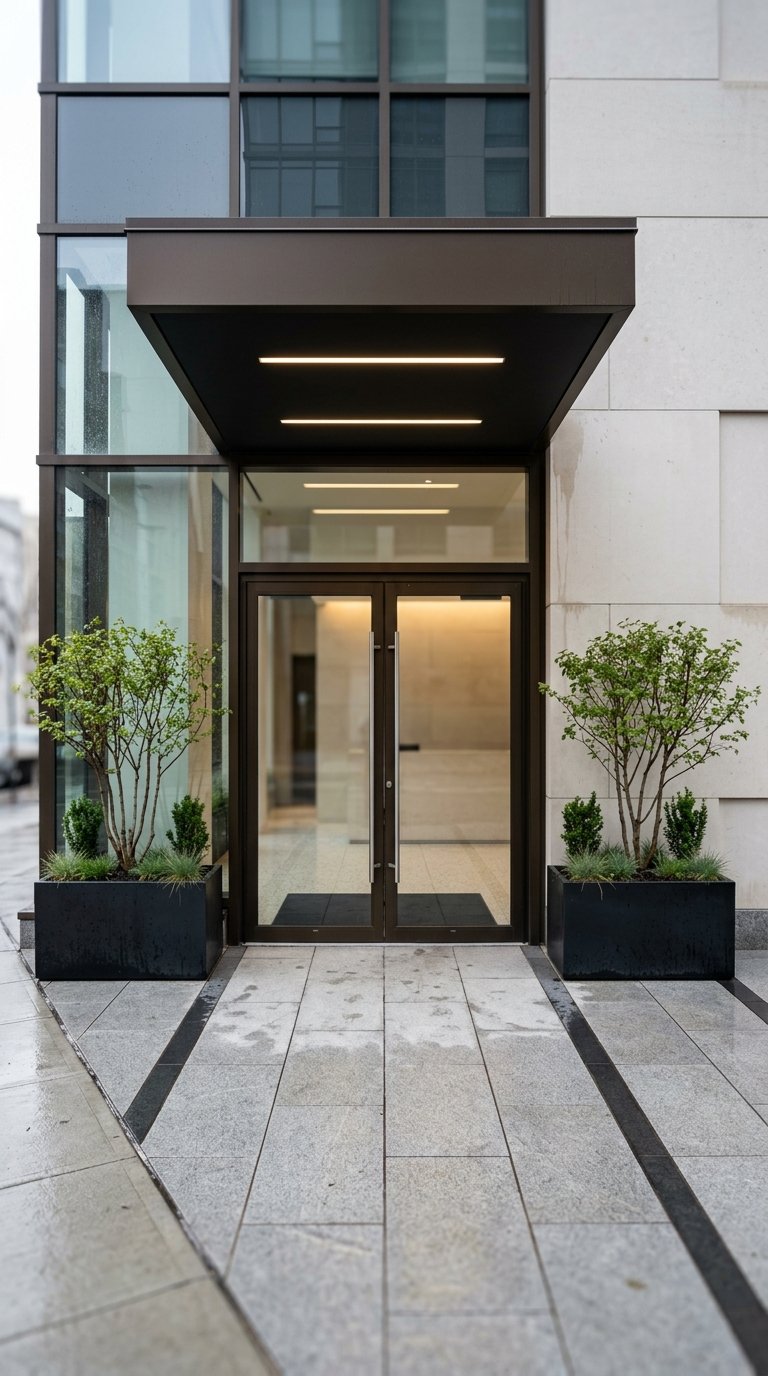
If you are searching for a luxury condo in Boston’s Seaport, one of the biggest mistakes you can make is treating every building as interchangeable. In this price tier, the building itself can shape your daily routine, monthly carrying costs, and long-term resale just as much as the residence. This guide will help you compare Seaport District luxury condo buildings with more clarity, so you can narrow your options with confidence. Let’s dive in.
Why building choice matters in Seaport
Seaport is a premium condo market, and the numbers help explain why building-level differences matter. As of April 16, 2026, condo data for the Seaport District showed an average sold price of about $3.05 million, average sold price per square foot of $1,876.52, average days on market of 110, 51 active listings, and roughly 10.2 months of supply.
That kind of market gives you meaningful choice, but it also means you should compare more than finishes and staging. In Seaport, factors like amenity load, HOA structure, parking, waterfront orientation, and even resale liquidity can vary sharply from one building to the next.
Transit access is another practical part of the comparison. The neighborhood is served by Silver Line Way, World Trade Center, and Courthouse stations, with South Station as the main downtown transfer point, and Silver Line 4 and 5 connect downtown, Seaport, and South Station. In real life, that means the distance from your lobby to the most convenient stop can matter more than a general Seaport address.
Compare Seaport buildings by lifestyle
The easiest way to shortlist buildings is to start with how you want to live. Some buyers want a quieter waterfront setting. Others want a full-service environment with a deeper amenity stack and more activity at street level.
A strong comparison starts with four questions:
- Do you want direct waterfront exposure or a more active mixed-use setting?
- How important are service levels like concierge, valet, or hotel-style staffing?
- Do you prefer a boutique scale or a larger residential ecosystem?
- How much monthly cost are you comfortable carrying for amenities and operations?
Once you answer those questions, the building list usually becomes much clearer.
22 Liberty overview
Best fit for classic Fan Pier waterfront living
22 Liberty is one of the foundational luxury condo buildings in Fan Pier. It includes 108 homes across 14 stories and was completed in 2015.
The building was designed as a terraced waterfront property focused on privacy while maximizing harbor and city views. Its amenity offering includes parking, a fitness center, a 24-hour concierge, and a function room.
For many buyers, 22 Liberty stands out because it offers a direct waterfront setting in a more contained building. If your priority is an established luxury address with a refined scale, it is often a natural place to begin.
50 Liberty overview
Best fit for a newer Fan Pier option
50 Liberty is the slightly newer sister tower to 22 Liberty. It has 120 residences across 14 stories and was completed in 2018.
It sits in the heart of Fan Pier near the marina, Harborwalk, retail, restaurants, and green space. Current amenity descriptions note underground parking, 24/7 concierge service, a fitness center, and a resident lounge.
If you like the Fan Pier waterfront experience but prefer a later-vintage building, 50 Liberty may be the stronger fit. For some buyers, the choice between 22 Liberty and 50 Liberty comes down to unit availability, view orientation, and the feel of the building rather than broad location alone.
Residences at PIER 4 overview
Best fit for boutique waterfront scale
PIER 4 is the most boutique option in this comparison set. The building has 106 units in nine stories and sits on land extending into Boston Harbor, with water on three sides.
The broader project includes 17,000 square feet of retail, a plaza, an elevated lawn, and a Harborwalk extension. Listing materials describe a strong service and amenity package, including concierge, doorman, valet, catering kitchen, dog spa, fitness and wellness center, resident lounge and media room, golf simulator, and a seaside sky terrace with a grill and fire pit.
For buyers who want a quieter waterfront feel without giving up luxury services, PIER 4 often earns a spot high on the shortlist. It can appeal to people who value a smaller-building experience more than a large campus environment.
Echelon Seaport overview
Best fit for maximum amenities
Echelon Seaport is the largest and most mixed-use option covered here. The development includes three residential buildings with 717 total residences, including 447 condominiums and 285 apartments, plus 125,000 square feet of retail and restaurant space.
Its amenity profile is also the broadest. Official materials describe 60,000 square feet of amenities, including two outdoor pools, one indoor pool, sun decks, a fitness room, private terraces, a landmark bridge, and a central courtyard and pedestrian mall, along with a below-grade garage for 560 vehicles.
If you want an active, amenity-rich environment with more of a resort-style feel, Echelon is usually the clearest match. Buyers comparing Echelon to smaller buildings should think carefully about whether they want energy and density or a more private atmosphere.
St. Regis Residences Boston overview
Best fit for hotel-style service
St. Regis Residences Boston at 150 Seaport Boulevard is a 114-unit, 22-story residential tower. It opened in late 2022 and is known for a service profile that stands apart in the Seaport condo market.
Current coverage highlights a 12,000-square-foot amenity floor with an indoor-outdoor infinity-edge pool, sauna, jacuzzi, steam room, spa, library, conference room, fitness center, sports simulator, lounge and bar, private wine vaults, guest suites, and waterfront dining. For many buyers, the defining feature is the hotel-branded service experience.
If your priority is a highly serviced residence with a strong hospitality component, St. Regis is often the most direct fit. It tends to attract buyers who place a premium on convenience, staffing, and brand-backed lifestyle services.
What to compare beyond finishes
A beautiful unit can draw you in, but the smarter decision often comes from looking deeper. In Seaport, your comparison should extend well beyond kitchen design, flooring, and staging.
Focus on these building-level variables:
- HOA composition, not just the monthly total
- Reserve strength and whether funds are kept separate from operating accounts
- Special assessment history
- Parking and storage costs
- Amenity depth and whether you will actually use it
- Building scale and how that affects privacy and traffic
- View corridors and whether they are likely to change
- Recent resale activity and price per square foot trends
- Door-to-transit convenience for your routine
These factors shape both ownership experience and future marketability.
How Massachusetts condo rules affect your review
Massachusetts condo ownership is governed by the master deed, deed, bylaws, and Chapter 183A. According to Mass.gov, the law requires an adequate replacement reserve fund held separate from operating funds, common expense assessments based on an annual budget, and governing document rules for maintenance, repair, and staffing decisions.
This is why HOA review should be more detailed than a quick glance at the fee. A higher monthly number is not automatically a red flag if it supports staffing, operations, reserves, and amenities in a well-managed way.
Mass.gov also notes that condo-law questions and rights and responsibilities should be reviewed with an attorney experienced in condominium law. For a Seaport luxury purchase, document review is not a side issue. It is a core part of due diligence.
Questions to ask when comparing buildings
When you tour or review options, bring a consistent set of questions to each building. That makes it easier to compare apples to apples.
Ask about true monthly cost
Start by asking what the effective monthly HOA looks like after parking, storage, and any amenity-related charges. In luxury buildings, the headline fee may not tell the whole story.
Ask about reserves and assessments
Find out how strong the reserve fund is and whether the association has had special assessments. This is especially important in amenity-heavy buildings with more complex operating budgets.
Ask about resale activity
Ask how many units have sold in the last 12 months and at what price per square foot. That gives you a better sense of liquidity and how buyers have recently valued that building.
Ask about view protection
Not every view is equally durable. Ask which view corridors are more likely to remain open and which may be vulnerable to future change.
Ask about transit access from the door
Because Seaport transit is spread across multiple stops, ask which entrance gives you the easiest walk to the nearest Silver Line station. That detail can have a real effect on day-to-day convenience.
A simple shortlist strategy
If you want a faster way to narrow the field, use this framework:
| Priority | Best starting point |
|---|---|
| Fan Pier waterfront setting | 22 Liberty or 50 Liberty |
| Smaller, quieter waterfront experience | PIER 4 |
| Largest amenity program and mixed-use energy | Echelon Seaport |
| Strongest hotel-branded service model | St. Regis Residences Boston |
This kind of shortlist is not meant to make the decision for you. It helps you focus your search on the buildings that best match your routine, priorities, and tolerance for monthly operating costs.
Final thoughts on choosing well
In Seaport, luxury condo buying is rarely just about finding the nicest kitchen or the best view on a first tour. The better outcome usually comes from comparing each building as its own micro-market, with its own cost structure, service model, waterfront position, and resale profile.
That is where a thoughtful, building-by-building process matters. When you evaluate amenities, fees, transit access, reserves, and long-term fit together, you are much more likely to choose a residence that feels right now and remains a strong asset later.
If you want a discreet, building-specific perspective on Seaport luxury condos, The Robinette Team can help you compare options with the level of detail this market demands.
FAQs
What is the best Seaport luxury condo building for waterfront living?
- If your priority is the classic Fan Pier waterfront setting, 22 Liberty and 50 Liberty are strong starting points, while PIER 4 may appeal if you want a more boutique waterfront experience.
What is the most amenity-rich condo building in Seaport Boston?
- Echelon Seaport has the largest amenity program in this comparison, with 60,000 square feet of amenities plus major retail and restaurant space.
What is the most service-focused luxury condo building in Seaport?
- St. Regis Residences Boston stands out for its hotel-branded service profile and broad amenity floor.
Why do HOA fees matter when comparing Seaport condo buildings?
- HOA fees affect your monthly carrying costs, but the key issue is what the fee covers, how reserves are funded, and whether the building has a history of special assessments.
How should buyers compare Seaport condo buildings in Boston?
- A strong comparison looks at lifestyle fit, amenity package, building scale, parking, reserve strength, assessment history, recent resale activity, view durability, and access to nearby Silver Line stops.