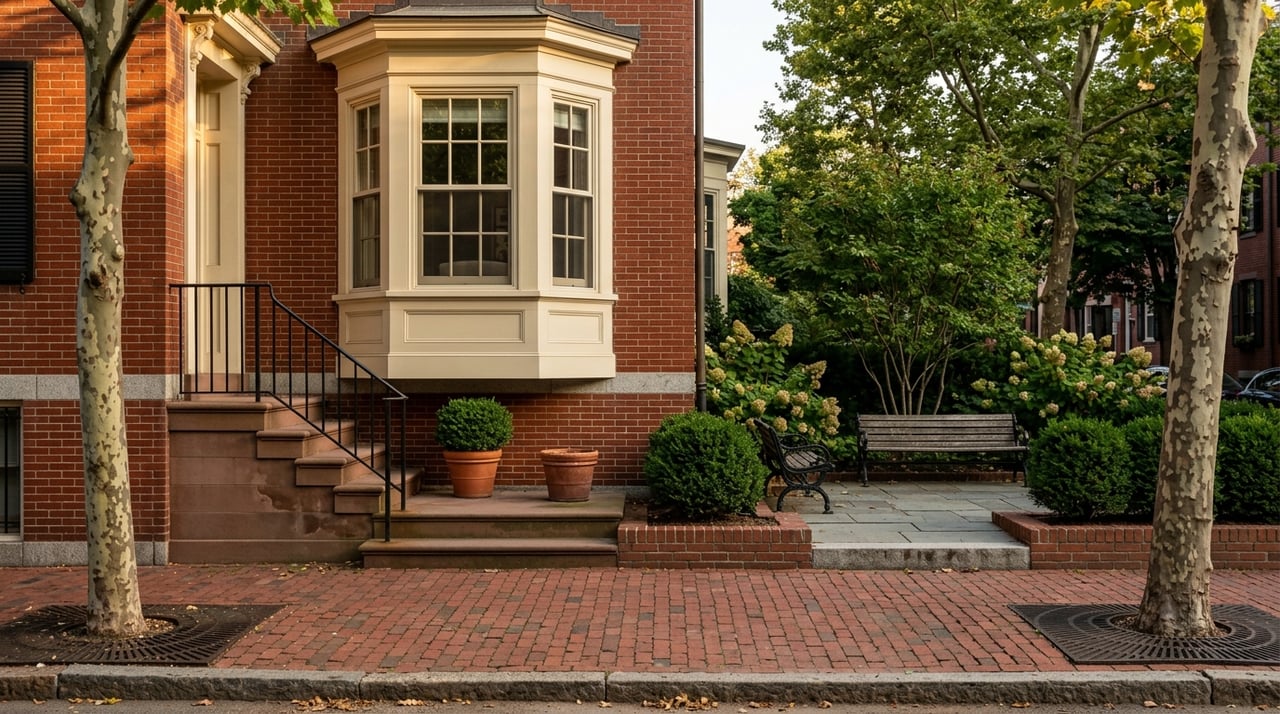
If you are looking for a Boston neighborhood that feels livable day to day, not just impressive on paper, the South End stands out quickly. Nearly 30 parks, squares, playgrounds, and garden spaces help shape the rhythm of daily life here, giving you regular places to pause, walk, gather, or recharge. If you are considering a move or simply trying to understand what everyday living looks like, these public spaces offer a clear window into the neighborhood. Let’s dive in.
Why South End green space feels different
Boston describes the South End as a landmark district in central Boston, just minutes from Downtown and Back Bay, centered on Tremont Street, Columbus Avenue, and Massachusetts Avenue. The city also notes the neighborhood’s thriving arts community, strong restaurant scene, and nearly 30 parks.
What that means in practical terms is simple: South End life is often built around many smaller outdoor spaces rather than one large signature park. For you, that can translate into a more flexible routine, where a dog walk, coffee break, playground stop, or quiet bench is often only a short walk away.
Everyday parks and squares in South End
The city’s park directory shows how broad the South End’s open-space network really is. It includes classic squares like Blackstone Square, Concord Square, Franklin Square, Union Park, and Worcester Square, along with active-use spaces such as Peters Park, O’Day Playground, Titus Sparrow Park, Hayes Park, and Msgr. Reynolds Playground.
This variety matters if you are thinking beyond a weekend visit. A neighborhood with a dense mix of squares, pocket parks, and play spaces often supports a more walkable, layered lifestyle, especially in a historic area where daily routines happen block by block.
Blackstone and Franklin Squares
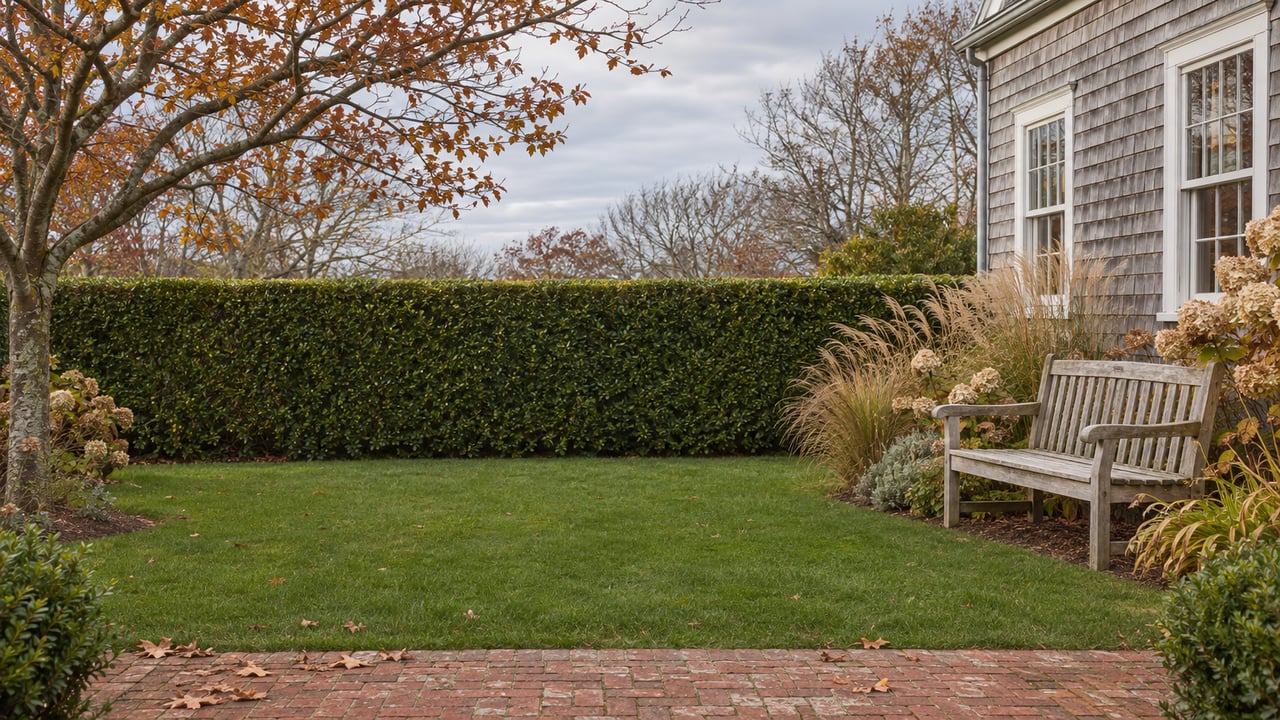
Boston highlights Blackstone and Franklin Parks as classically designed open spaces that offer respite from the neighborhood’s bustle. If you value a calm setting within a dense urban neighborhood, these are the kinds of places that can become part of your regular routine.
They are not just scenic extras. In a neighborhood like the South End, these quieter squares can shape how the area feels on an ordinary weekday, whether you are taking a short break, meeting a friend, or simply enjoying a less hurried moment outdoors.
Concord, Union, and Worcester Squares
Concord Square, Union Park, and Worcester Square help reinforce the South End’s pattern of smaller, distributed open spaces. These are part of the neighborhood fabric rather than isolated destinations, which is one reason the South End often feels so connected on foot.
If you are evaluating where to live, that matters. Access to several nearby squares can make everyday life feel more convenient and more balanced, especially if you enjoy getting outside without planning around a major park trip.
Peters Park for dog walks and recreation
Peters Park, located at 230 Shawmut Avenue, is the South End park that Boston specifically tags with a dog park. The city’s listings also note a loop path, tennis courts, basketball, a baseball diamond, a playground, benches, and shaded seating.
For many residents, that combination makes Peters Park one of the neighborhood’s clearest everyday anchors. If you have a dog, want a straightforward place for casual recreation, or appreciate a park with multiple uses in one setting, this is one of the most practical spaces in the South End.
Why Peters Park stands out
Some parks are best for sitting quietly. Peters Park offers that, but it also supports movement, routine, and convenience.
For buyers comparing different parts of Boston, spaces like this can be especially meaningful because they support several lifestyles at once:
- Dog walking
- Casual outdoor exercise
- Playtime with children
- Short breaks on a bench or shaded seat
- Informal neighborhood meetups
That versatility is part of what makes the South End appealing for everyday living, not just special occasions.
Family-friendly parks for daily use
If your routine includes playground time or outdoor time with children, O’Day Playground and Titus Sparrow Park deserve attention. Boston lists O’Day Playground with an amphitheater, basketball court, drinking fountain, playground, spray play, and seating.
The city’s accessibility inventory also notes that Titus Sparrow Park includes a basketball court and playground, along with accessible seating and shade features. Those details may seem small, but they can make a real difference in how easy a park is to use on an ordinary afternoon.
O’Day Playground
O’Day offers a strong mix of active and practical amenities. A playground, spray play area, and seating give it a daily-use feel that can work well for families who want something easy and close to home.
If you are thinking about how a neighborhood functions beyond housing stock, parks like O’Day help tell the story. They show where daily life happens in a way that listing photos cannot.
Titus Sparrow Park
Titus Sparrow Park brings another family-oriented option into the neighborhood mix. The accessible seating and shade features noted by the city help underscore its practical appeal for longer or more comfortable visits.
In a dense neighborhood, small design details can shape how often you actually use a public space. That is one reason these parks matter when you are judging how livable a location feels.
Small parks that support daily rhythm
Not every useful outdoor space needs to be large. Childe Hassam Park at 324 Columbus Avenue is listed with public art and seating, which suggests a more pause-and-reset kind of experience than a full recreation field.
That smaller role is still valuable. In the South End, compact spaces like this help create a neighborhood rhythm built around short outdoor moments, quick stops, and visual relief within a busy urban setting.
Community gardens add another layer
The South End’s green-space story is not limited to ornamental squares and playgrounds. Boston’s community-garden and urban-farm directory places Berkeley Community Garden, South Street Community Garden, and the Boston Medical Center Rooftop Farm in the neighborhood.
That mix gives the South End a more textured outdoor identity. It suggests that green space here is not only about scenery, but also about cultivation, participation, and neighborhood stewardship.
Berkeley Community Garden
Berkeley Community Garden, located at 500 Tremont Street, has 158 plots according to the city directory. That scale makes it a notable part of the neighborhood’s garden network.
For you as a buyer or seller, this kind of detail helps show how the South End functions beyond its architecture. Community garden space can contribute to a neighborhood feel that is active, engaged, and rooted in long-term use.
South Street Community Garden
South Street Community Garden, at 271 South Street, includes 37 to 40 plots in the city directory. While smaller than Berkeley, it still adds meaningful depth to the neighborhood’s mix of public and semi-public green spaces.
It is another example of how the South End distributes outdoor life across many sites rather than concentrating it in one place. That pattern is part of the neighborhood’s appeal.
Boston Medical Center Rooftop Farm
The Boston Medical Center Rooftop Farm is also listed in the South End. Boston notes that visitors and volunteers can learn more through the hospital.
Its inclusion is a reminder that urban green space in the South End can take multiple forms. Here, gardens and growing spaces complement the more visible squares and parks that most people notice first.
Seasonal events keep spaces active
The South End’s outdoor lifestyle is also shaped by seasonal programming. SoWa Boston describes the area as the South End’s Art + Design district, with restaurants, artist studios, galleries, showrooms, and boutiques in reclaimed industrial warehouse buildings.
Its Open Market runs every Sunday from May 3 to November 15, from 11 AM to 5 PM, and SoWa describes it as one of Boston’s largest open-air farmer and artist markets. For residents, that creates a recurring weekly event that adds energy and activity to the neighborhood.
SoWa First Fridays
SoWa First Fridays take place on the first Friday of every month. SoWa says artists, galleries, shops, and showrooms open to the public for an evening of art, culture, and inspiration, and that the event is family-friendly and free.
If you are drawn to neighborhoods with an active cultural calendar, this matters. It reinforces that South End living often extends beyond your building and into a broader pattern of walkable neighborhood experiences.
South End Open Studios
United South End Artists says South End Open Studios has been produced since 1986 and is free to the public. For 2026, the save-the-date is September 19 to 20, from 11 AM to 5 PM, with studio buildings at Wareham Street, 46 Waltham, 450 Harrison, and BCA Studios.
Events like this add another layer to the neighborhood’s public life. They help connect the South End’s arts identity with the same walkable streets and outdoor routes that shape everyday living.
Spring and Holiday Strolls
The South End Business Alliance also points to annual seasonal events like the Spring Stroll and Holiday Stroll. According to SEBA, the Spring Stroll celebrates retail, restaurants, warmer weather, longer days, and patio season, while the Holiday Stroll centers on shopping, dining, decorated shops, seasonal bites and drinks, and gift buying.
These events are worth noting because they show how neighborhood activity spills naturally into the public realm. In the South End, outdoor living is not limited to parks alone. It is part of a wider pattern of streets, squares, gardens, and seasonal gathering points.
What this means for buyers and sellers
If you are buying in the South End, parks and squares can influence far more than aesthetics. They can affect your daily routine, your walking patterns, where you spend time outdoors, and how connected a block feels to the rest of the neighborhood.
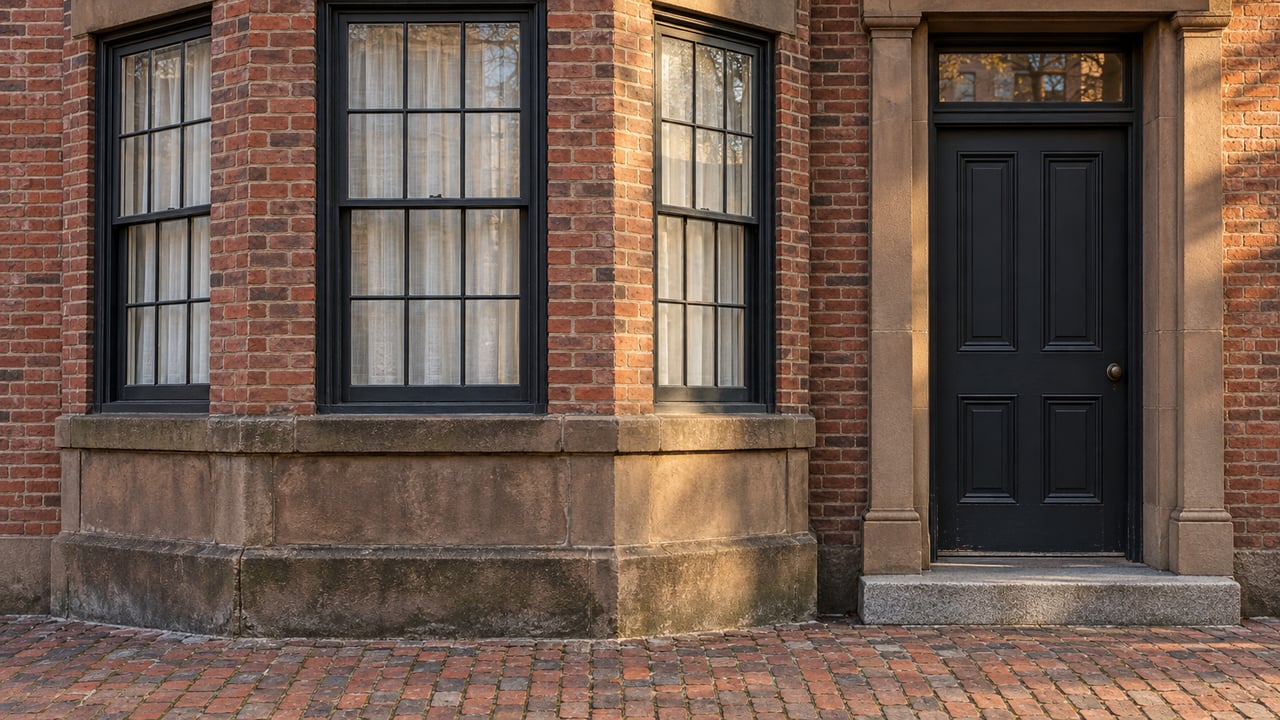
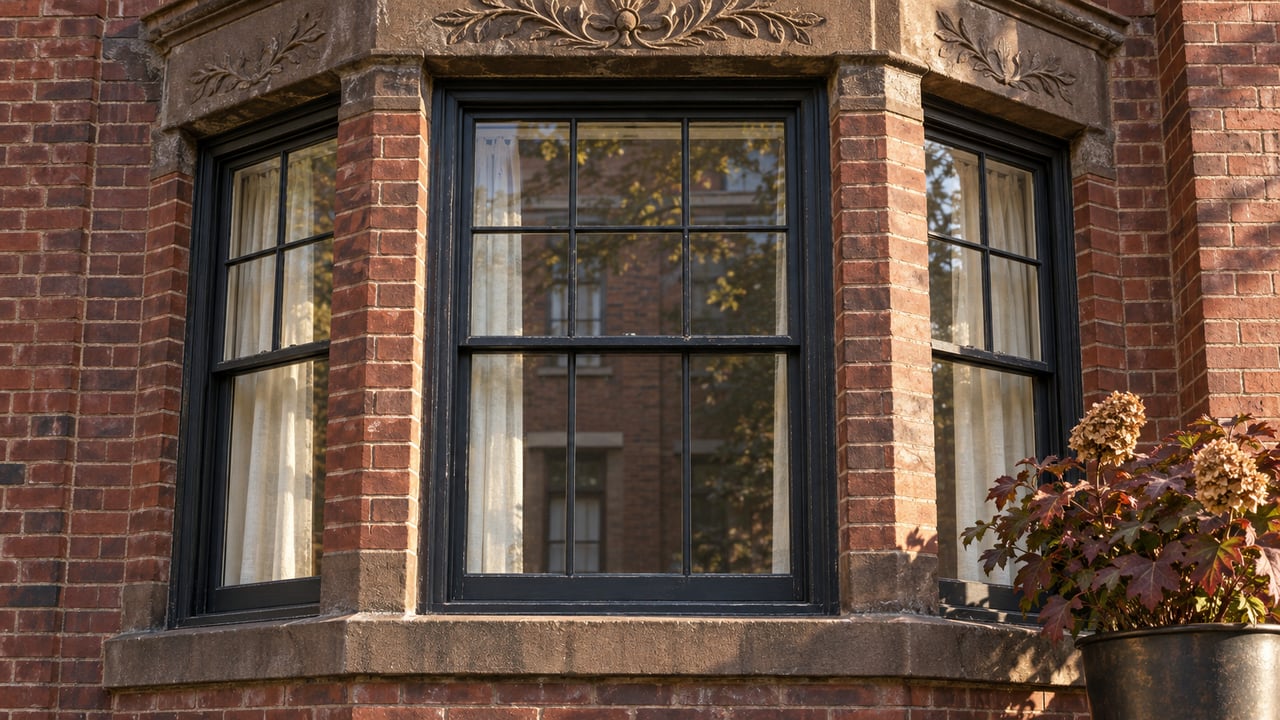
If you are selling, this network of public spaces is also part of the lifestyle story buyers notice. The South End’s appeal often comes from how these green and cultural nodes are woven into the historic brownstone street grid, creating a neighborhood that feels active, layered, and easy to enjoy day to day.
For many clients, that is the real advantage. The South End does not rely on one oversized amenity to define it. Its value comes from the density of useful, attractive, walkable places that support everyday life.
If you are considering a move in the South End, working with a team that understands how buyers experience the neighborhood block by block can make a meaningful difference. For tailored guidance on South End homes, lifestyle positioning, and discreet buying or selling strategies, connect with The Robinette Team.
FAQs
What makes South End parks different from other Boston neighborhoods?
- Boston notes that the South End has nearly 30 parks, and the neighborhood stands out for its dense network of smaller squares, playgrounds, and garden spaces rather than one single large park.
Which South End park is best for dog owners?
- Peters Park is the South End park that Boston specifically identifies with a dog park, and it also includes a loop path, benches, shaded seating, and other recreational amenities.
Which South End parks are useful for families with children?
- O’Day Playground and Titus Sparrow Park are strong everyday options, with the city listing playground and recreation features for both.
Are there community gardens in the South End Boston area?
- Yes. Boston’s directory lists Berkeley Community Garden, South Street Community Garden, and the Boston Medical Center Rooftop Farm in the South End.
What outdoor events shape everyday life in South End Boston?
- Regular seasonal highlights include the SoWa Open Market, SoWa First Fridays, South End Open Studios, and the South End Business Alliance’s Spring and Holiday Stroll events.