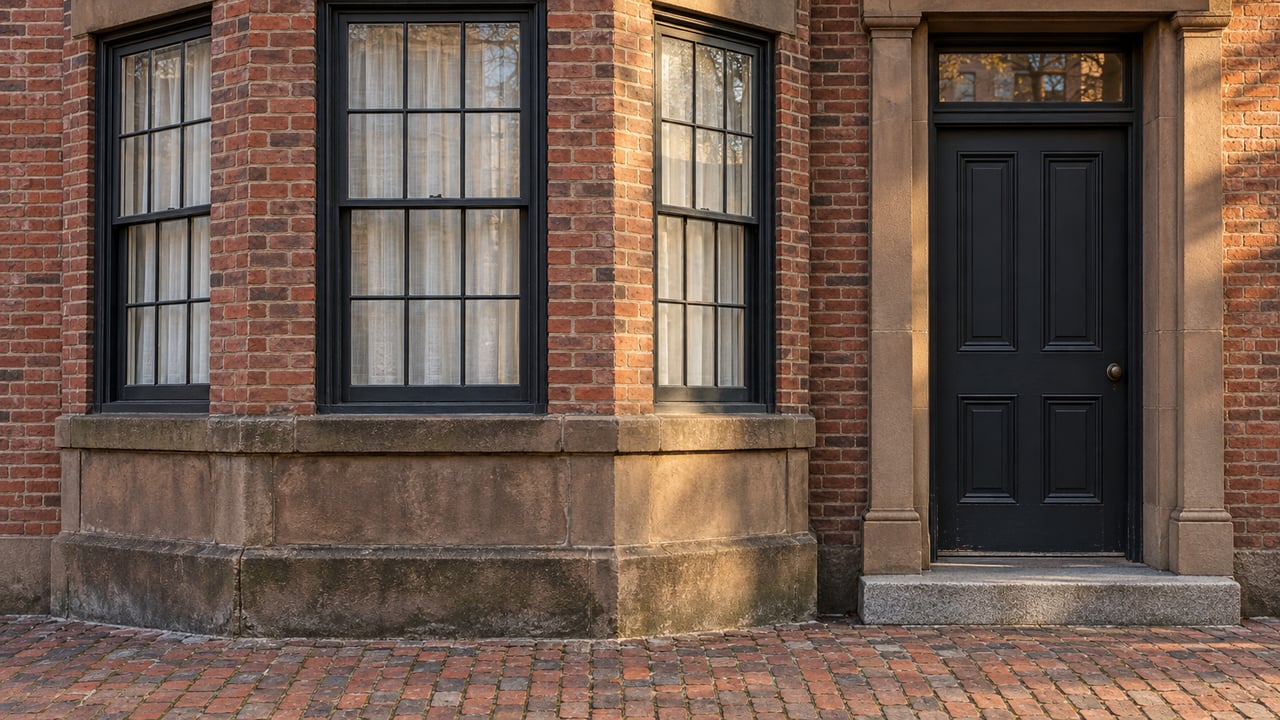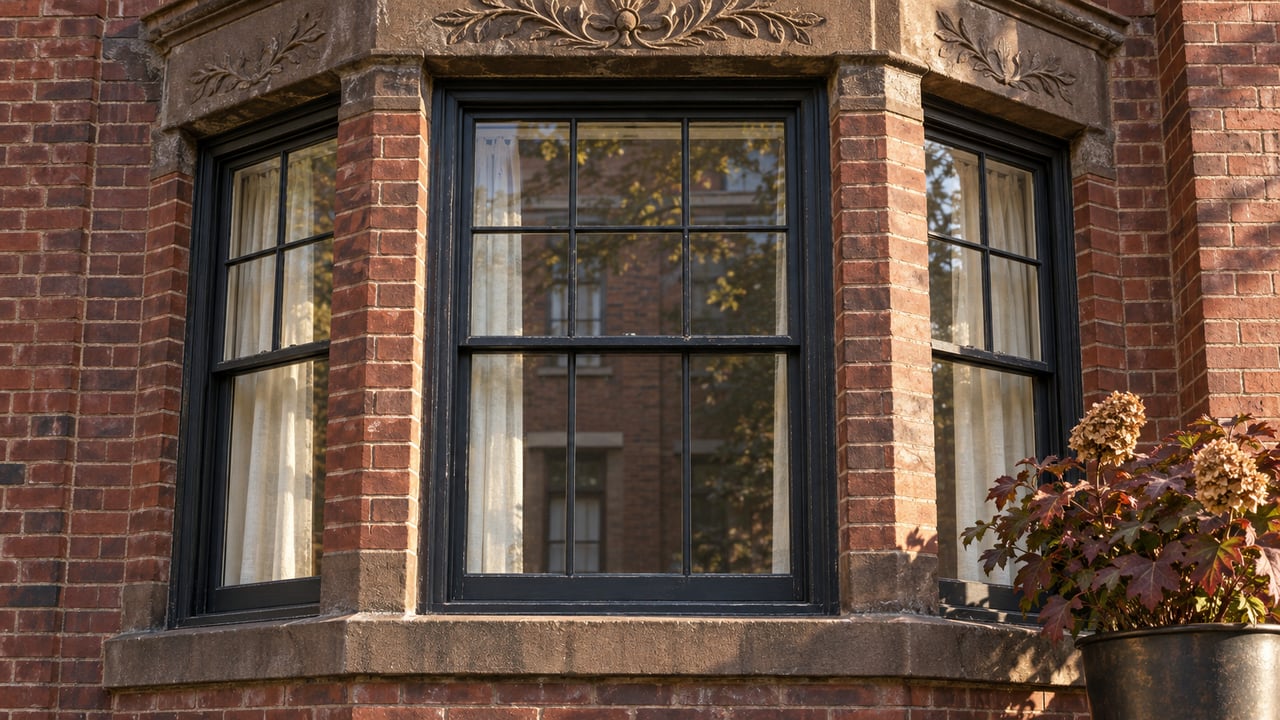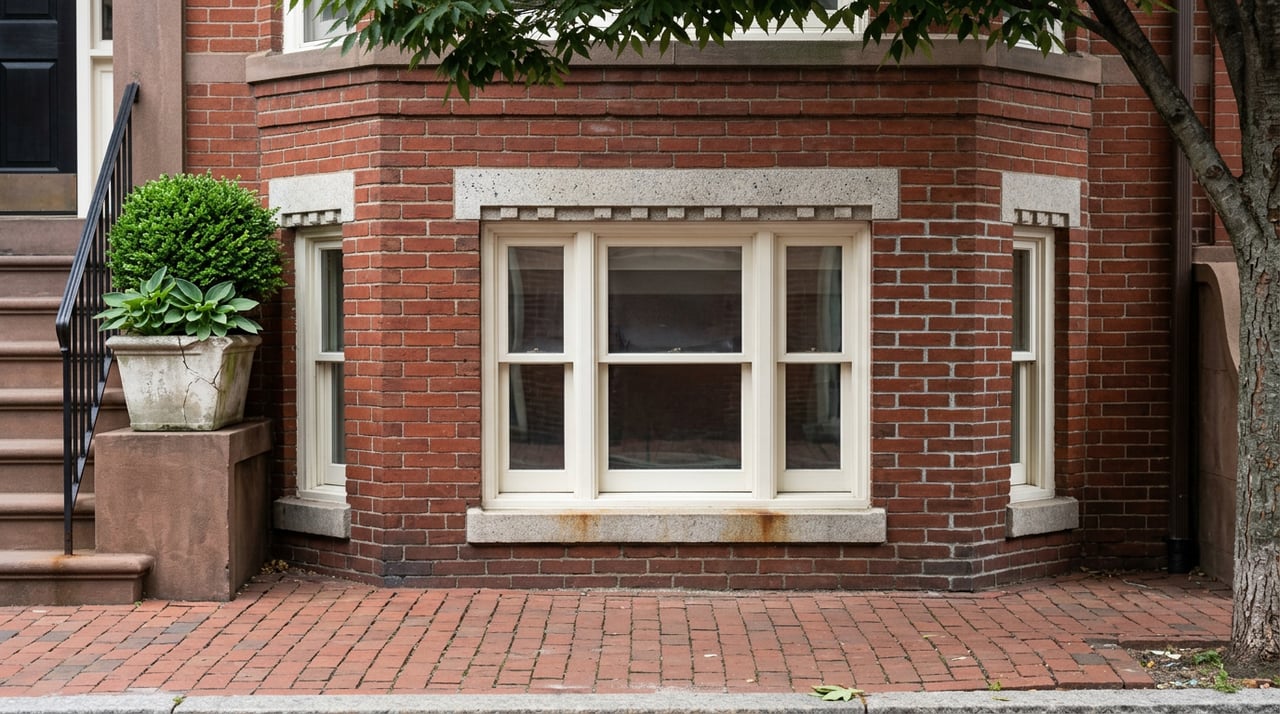
As The Boston Sun reported in March, a masonry repair at 72 Commonwealth Avenue has been sitting on the Back Bay Architectural Commission's docket since at least December 2025. It was still open when the commission met again in January, and it was still listed as continued from the January hearing when the commission convened again in March 2026. Down the street, 345 Beacon Street has an open case for unapproved masonry work and the removal of a tree and garden plantings that no one approved, carried through the same three hearings.
For anyone buying a brownstone in this district, the open cases are worth knowing about before making plans for exterior work.
The Commission Behind the Brick
The Back Bay Architectural Commission exists because of a 1966 act of the Massachusetts legislature, and its mandate is broader than most buyers assume. The General Court in 1966 passed an act establishing the Back Bay Architectural District and the Back Bay Architectural Commission, a commission presently within the City's Environment Department. Its stated purpose is not simply aesthetic. Among its goals is to stabilize and strengthen residential property values in the district. The commission treats a mismatched brick or an out-of-period window as a value question, not just a design one.
The commission is not an occasional review board. It meets the second Wednesday of each month to review proposed exterior design changes and alterations, and the docket does not slow down. Nine commissioners and five alternates sit on it, drawn from a mix of civic bodies. Commission records from earlier this year list Kathleen Connor as chair, representing the Back Bay Association, and Iphigenia Demetriades as vice-chair, representing the Greater Boston Real Estate Board, alongside representatives from the Neighborhood Association of the Back Bay and the Mayor's Office. This is a body with real estate interests literally seated at the table, which is worth knowing if you assume the commission is indifferent to resale value. It is built around that concern.
What Actually Requires a Certificate
The threshold for review is lower than most out-of-state buyers expect. The City of Boston says most proposed exterior work is subject to review, and a Design Approval Application must be submitted and approved before that work begins. That covers the obvious categories: a new roof deck, a replaced entry door, a repointed facade. It also covers things a buyer might not think to ask about before closing:
- Window replacement, even one-for-one swaps of a single sash
- Fence and front garden alterations, including tree removal
- Roof-mounted mechanical equipment, skylights, and antennas
- Signage, awnings, and exterior lighting fixtures
- Masonry repair and repointing, even when it's presented as maintenance
The exceptions are narrow enough to prove the rule. The City of Boston's residential guidelines say window air conditioners are permitted without commission approval, but only on a seasonal basis from May through September. Nearly everything else needs a hearing.
A Month of Real Cases
The commission's own agendas show how this plays out. The table below draws from actual 2026 filings, mixing routine approvals with the kind of open violation that a buyer needs to know about before they sign anything.
| Address | What's on the Record | Status |
|---|---|---|
| 72 Commonwealth Avenue | Unapproved masonry repairs at the front facade | Open violation, carried across Dec. 2025, Jan. 2026, and March 2026 hearings |
| 345 Beacon Street | Unapproved masonry work and unapproved tree removal and garden work at the front | Open violation, same three-hearing span |
| 157 Newbury Street | Reconfiguration and replacement of windows and doors at the front facade of the headhouse, filed by applicant Molly Hanson | Active design review, March 2026 |
| 150 Beacon Street | Replace 10 fourth-story windows with historically appropriate wood windows | Approved on the expedited administrative track, March 2026 |
The pattern is useful. In-kind replacements with a clear historic match tend to move through the expedited track quickly. Anything unpermitted, or anything that alters an original feature without a clear restoration argument, can sit open for months while the applicant works out an acceptable fix.
Why Ninety Days Isn't Unusual
If you're picturing a violation as a fine that gets paid and closed, the record says otherwise. In one case involving an unapproved wood enclosure, the commission's own minutes show the violation continued for ninety days so the applicant would have sufficient time to research and propose an approvable alternative. In a separate case involving unauthorized paving of a front garden, the violation was continued for sixty days on similar terms.
Those aren't penalties. They're extensions, granted because finding a solution the commission will accept takes real time, sometimes measured in seasons rather than weeks.
Building This Into the Purchase Agreement
Buyers of Back Bay brownstones tend to focus their due diligence on the usual categories: title, structural condition, condo documents if applicable. The architectural commission rarely makes that list, and it should.
Three questions are worth asking before you remove contingencies:
- Has any exterior work been done on this property in the last decade, and if so, is there a decision letter or Certificate of Appropriateness on file for it? Once an application is ruled on, the decision letter is what the owner would have used to pull a building permit, so its absence is a signal worth chasing down.
- If a certificate exists, is it still valid? Certificates of Appropriateness are valid for one year, and failure to comply with the approved plans invalidates the certificate entirely. An approval from three years ago for a project that was never built is not an approval you can use.
- Is there any active violation tied to the address, and if so, what stage is it at? A violation that's been open for one hearing cycle is a very different risk than one that's been continued three times.
None of this needs to derail a transaction. It needs to be priced and timed correctly. If you're buying with renovation plans already in mind, whether it's a roof deck, restored windows, or a rebuilt stoop, contacting commission staff early in the planning process to check compliance before you submit can save real time later. The commission reviews on a monthly cycle, not a rolling one, so missing a hearing date because your application was incomplete means waiting another month, not another week.
The Timeline Tax Even Routine Work Pays
It's tempting to think this only matters for ambitious projects, additions, garages, roof decks. The May 2026 docket says otherwise. Among the approvals that month was a straightforward request to replace six third-story windows at 136 Beacon Street with historically appropriate wood windows, filed alongside more than a dozen similar in-kind window and masonry applications on Beacon Street, Commonwealth Avenue, and Marlborough Street that same cycle. Even a like-for-like window swap goes through the same body, on the same monthly calendar, as a rear addition.
For a buyer planning cosmetic updates in the first year of ownership, that means budgeting a month or more for approval before a contractor can start, not the week or two a similar project might take outside a historic district.
Frequently Asked Questions
How long is a Certificate of Appropriateness valid? It lasts one year. Before relying on an approval, check its date and confirm the work followed the approved plans.
What should I check if a property has an open violation? Check how long the case has been open and whether it has been continued across hearings. The cases at 72 Commonwealth Avenue and 345 Beacon Street remained open across three hearings.
Can I do minor exterior work without any review at all? Very little falls outside the commission's reach. The clearest exception is seasonal window air conditioners, permitted from May through September without approval. Nearly everything else, including routine window and masonry work, requires a Design Approval Application first.
If you're evaluating a Back Bay brownstone and want a clear-eyed read on what its history with the architectural commission means for your timeline and your renovation budget, The Robinette Team can walk the property's record with you before you write an offer. Request a Private Valuation and we'll tell you what the address is actually carrying.
This article is general information, not legal, tax or financial advice. Consult a qualified professional about your situation.