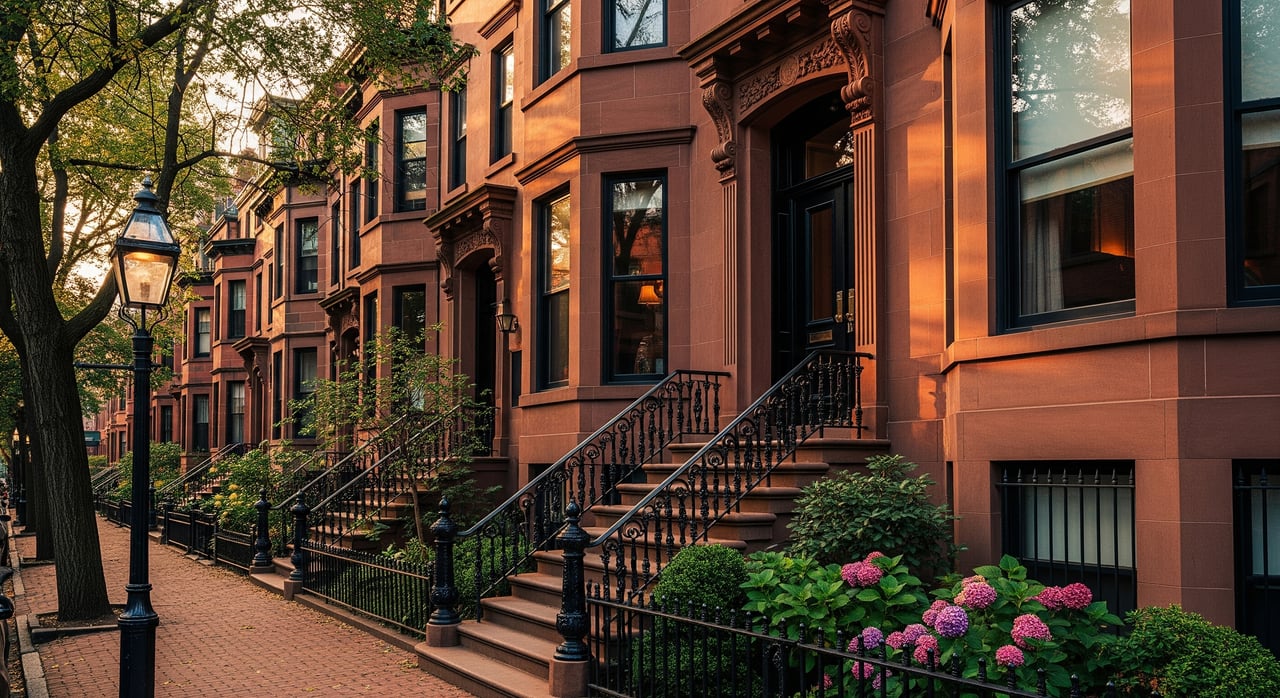
Dreaming about a classic Boston brownstone in the South End but not sure what that really means? You are not alone. Many buyers love the architecture and streetscapes, yet have questions about ownership, maintenance, and what daily life looks like in these historic homes. In this guide, you will learn what a brownstone is, how South End rowhouses are laid out, and the practical tradeoffs compared with larger condo buildings. You will also get a clear due‑diligence checklist so you can move forward with confidence. Let’s dive in.
What “brownstone” means in Boston
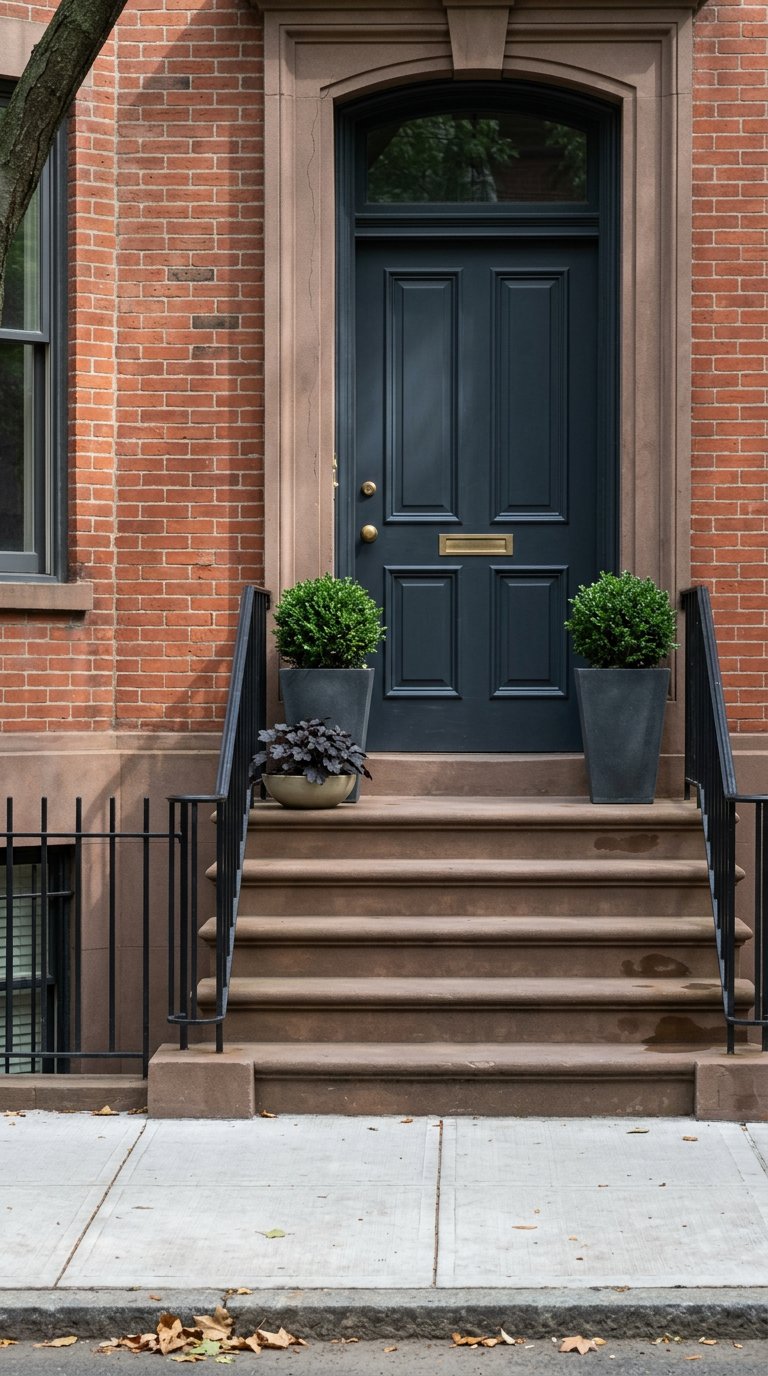
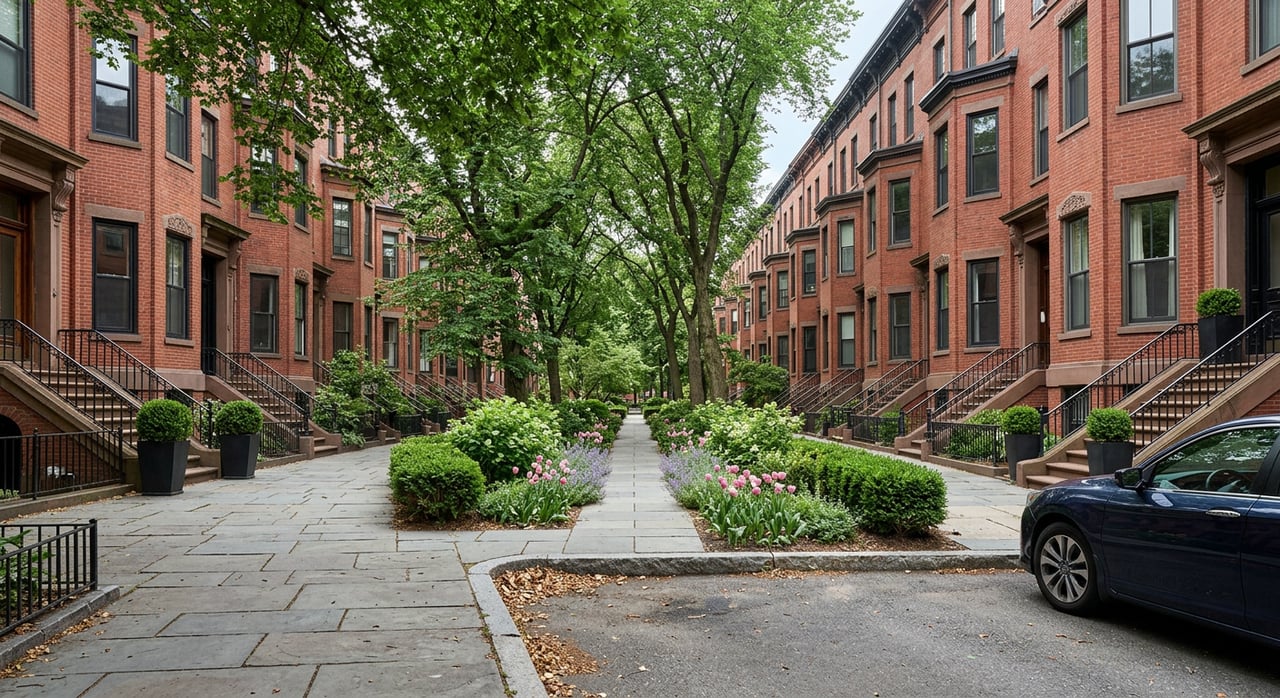
In the strict architectural sense, a brownstone is a building with a facade made of brown sandstone. In everyday Boston usage, the word “brownstone” also refers to the style of narrow, attached 19th‑century rowhouses with stoops, high ceilings, and tall windows. In the South End, many facades are brick with brownstone trim or stoops, yet most people still call them brownstones.
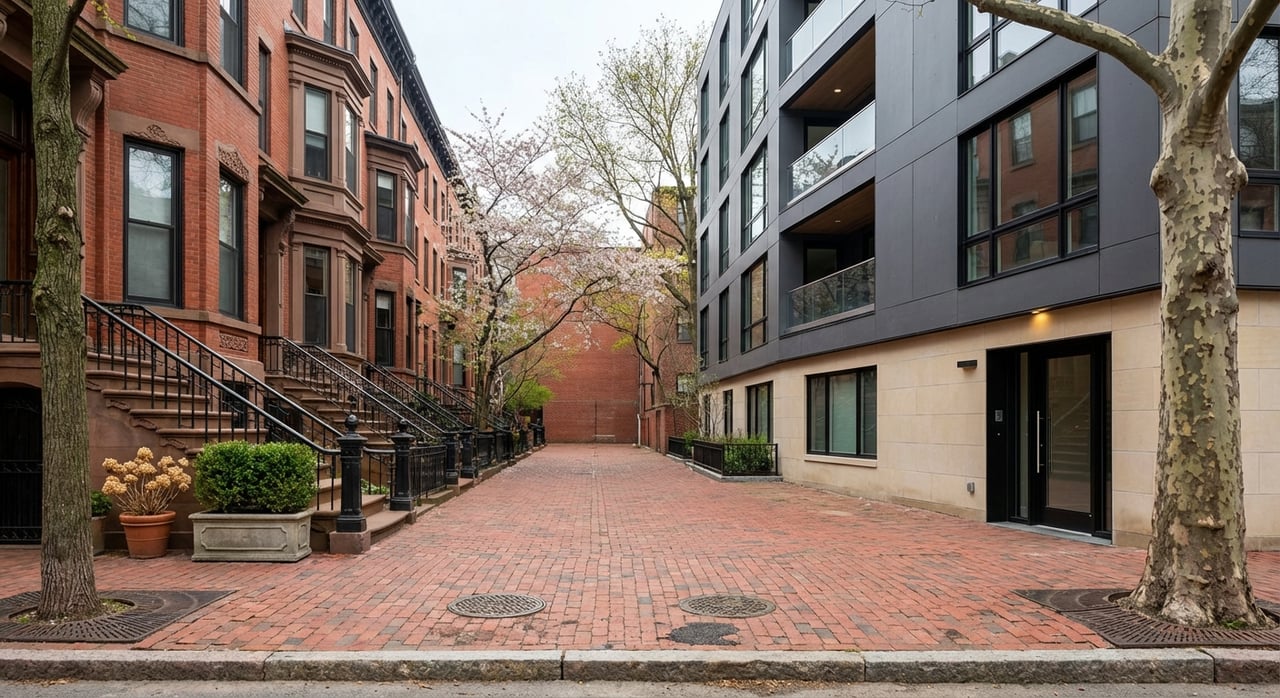
The South End is one of Boston’s most intact mid‑19th‑century rowhouse neighborhoods. You will see Victorian, Italianate, Gothic, and Queen Anne details from block to block. Many streets lie within local or national historic districts. Exterior changes that affect appearance, such as stoops, windows, or masonry repairs, often require permits and historic review.
South End architecture and lifestyle
South End brownstones are known for character and vertical living. Common features include raised parlor floors, tall windows, moldings, fireplaces, and English‑basement or garden levels. Many homes have separate garden‑level entries that lead to a patio or small yard.
Because much of the area is under historic oversight, plan ahead for exterior work. Masonry repointing, stone or stoop repair, window projects, and roof or cornice work may need approval. These materials and details are beautiful, and they can be more costly to repair than modern construction.
Common South End layouts
Raised parlor and stoop
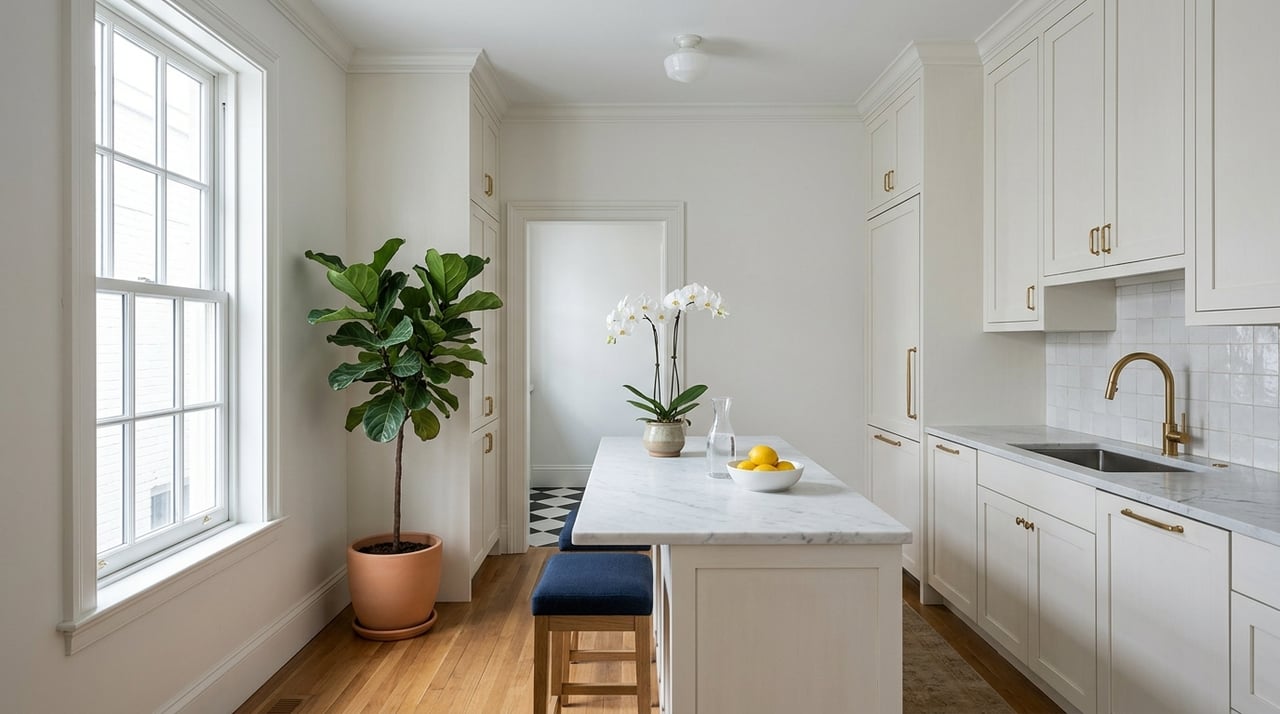
The parlor floor, reached by a stoop, typically holds formal living and dining spaces. Ceilings are higher here, and original plasterwork and fireplaces are common. In many renovated units, you will also see open‑plan kitchens on or connected to this level.
Garden or English basement
The garden level sits partially below grade. It often has a separate entrance and can serve as a kitchen and family area, a guest space, or an au‑pair or rental suite, where allowed. Buyers should check for past waterproofing work and moisture control.
Upper floors and top level
Bedrooms and baths usually occupy the upper stories. Some homes add a top‑floor suite or penthouse level. Stairs are part of daily life in rowhouses, so consider mobility, moving logistics, and storage.
Typical unit configurations
- Single‑family brownstone, where one owner occupies the entire building.
- Multi‑unit buildings converted to condominiums, with single‑floor units or multi‑level duplexes and triplexes.
- Garden‑level studios or one‑bedroom units with separate entrances.
Sizes vary widely, from compact garden units to larger single‑family restorations that span several thousand square feet.
Ownership models that shape your costs
Fee‑simple single‑family
You own the entire building and the land beneath it. You control how you use and improve the property, subject to historic rules and city permits. You also take on all maintenance, including exterior and structural work.
Condominium in a converted rowhouse
You own a defined unit plus a share of the common elements. The association operates under Massachusetts condominium law and its governing documents. Monthly dues usually cover exterior maintenance, building insurance for common areas, and shared services. Reserve funds and rules vary by building, especially in small associations.
Insurance is different for condos and single‑family homes. Associations carry a master policy for common elements, and unit owners typically carry HO‑6 policies for interior finishes and personal property. Single‑family owners carry a full building policy.
Less common structures
Cooperatives and tenancy‑in‑common arrangements are less common in the South End than fee‑simple or condos. They come with different governance and financing rules if you encounter them.
Maintenance and historic rules
Older rowhouses require periodic exterior and structural care. Typical items include brick repointing, brownstone or stone repair, stoop and step work, window restoration, cornice and roof maintenance, gutters, and foundation or water‑intrusion mitigation. Historic materials can be more expensive to repair or replace, and many exterior changes need approval in designated districts.
Common problem areas to evaluate include:
- Water and moisture at garden or basement levels, and whether pumps or waterproofing are in place.
- Condition of stoops, stairs, and stonework for safety and compliance.
- Signs of settling or party‑wall cracks between attached homes.
- Age and condition of mechanicals, electrical service, and plumbing.
Budget for cyclical capital items. In condos, review reserve adequacy and recent meeting minutes for planned projects or special assessments. In single‑family homes, ask contractors for estimates on near‑term exterior or structural work.
Financing and approval basics
Financing depends on the ownership structure. For condos, lenders review the building’s financials and governance. They often look for owner‑occupancy levels, adequate reserves, and no pending litigation. FHA and VA loans may require the condominium project to be approved, so verify status early. For single‑family brownstones, standard mortgage criteria apply, and lenders focus on condition.
Lifestyle tradeoffs to weigh
- Privacy and control: Single‑family homes offer the most control over use and design, within historic rules. Condo owners share decision‑making and must follow association documents.
- Upkeep and predictability: Condo dues cover many exterior items, but special assessments can arise. Fee‑simple owners face variable costs and should plan for capital work.
- Community and governance: Associations can provide structure and community. Small associations may require active owner involvement.
- Access and mobility: Expect multiple stair flights and narrower stairs than in newer buildings. Consider daily living, guests, and deliveries.
- Rental options: Garden‑level rental suites are common. Association rules and city regulations may limit rentals and short‑term rentals. Boston has specific short‑term rental rules, including registration and principal‑residence limits, so confirm what is allowed.
Buyer due‑diligence checklist
Use this checklist to protect your purchase and avoid surprises.
For condo buyers
- Master deed or declaration, bylaws, rules, and recent meeting minutes.
- Last 2 to 3 years of budgets and financial statements, plus any reserve study.
- Details on planned or pending capital projects and any special assessments.
- Master insurance policy, coverage type, and deductibles.
- Management agreement and current monthly assessment schedule.
- Project eligibility for your financing program, including FHA or VA status if relevant.
For fee‑simple buyers
- Full building inspection, including structure, roof, and masonry.
- Contractor estimates for deferred exterior or mechanical work.
- Records of permits for recent renovations and confirmation of historic approvals for past exterior changes.
For all buyers
- Moisture and water‑intrusion checks at garden or basement levels.
- Heating system type and age, electrical service capacity, and plumbing condition.
- Any litigation that involves the building or association.
- Rental, zoning, and short‑term rental restrictions, plus parking or storage options.
- Insurance responsibilities, including whether the association master policy is bare‑walls or all‑in, and what your HO‑6 or HO‑3 policy must cover.
- Lender requirements for the building and your loan program.
Is a South End brownstone right for you?
If you value historic character, vertical living, and a classic Boston streetscape, a South End brownstone can be an excellent fit. The key is understanding how the building is owned and maintained, what the association expects, and what projects may be coming due. With thoughtful due diligence and the right team, you can enjoy the charm and long‑term value these homes offer.
If you want discreet guidance on available and off‑market options, curated tours that match your lifestyle, and a smooth path from offer to close, connect with The Robinette Team. Our boutique approach pairs neighborhood expertise with premium execution so you can buy with clarity and confidence. Request a Private Valuation or start a quiet search on your timeline.
FAQs
What does “brownstone” mean in Boston’s South End?
- Strictly, it refers to a sandstone facade, but locally it also describes the style of attached 19th‑century rowhouses with stoops, high ceilings, and tall windows.
How are South End rowhouses typically laid out?
- You will often see a raised parlor floor for living and dining, a garden or English‑basement level that may have a separate entrance, and bedrooms on upper floors.
Are most South End brownstones condos or single‑family homes?
- You will find both, including single‑family townhomes and many condo conversions with single‑floor units and multi‑level duplex or triplex layouts.
Will historic‑district rules limit exterior changes?
- Many streets are in historic districts, and exterior changes that affect appearance often require permits and review, including windows, stoops, masonry, and roof elements.
How challenging is financing in a small condo building?
- Lenders review owner‑occupancy, reserves, and any litigation, and FHA or VA loans may require project approval, so verify eligibility early in your process.
Can I rent a garden‑level unit or do short‑term rentals?
- It depends on zoning, the building’s legal setup, association rules, and Boston’s short‑term rental regulations, which include registration and principal‑residence limits.