Are you eyeing a Back Bay condo and wondering how the association really works? You are not alone. In Boston’s most historic neighborhood, the details behind bylaws, reserves, and special assessments can make or break your experience and long-term costs. This guide walks you through how Back Bay condo associations operate, what to compare across buildings, and the questions to ask before you commit. Let’s dive in.
What a Back Bay condo association does
A condo association manages the shared parts of your building and enforces the rules everyone lives by. You contribute monthly fees for operations and long-term maintenance. In return, the association budgets, maintains common areas, insures the building’s structure, and plans for capital projects.
Your experience depends on how the association is run, the building’s age and amenities, and how well the board plans for future costs. In Back Bay, the mix of historic brownstones and full-service buildings means no two associations are alike.
The rules that govern your building
Massachusetts law and your documents
Condominiums in Boston are governed by the Massachusetts Condominium Act, known as M.G.L. Chapter 183A. This law sets the baseline for how condos are created and operated, including assessments, voting, and meetings.
Your day-to-day rules come from the building’s master deed, bylaws, and rules and regulations. These private documents can set policies on everything from rentals to pets, and they define your percentage interest used for voting and assessments. Many associations are also organized as nonprofit corporations, which adds corporate bylaws about board roles, quorums, and recordkeeping.
Historic district approvals
Back Bay sits within Boston’s historic districts. Any exterior change, like window replacements, façade repairs, or stoop work, often requires review by the city’s Landmarks Commission. The Boston Landmarks Commission process can add time and cost and may call for historically appropriate materials. Factor this into your expectations for timelines and capital planning.
How most associations are organized
Most buildings elect a board of trustees or directors from among unit owners. The board manages operations, hires vendors, and prepares budgets within the powers granted by the documents and state law. Larger buildings often hire professional property managers. Smaller brownstones sometimes self-manage to save costs, which can work well when owners are engaged.
Associations hold at least an annual meeting and may call special meetings for major decisions. Voting thresholds for amendments, special assessments, or loans are spelled out in the governing documents. Ask to see recent meeting minutes to gauge transparency and follow-through.
Money matters to compare
Monthly fees and budgets
Monthly common charges fund routine expenses. Budgets typically cover building staff, utilities for common areas, cleaning, snow removal, elevator service, landscaping, insurance premiums, management fees, and day-to-day repairs. Fees are usually allocated based on the percentage interest stated in the master deed.
Small brownstones with fewer amenities often have lower monthly fees. Full-service buildings with doormen, elevators, and gyms usually cost more each month but may offer more predictable planning and reporting. Compare budgets line by line to see where your money goes.
Reserves and reserve studies
Reserve funds cover big-ticket items like roof replacements, elevator overhauls, boilers, and masonry work. Best practice is to commission a reserve study that inventories major components, projects useful life, and recommends a funding plan. The Community Associations Institute offers widely used guidance on reserve studies and funding strategies.
A building with an up-to-date reserve study and a healthy reserve balance is less likely to surprise you with special assessments. If there is no study or reserves are thin, expect higher risk and ask more questions.
Special assessments and borrowing
When reserves fall short, associations can levy special assessments to pay for planned or urgent projects. Documents usually define when a member vote is required and in what amount. Some associations also borrow for capital work, which can affect monthly fees during the loan term.
As a buyer, review the history of assessments and the list of upcoming projects. Frequent special assessments or large projects without a clear funding plan are key warning signs.
Insurance basics
Associations carry a master property and liability policy that covers the building structure and common areas. It does not replace your personal coverage. Review the master policy limits and deductibles, then secure an HO-6 policy to cover interior finishes, personal property, and loss assessments. Large deductibles on the master policy can shift costs to owners in the event of a claim.
Brownstones vs full-service buildings
Small brownstone associations
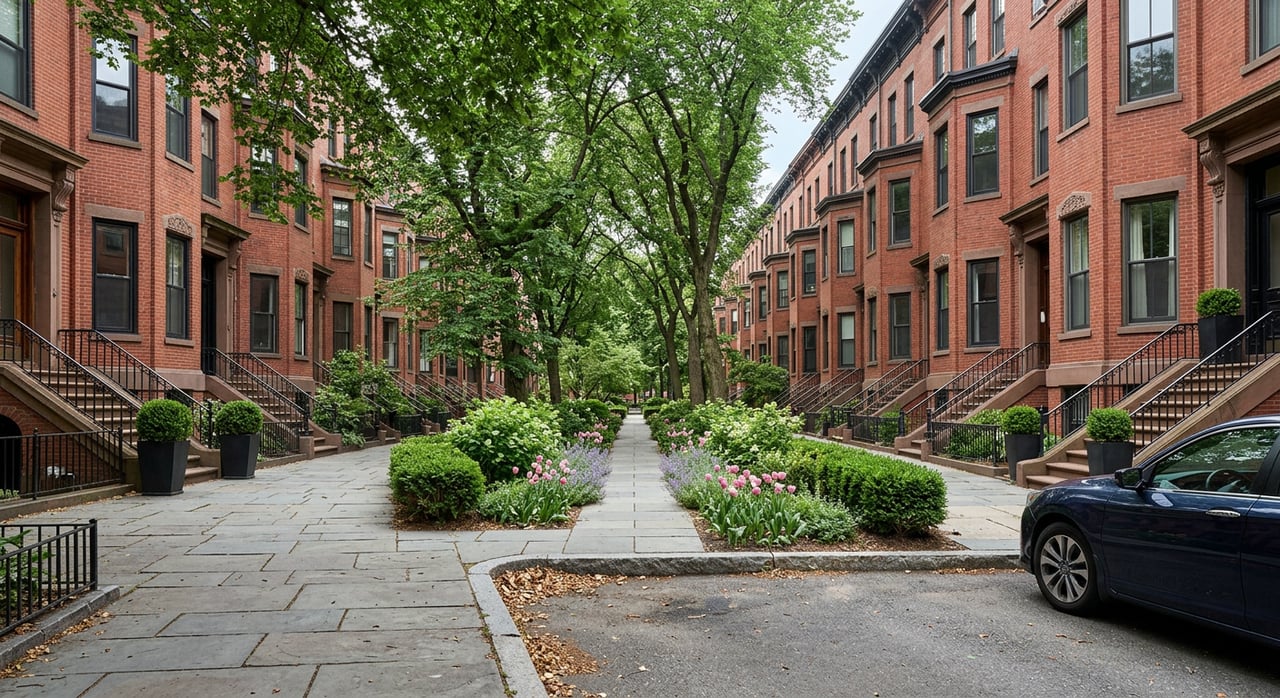
Historic brownstones often range from 2 to 12 units. They may be self-managed and operate with lean budgets. While there are fewer shared systems, exterior masonry, windows, and brownstone steps require specialized care under historic review.
Monthly fees may be lower, but reserves can be modest. That can lead to occasional large special assessments for roofs, masonry, or major mechanicals. Ask who handles exterior work, how costs are split, and whether there are any shared maintenance agreements with neighboring buildings.
Large, full-service buildings
Larger associations typically have professional management and on-site staff. They run centralized systems like boilers, elevators, and garages, and offer amenities that add value but increase operating costs. These buildings often maintain more formal financial reporting and reserve planning.
Fees are higher, but the planning can be more predictable. Review the reserve study, vendor service contracts, and replacement timelines for elevators or boilers. Policies on rentals and investor ownership can affect financing options.
What this means for you
Every building sits on a spectrum. Do not assume a brownstone is low cost or a high-rise is always better funded. Read the documents, compare the budgets, and assess the capital plan. The right fit balances lifestyle, fee structure, and long-term maintenance.
Due diligence checklist for Back Bay buyers
Request these documents early:
- Master deed or declaration, bylaws, and rules and regulations
- Articles of incorporation and amendments
- Current operating budget and the last 2 to 3 years of financial statements
- Most recent reserve study or written reserve policy and current reserve balances
- Board meeting minutes from the past 12 to 24 months
- Master insurance policy summary and declarations page, including deductible
- Estoppel or status letter confirming fees, assessments, and any liens
- Disclosure of pending litigation, violations, or city notices
- Details and invoices for recent and planned capital projects
- List of owner delinquencies, if available
- Management contract and contact information for management, board, and association counsel
Key questions to ask:
- How much is in the reserve fund and when was the last reserve study?
- Have there been special assessments in the last 5 to 10 years? Are any expected?
- What are the borrowing powers and are there current loans?
- Are there any active repairs, code notices, or litigation?
- What are the policies on rentals, short-term rentals, and pets?
- How often does the board meet and how are decisions communicated to owners?
- For brownstones, who is responsible for exterior elements and shared systems?
Red flags to watch:
- No reserve study and minimal reserves for an older building
- Frequent or recent large special assessments for structural or envelope work
- Significant pending litigation that could affect finances
- Master insurance with large deductibles or limited coverage
- Inconsistent minutes, unclear governance, or high board turnover
- Historic-district compliance issues or unresolved city notices
Practical protections:
- Use a qualified condo attorney to review documents and confirm transfer procedures and certificates
- Include a contingency for association document review and attorney approval
- Request the reserve study and the most recent financials as part of your offer
- If financing, confirm project approval requirements early using lender or HUD guidance on condominium criteria
Back Bay specifics that affect timelines and costs
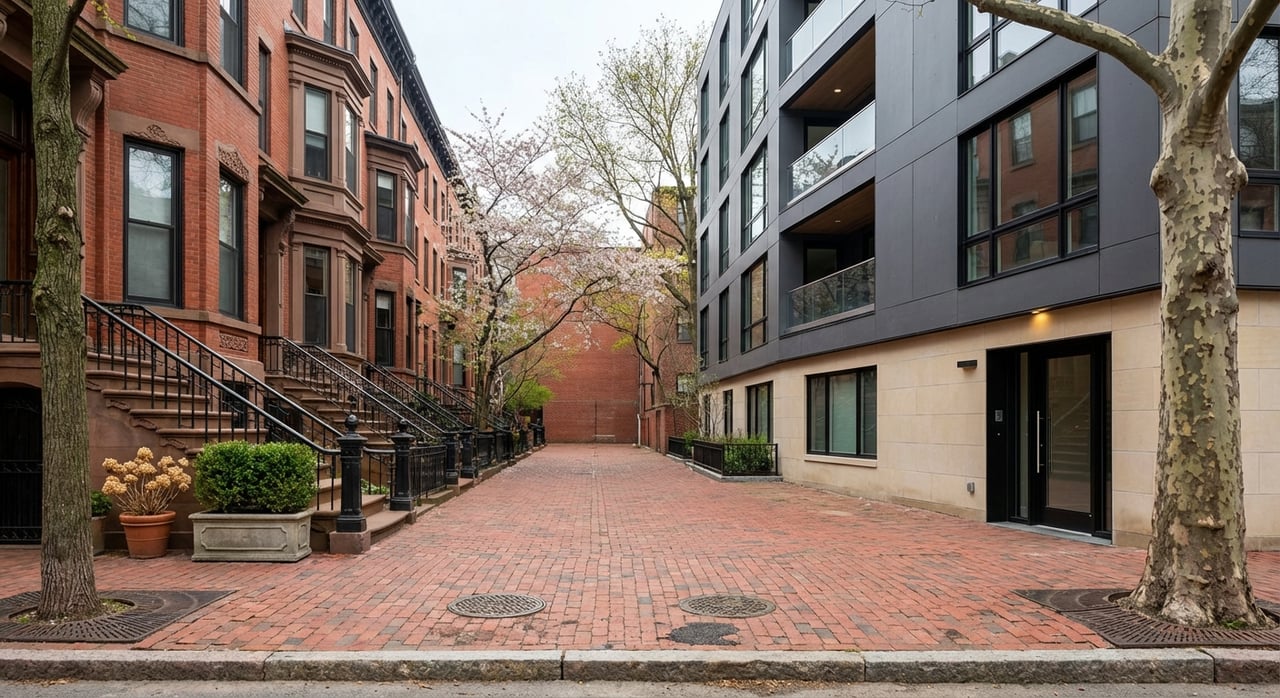
Back Bay’s historic fabric is a source of pride and a planning reality. Exterior work usually goes through the Boston Landmarks Commission. Expect longer lead times, design review, and specialized materials for façades and windows.
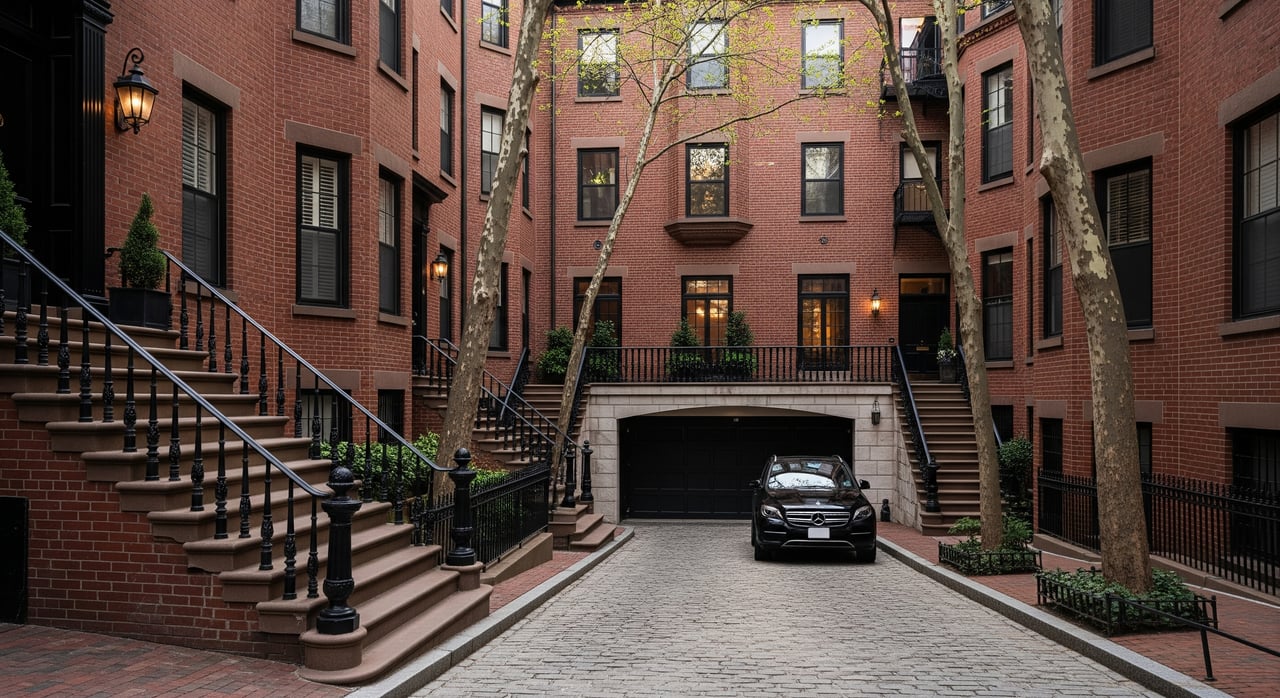
Many buildings date to the late 19th and early 20th centuries. Masonry repointing, brownstone repair, and aging mechanicals are part of the life cycle. In larger buildings, garage operations and centralized systems can be major expense lines. Utility metering varies, so confirm what your fee covers.
Financing can hinge on the project’s financial health, owner-occupancy ratios, and reserve funding. Lenders and federal programs apply project scrutiny, so align early with your lender on documentation needs.
Work with a trusted local advisor
Choosing a Back Bay condo is about more than the floor plan. It is about the strength of the association behind your home. You want clear documents, realistic reserves, and a board that plans ahead.
With neighborhood-level expertise and discreet deal flow, we help you compare associations, surface off-market options, and coordinate a smooth review process with your attorney and lender. If you are weighing brownstones versus full-service buildings, we will help you map fees, reserves, and long-term capital needs to your goals.
Ready to approach the Back Bay market with confidence? Connect with The Robinette Team to start a private, strategic search.
FAQs
What is a condo association and how does it affect my Back Bay purchase?
- A condo association manages common areas, enforces building rules, collects monthly fees, and plans long-term repairs, which directly affects your costs and quality of life.
Which laws and rules govern Back Bay condo associations?
- Massachusetts law under Chapter 183A sets the baseline, while your master deed, bylaws, and rules control daily operations and owner obligations.
Why do historic-district rules matter for Back Bay condos?
- Exterior projects often require review by the Boston Landmarks Commission, which can add time and cost and requires historically appropriate materials.
What is a reserve study and why should I ask for one?
- A reserve study evaluates building components and recommends funding to cover major repairs; the Community Associations Institute outlines best practices, and a current study reduces the risk of surprise assessments.
How do special assessments work in Boston condo buildings?
- If reserves are insufficient, boards can levy special assessments per the master deed allocation; large assessments may require owner votes and can be collected in lump sums or installments.
What documents should I review before buying into a Back Bay association?
- Ask for the master deed, bylaws, rules, budgets, financials, reserve study, insurance summary, meeting minutes, status letter, litigation disclosures, and details on recent and planned projects.