If you are drawn to Beacon Hill, you are probably not looking for a generic city condo. You are looking for a neighborhood with history, texture, and a daily rhythm that feels distinctly Boston. For buyers, that appeal is real, but so are the practical tradeoffs. This guide will help you understand how Beacon Hill lives, what its architecture means for daily use, and what to keep in mind before you buy. Let’s dive in.
What defines Beacon Hill
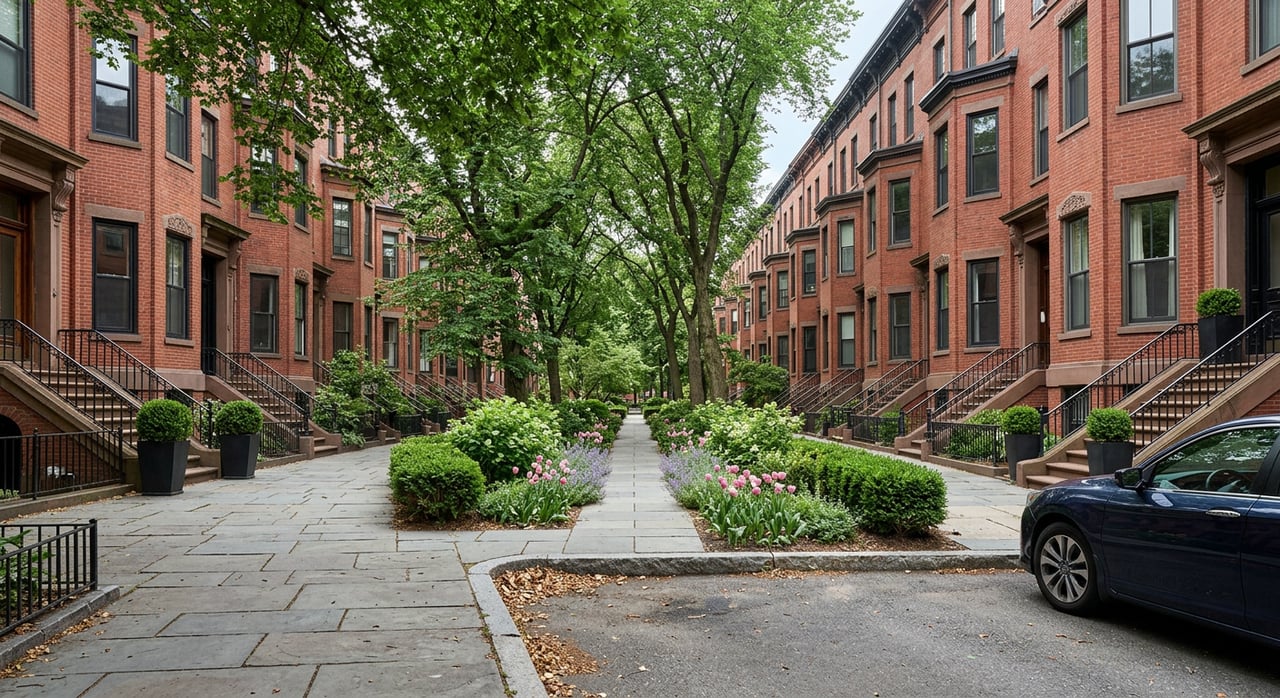
Beacon Hill is one of Boston’s most recognizable neighborhoods and a protected historic district centered around the Massachusetts State House, Boston Common, and the hill’s older street pattern. According to the City of Boston neighborhood overview, the area covers roughly one square mile and is defined by narrow streets, brick sidewalks, and gas lamps that give it a strong sense of place.
That identity is also cultural and historical. The Black Heritage Trail runs 1.6 miles through Beacon Hill and connects 14 sites linked to Boston’s free Black community. The National Park Service also identifies the African Meeting House as the oldest surviving Black church structure in the nation.
For you as a buyer, this means Beacon Hill offers more than visual charm. It is a neighborhood where preservation, public history, and everyday urban life are closely connected.
Beacon Hill architecture at a glance
Federal and Greek Revival roots
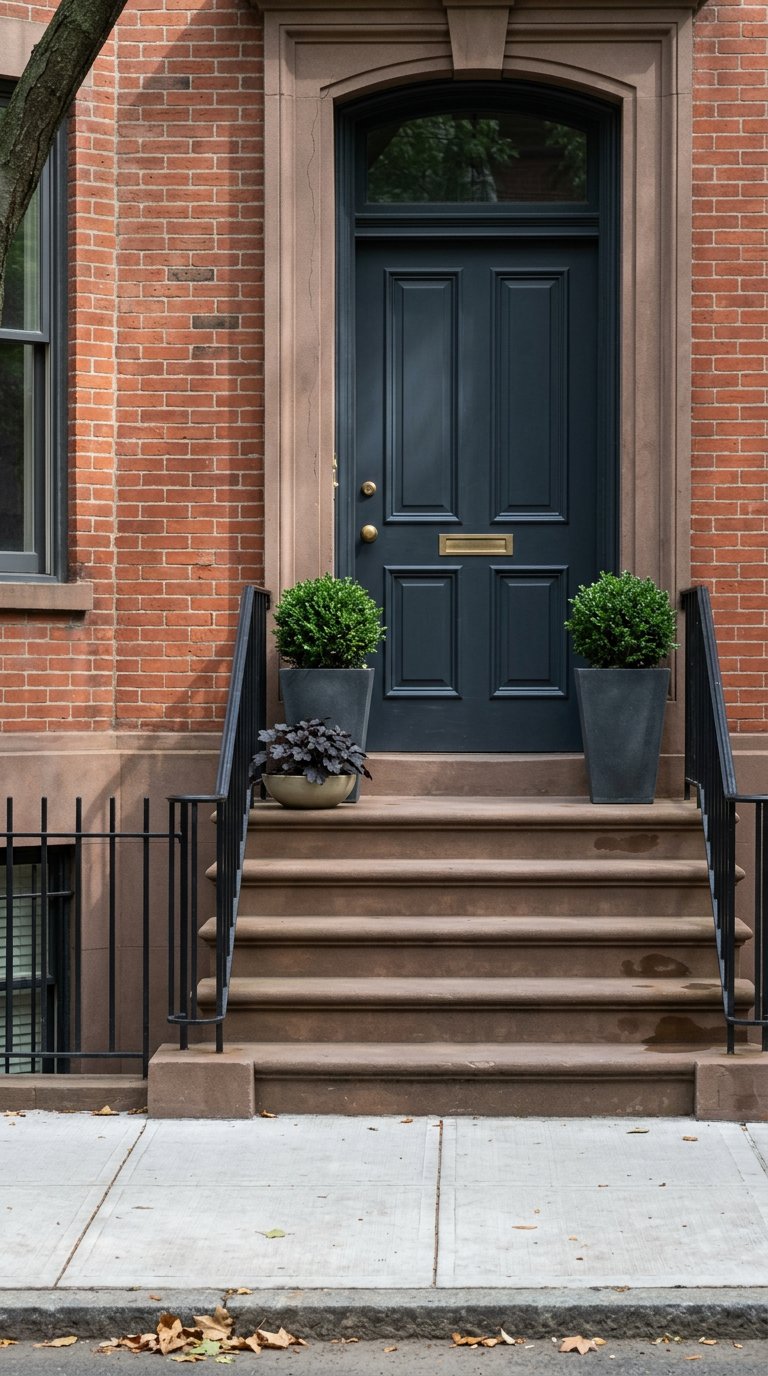
Beacon Hill’s architecture is closely tied to early 19th-century Boston development. The National Register documentation describes a landscape of three- and four-story brick row houses set close to the sidewalk, much of it laid out in the 1790s and early 1800s.
That pattern still shapes what buyers see today. Much of the neighborhood is defined by brick townhouses with narrow footprints, vertical layouts, and street-facing facades that create a cohesive historic streetscape.
More variety than many buyers expect
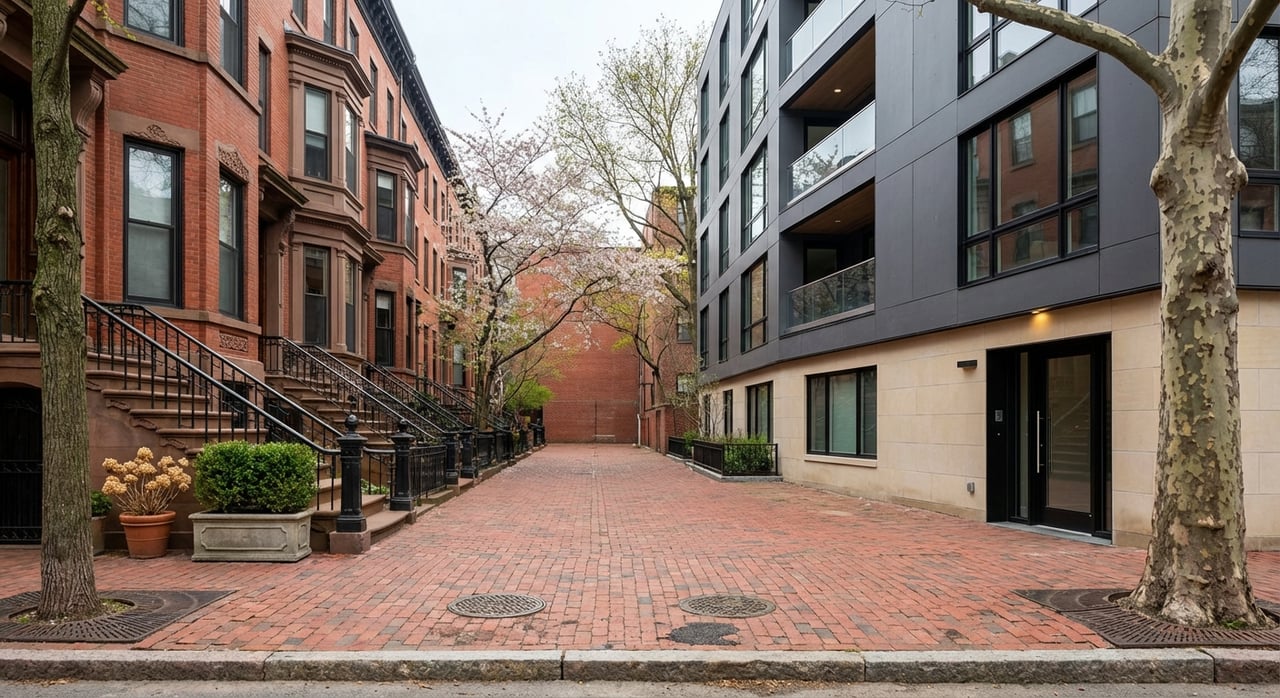
While Beacon Hill is best known for row houses, the housing stock is not limited to classic single-family homes. Boston notes that the district also includes apartment buildings and adaptive reuse of former stables and carriage houses, which creates a broader mix of ownership options.
That variety matters if you are comparing lifestyle and maintenance needs. Some buyers want the architectural feel of Beacon Hill with a more streamlined condo setup, while others are specifically looking for a historic townhouse with scale and privacy.
How Beacon Hill homes typically live
Expect vertical layouts
One of the most important things to understand about Beacon Hill housing is how these homes are arranged inside. According to the district documentation on historic rowhouse layouts, a common plan placed the kitchen in the basement, formal living and dining spaces on the first floor, and bedrooms above.
That stacked layout still influences many homes today, even after renovation. In practical terms, you may trade wide-open floor plans for a more layered and compartmentalized living experience.
Renovation often means adaptation, not reinvention
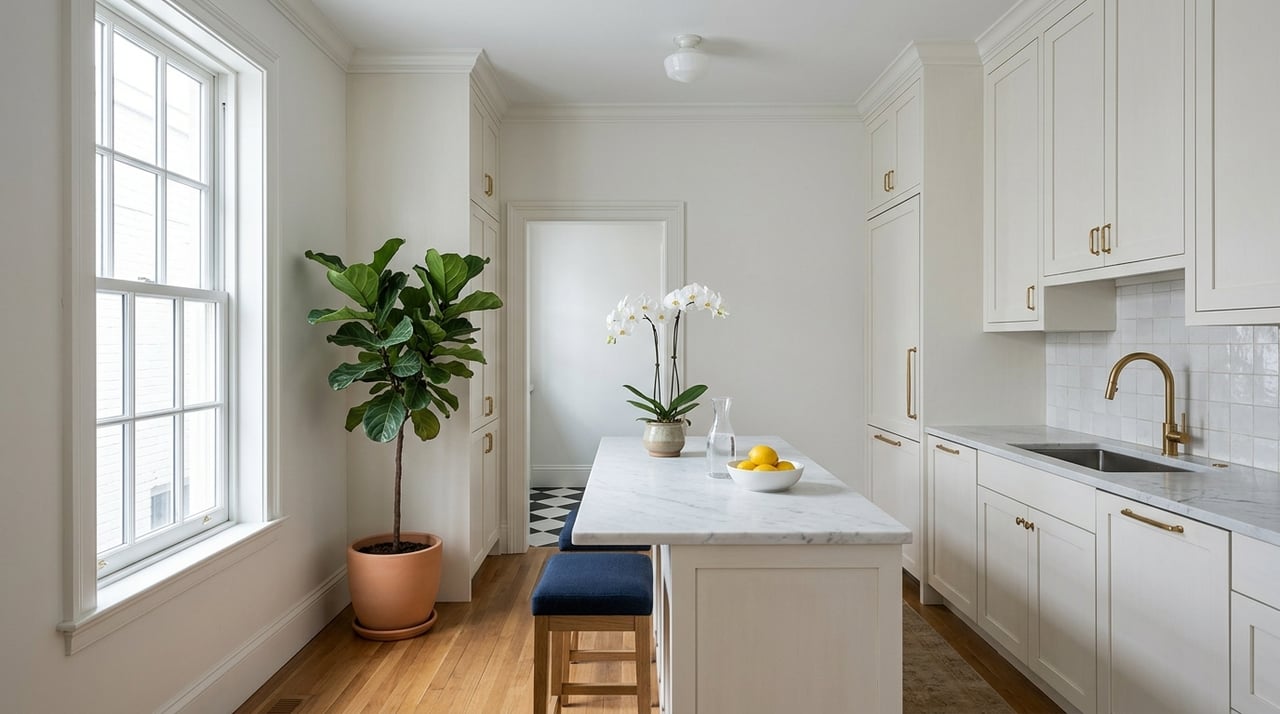
In Beacon Hill, modern updates often work within the original structure instead of replacing it. Examples documented by Hacin show renovations that relocate kitchens to the parlor or garden level, improve circulation, and in some cases add elevators, while preserving the home’s historic shell and street presence.
That is often the sweet spot for buyers. You can find homes that feel more current in their daily function while still retaining the scale, proportions, and exterior character that make Beacon Hill special.
What daily life feels like
Charles Street anchors the neighborhood
Beacon Hill’s daily routine is shaped in large part by Charles Street. The City of Boston describes it as the neighborhood’s main retail corridor, lined with antique shops, local restaurants, and other businesses, while many side streets remain more residential.
For buyers, that means you can enjoy a walkable routine without losing the quieter feel of the neighborhood’s interior blocks. It is one of the reasons Beacon Hill continues to appeal to those who want both city access and a strong residential identity.
Historic charm comes with practical friction
The same features that make Beacon Hill beautiful can also make it less effortless than newer neighborhoods. The National Park Service notes that visitors should watch for narrow sidewalks, cobblestones, and uneven surfaces in the area, as outlined in its Beacon Hill safety guidance.
For you, that can affect everyday logistics. Move-ins, deliveries, stroller use, and routine hauling may feel more cumbersome here than in a newer building with wider sidewalks, elevators, and loading access.
Access to open space is a major advantage
Beacon Hill offers rare proximity to some of Boston’s most valuable open space. The Charles River Reservation includes space for biking, rowing, sailing, picnicking, and winter skating, and the district’s review area also includes views connected to Boston Common, the Public Garden, the Esplanade, Storrow Drive, and the Longfellow Bridge.
That access can shape how the neighborhood lives day to day. Even though Beacon Hill is dense and compact, you are close to major civic and waterfront open space that expands your sense of room and recreation.
Neighborhood traditions add to the lifestyle
Beacon Hill has a lived-in quality that goes beyond architecture. One example is Boston’s annual Hidden Gardens of Beacon Hill tour, which celebrates urban gardening and opens private gardens to visitors along with local shops, restaurants, and museums.
Events like this reinforce the neighborhood’s identity as a place with longstanding traditions and active stewardship. If you value places with a strong sense of continuity, Beacon Hill stands apart.
What buyers should consider before purchasing
Exterior changes face historic review
If you are thinking ahead to improvements, historic oversight is essential to understand. The City of Boston states that exterior work visible from a public way is subject to review by the Beacon Hill Architectural Commission.
That process helps preserve the neighborhood’s appearance, which supports long-term character and consistency. At the same time, it can add an extra layer of planning, timing, and approval if you want to change windows, doors, railings, exterior lighting, or other visible elements.
Parking requires a strategy
Parking is another important quality-of-life issue in Beacon Hill. Boston’s resident parking permit system applies on restricted streets, and the city also lists Beacon Hill among neighborhoods with snow-emergency parking options at nearby garages, including Boston Common Garage.
If you own a car, it is worth understanding your likely parking routine before you buy. For some buyers, easy walkability offsets the challenge. For others, parking access becomes a key part of the property search.
Is Beacon Hill the right fit for you?
Beacon Hill offers a very specific kind of urban living. You get beautiful historic facades, highly walkable blocks, and a neighborhood identity that has been preserved over generations. You also need to be comfortable with stairs, compact floor plates, and the realities of living within a historic streetscape.
If that mix appeals to you, Beacon Hill can be one of Boston’s most rewarding places to own property. The key is buying with a clear understanding of how the architecture, block pattern, and preservation rules affect everyday life.
If you are considering a purchase in Beacon Hill and want a more tailored perspective on streets, building types, and private opportunities, The Robinette Team offers discreet, high-touch guidance rooted in deep Boston neighborhood expertise.
FAQs
What is the overall lifestyle like for Beacon Hill buyers?
- Beacon Hill offers a historic, highly walkable Boston lifestyle shaped by narrow streets, brick sidewalks, Charles Street shopping, and close access to Boston Common and the Charles River Reservation.
What kind of architecture should Beacon Hill home buyers expect?
- Buyers will commonly see Federal and Greek Revival brick row houses, along with apartment buildings and adapted carriage-house or stable properties within the historic district.
How are many Beacon Hill homes laid out inside?
- Many historic Beacon Hill homes use vertical floor plans with living spaces stacked across multiple levels, often with kitchens historically placed lower in the house and bedrooms above.
What should Beacon Hill buyers know about renovations?
- Buyers should know that exterior work visible from a public way is subject to review by the Beacon Hill Architectural Commission, so renovation planning often requires added approval and coordination.
What are the parking considerations for Beacon Hill homeowners?
- Beacon Hill parking often involves resident permit rules on restricted streets, and snow-emergency parking may require use of nearby garages such as Boston Common Garage.
Why do Beacon Hill buyers need to think about daily logistics?
- The neighborhood’s narrow sidewalks, cobblestones, uneven surfaces, and vertically arranged homes can make move-ins, deliveries, and day-to-day navigation less convenient than in newer areas of Boston.