Torn between a polished condo and a classic brownstone in Boston’s South End? You are not alone. Both options offer serious appeal, from low‑maintenance living with amenities to historic architecture with privacy and charm. In this guide, you will learn how each choice affects your lifestyle, budget, maintenance, financing, and long‑term value so you can buy with confidence. Let’s dive in.
South End snapshot
The South End is a Boston Landmark District, which means exterior changes often require review and approval, especially front facades and visible rooftops. You will want to understand how that process works before planning any exterior projects. You can find the district overview and design‑review context on the city’s page for the South End Landmark District.
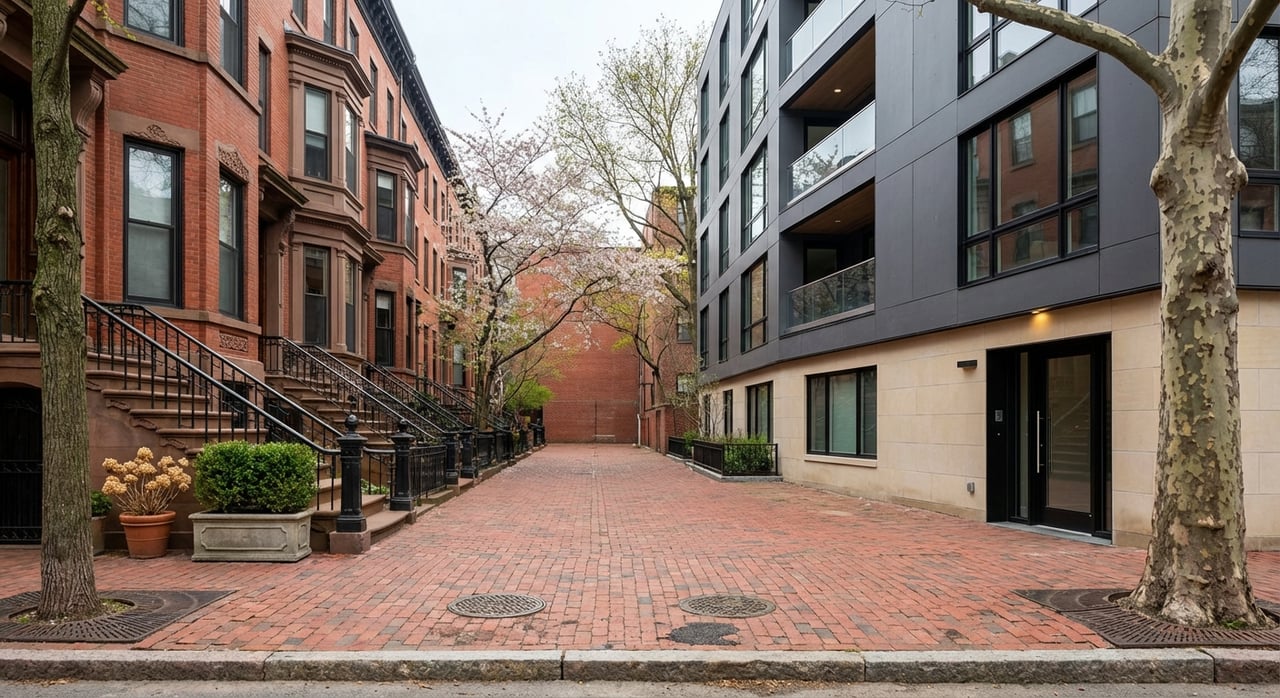
In this neighborhood, “brownstone” describes the 19th‑century rowhouse style, not a single legal form of ownership. A brownstone can be a single‑family townhouse, a multi‑family building, or a condo conversion. The legal structure drives financing, insurance, maintenance duties, and resale dynamics.
Ownership and governance
Condos: rules and reserves
Massachusetts condominiums are governed by the master deed, bylaws, and Chapter 183A. Before you commit, review the governing documents, recent budgets, reserve balance, meeting minutes, and any pending projects or litigation. The state outlines condo basics and owner obligations on its condominium guidance page.
Associations must maintain an adequate replacement reserve fund for common elements. Healthy reserves lower the chance of special assessments, while low reserves can mean higher risk. Ask for the reserve schedule and the latest financials. For context on reserve expectations and accounting, see this overview of Massachusetts reserve study practices.
Brownstones: autonomy and responsibility
If you buy a single‑family brownstone, you control everything but you also own every system, from roof to foundation. If it is a multi‑family, you add landlord obligations and different financing products. If it has been converted to condo units, the condo rules apply. Exterior work on any South End property remains subject to the Landmarks Commission’s review framework, which can affect scope, materials, and timelines.
Financing differences
Condos: project approvals matter
Condo financing reviews the borrower and the building. Lenders use project standards and tools such as Fannie Mae’s Condo Project Manager to gauge eligibility. High investor ratios, limited reserves, or unclear documentation can slow approvals or change terms. If you plan to use conventional, FHA, or VA financing, ask early whether the building can be certified or is already on an approved list. Learn more about the project review process via Fannie Mae’s Condo Project Manager.
Brownstones: single‑family or 2–4 units
Townhouses and small multi‑families are typically financed like single‑family or 2–4 unit homes. Underwriting focuses on your credit and income, plus the property’s condition and rental income if applicable. Your strategy will differ if you plan to live in one unit and rent others.
Maintenance and operating costs
Condos: what your fee buys
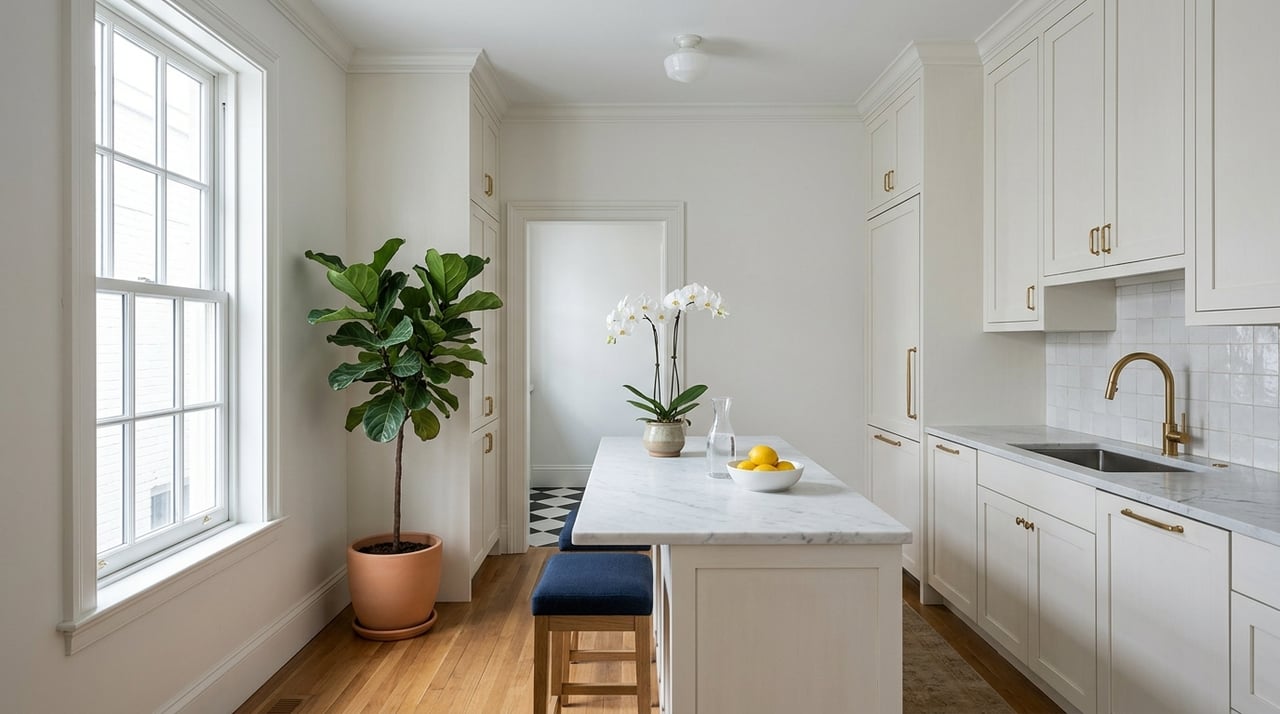
Monthly HOA fees usually cover common‑area upkeep, building insurance, snow removal, exterior maintenance, and reserves. Some buildings include heat, hot water, or concierge services, which can raise dues. Review line items so you know exactly what is covered, and ask about recent or planned special assessments. Reserve strength and cost coverage vary by building.
Brownstones: historic fabric, higher care
Rowhouses often require masonry repointing, roof and cornice repairs, window restoration, and careful moisture control. These are common issues for historic masonry buildings and can be costly when done to preservation standards. For a technical overview of frequent maintenance needs, see the National Park Service notes on common brick masonry problems. In the South End, exterior work may also trigger design review through the Landmarks Commission.
Insurance: different policies
Condo owners typically carry an HO‑6 policy for interior elements, contents, and liability, while the association’s master policy covers the exterior and common areas. Single‑family brownstone owners carry full homeowners coverage that insures the entire structure and contents. HO‑6 premiums are often lower than whole‑house policies, but confirm master‑policy limits and deductibles, and ask about loss‑assessment coverage. For a simple primer on condo insurance scope and costs, review this overview of HO‑6 policies.
Lifestyle and daily living
Privacy and outdoor space
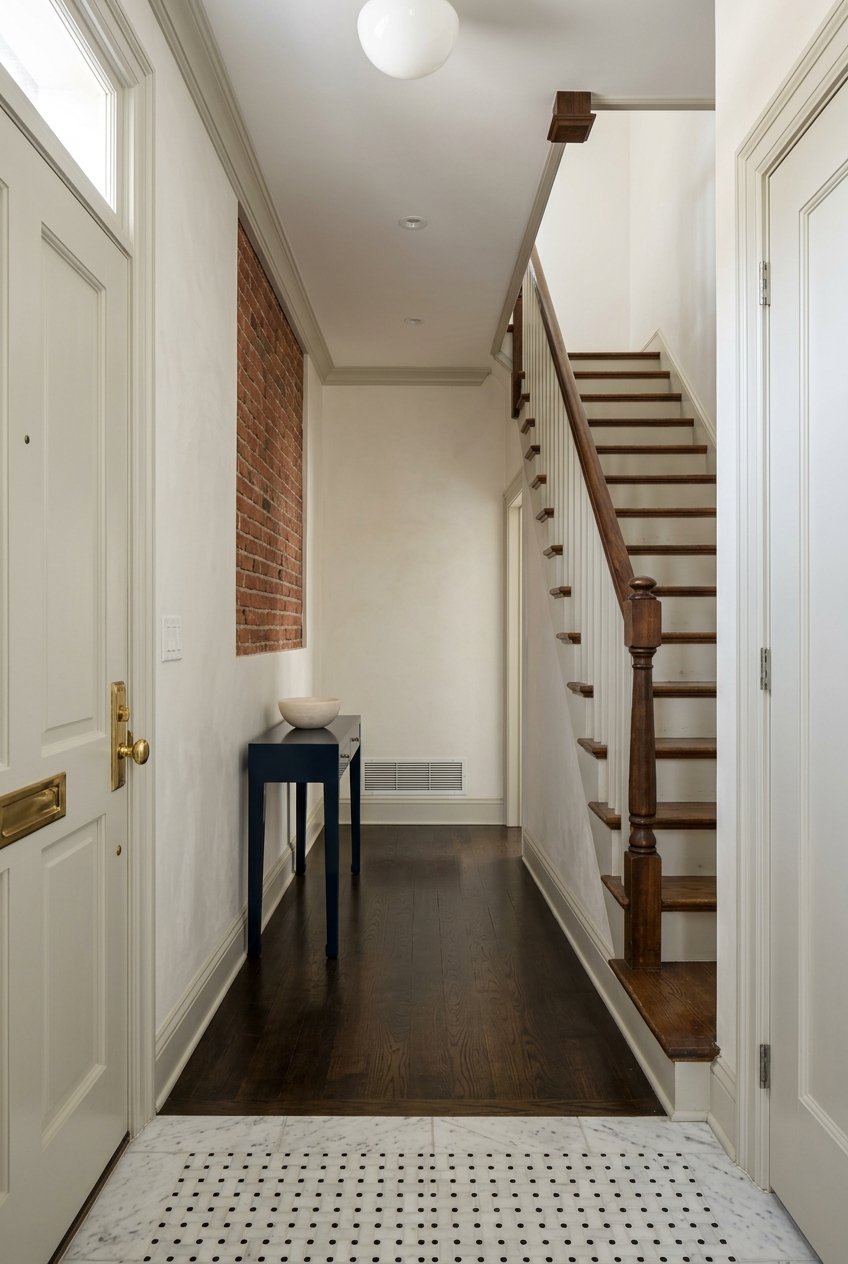
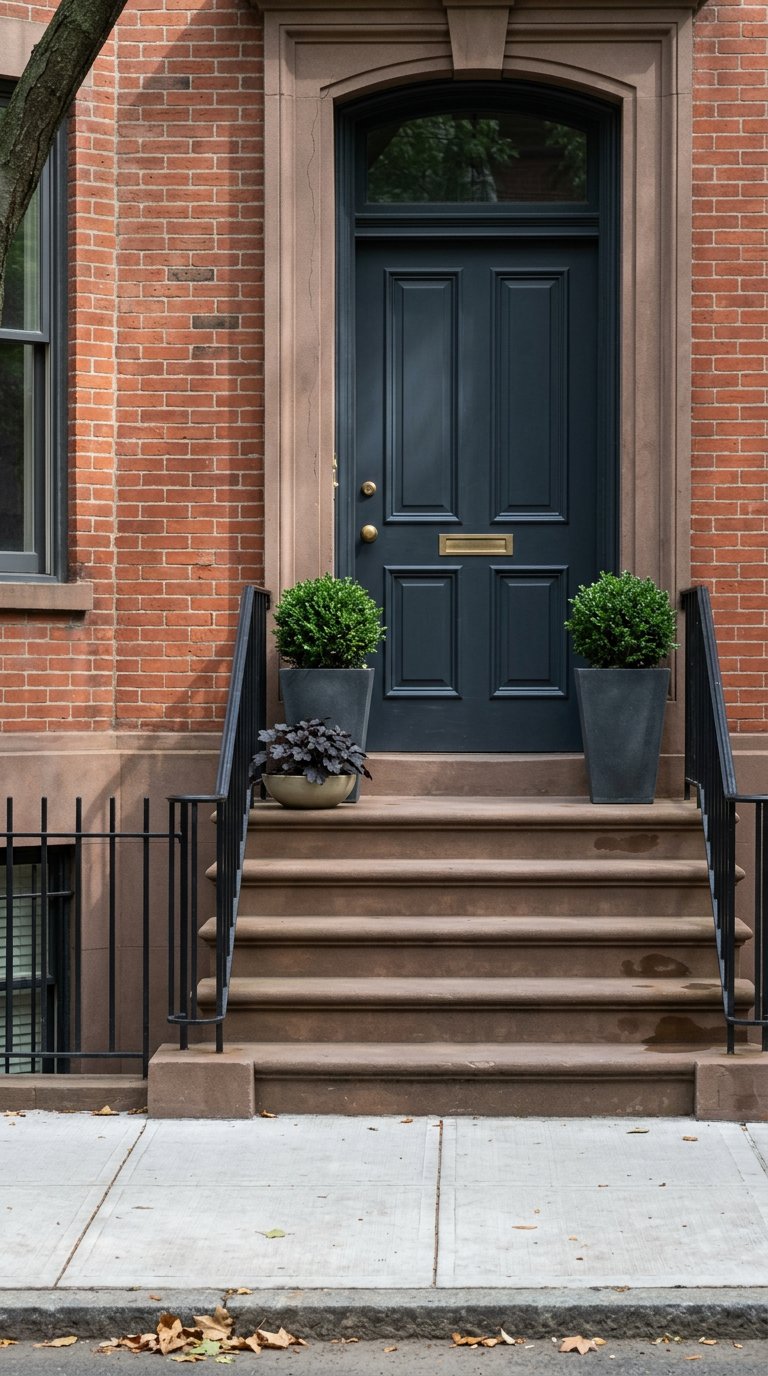
Brownstones often provide private entrances, multiple levels, and potential outdoor areas like a garden or roof deck. They also put you in charge of all upkeep and any exterior approvals. Condos trade some privacy for convenience, shared services, and professional management.
Amenities and services
Full‑service condo buildings can offer concierge, fitness centers, package rooms, and on‑site management. Most brownstones will not provide these services unless they are part of a condo association or a managed multi‑unit.
Stairs and accessibility
South End brownstones usually have several flights of stairs. Many condo options offer single‑level living or elevator access, which can be important for long‑term comfort. Retrofits in historic buildings can be more complex due to preservation standards, so factor that into any aging‑in‑place plan.
Parking and mobility
On‑street parking in the South End is limited, even with a resident permit, and private garages or leased spaces can be expensive. Treat parking as a real line item in your budget and confirm what is included with a specific property. Local reporting highlights how parking scarcity affects central Boston neighborhoods.
Resale, rental, and incentives
Resale patterns
Low inventory and strong demand support values in the South End. Well‑located condos often sell quickly, while unique brownstones can command premiums with a narrower buyer pool. Timing and pricing still come down to street, layout, condition, and parking, so lean on current, property‑specific comparables.
Rental flexibility
Multi‑family brownstones offer straightforward rental potential. Single‑family brownstones allow whole‑house rental if you choose to lease your home. Condo associations can limit leasing through bylaws and rules. If rental flexibility is important, review the master deed and bylaws early. The state’s condominium guidance outlines how associations set and enforce rules.
Historic tax credits
If you plan an income‑producing project, you may be able to use federal and state historic rehabilitation tax credits when work meets preservation standards and program rules. Owner‑occupied private residences typically do not qualify. Start by reviewing the federal program basics for the Historic Rehabilitation Tax Credit, then confirm current Massachusetts program details and deadlines.
Quick decision guide
- Choose a condo if you want lower day‑to‑day maintenance, included building insurance, and access to amenities. Review reserves, dues coverage, and any rental limits.
- Choose a brownstone if you want privacy, a private entrance, and potential outdoor space, and you are comfortable managing historic‑building maintenance and approvals.
- Consider financing early. Condo project approvals can shape your loan options, while 2–4 unit brownstones may benefit from rental income.
- Factor in parking. A deeded or leased spot can materially change total monthly costs.
Due diligence checklist
If you are buying a condo
- Review the master deed, bylaws, rules, and the last 12–24 months of meeting minutes.
- Confirm the annual budget, reserve balance, and any planned special assessments. For context on reserves, see Massachusetts reserve study guidance.
- Ask for the master insurance policy, coverage type, and deductibles.
- Verify parking details and whether any spaces are deeded or leased.
- If using conventional, FHA, or VA financing, ask your lender about the project’s approval path and see Condo Project Manager.
- Request the standard condo resale questionnaire and disclosures. The state details common condo due‑diligence items in its consumer guidance.
If you are buying a brownstone
- Order a comprehensive inspection of roof, masonry, windows, mechanicals, drainage, and electrical capacity. Use a historic‑building‑savvy inspector.
- Ask for renovation history and whether required landmark approvals were obtained. Review the South End district framework on the Landmarks Commission page.
- Confirm property‑tax classification and recent tax bills, and evaluate any residential exemptions that could affect annual carrying costs.
- If multi‑family, review rental history and compliance with local regulations.
- Evaluate parking as a separate cost center if no deeded space is included.
The bottom line
Both choices can be excellent in the South End. Condos offer simplicity, services, and predictable upkeep shared across owners. Brownstones deliver privacy, architectural character, and control, with added maintenance responsibility and exterior review. The right fit comes down to how you want to live, what you want to manage, and how you plan to finance and hold the property.
If you would like a confidential, property‑specific comparison with current comps and off‑market options, reach out to The Robinette Team. We pair neighborhood expertise with a discreet, high‑touch process so you can move forward with clarity.
FAQs
What is a “brownstone” in the South End?
- In Boston, “brownstone” describes a 19th‑century rowhouse; it can be a single‑family, a multi‑family, or a condo conversion, and the legal form drives rules and costs.
How do South End condo fees typically work?
- Monthly dues fund exterior upkeep, common‑area costs, building insurance, and reserves, with coverage and amounts varying by building and services.
Do condo buildings limit rentals in Boston?
- Many associations set leasing rules or caps in their bylaws, so review the master deed and rules early to confirm what is allowed.
Are historic tax credits available for owner‑occupied brownstones?
- Federal and state credits generally apply to certified rehabilitation of income‑producing properties, not owner‑occupied single‑family homes.
How does parking affect my South End budget?
- On‑street spaces are limited, and private spots can be costly, so confirm if a deeded or leased space is included and budget accordingly.