Thinking about listing your Back Bay home in the next year? You are selling in one of Boston’s most design-conscious neighborhoods, where buyers notice every detail and first impressions set the tone for offers. With a smart plan, you can highlight historic charm, meet luxury expectations, and hit the market with confidence. This guide walks you through what to prioritize, how to navigate the historic district, and the media that helps your home stand out to serious buyers. Let’s dive in.
Back Bay market: what it means for you
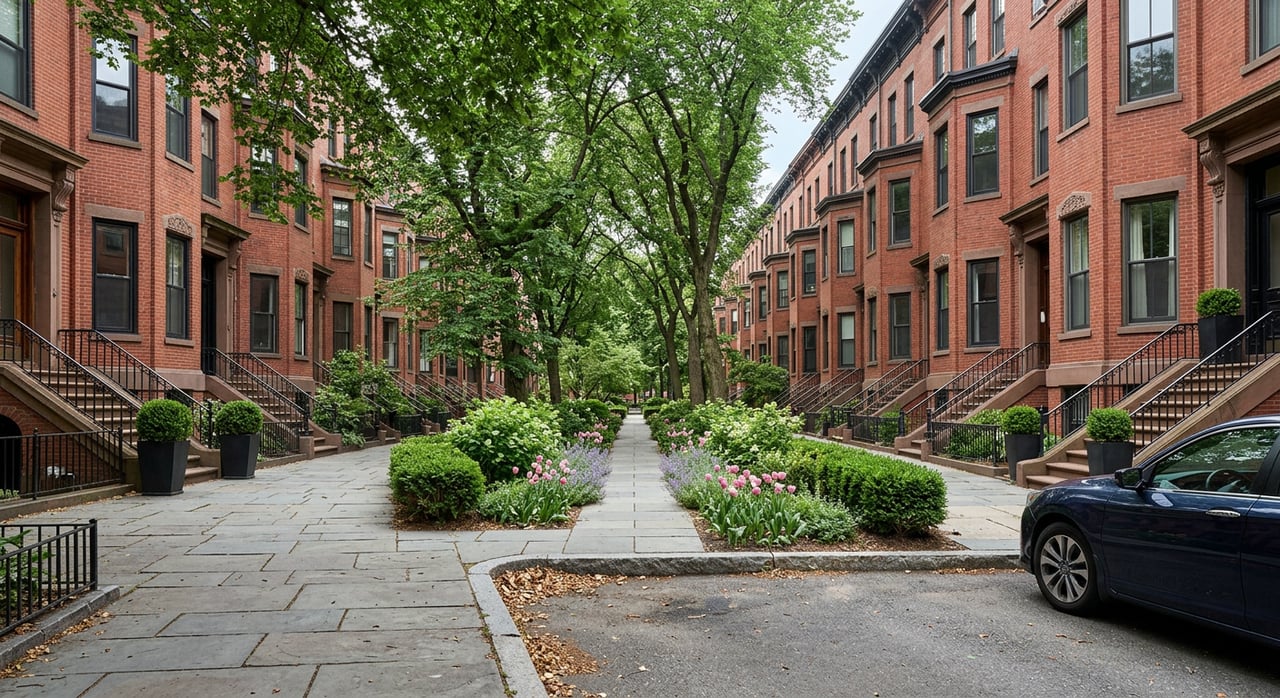
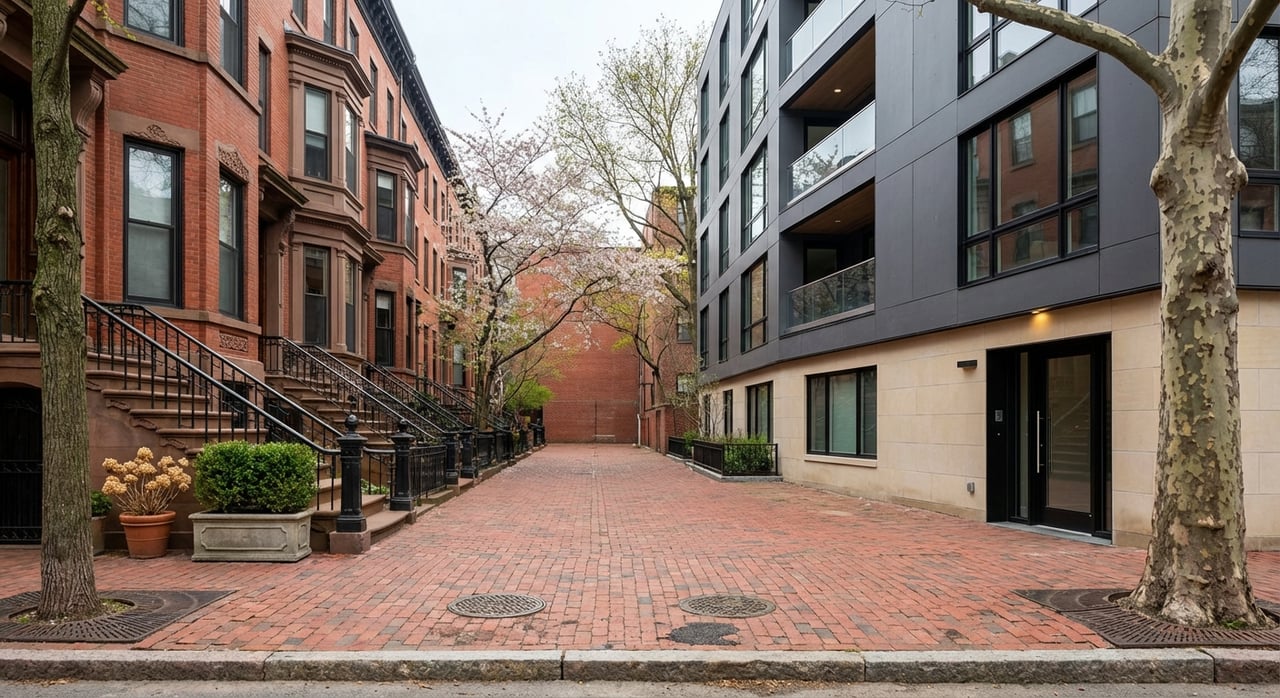
Back Bay blends 19th-century brownstones with high-end condo conversions and luxury towers. Buyers value walkability and proximity to the Esplanade, Commonwealth Avenue, and Copley, plus building services and, when available, deeded or garage parking. The area’s architectural consistency and neighborhood appeal are part of the draw, which is why presentation matters so much for resale. For a quick primer on the district’s architectural pedigree, see this neighborhood overview from Boston media coverage of the architectural district’s history and features (Back Bay architectural context).
Recent pricing snapshots vary by source and month. As of February 2026, Redfin reported a Back Bay median sale price near 1.2 million dollars. Zillow’s neighborhood page showed an average value in the low 1.3 million range and cited a December 2025 median around 1.37 million dollars. Realtor.com snapshots sometimes show higher median listing prices, roughly 2.37 million dollars in some periods, because luxury inventory skews listing medians. Treat these as a range to frame your strategy rather than a single benchmark.
Market speed also varies by sub-market. Well-prepared condos often move in weeks, while large single-family brownstones can take longer. What does not change is the importance of the first two weeks after launch. Listings with clean documentation, clear parking and storage details, no obvious maintenance issues, and polished media tend to see stronger early demand from qualified buyers.
Plan for the historic district
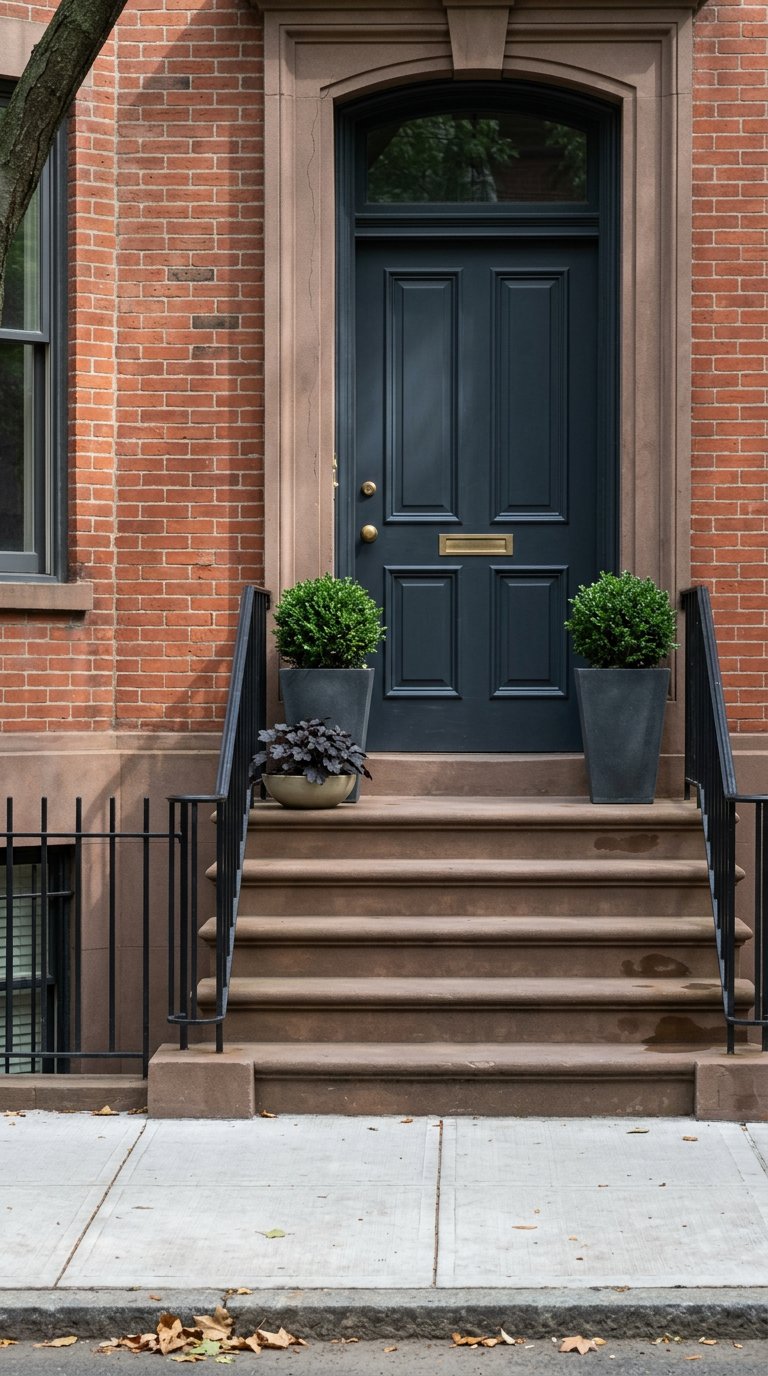
Back Bay is a local historic district. Exterior or public-facing changes such as window work, entry doors, masonry repointing, ironwork, and façade elements typically require design review through the Boston Landmarks Commission staff for the Back Bay Architectural District. The city publishes application steps, hearing schedules, and categories of work that require review (Back Bay Architectural District guidance).
- If you are considering exterior improvements before listing, plan extra lead time. Start early with district staff and factor a multi-week review into your move and listing calendar.
- Interior-only work such as paint, floors, or kitchen and bath cosmetics usually does not require design review. Confirm scope in advance so you do not promise an exterior change in your marketing that still needs approval.
What to fix first
High-impact, low-cost wins
- Declutter, deep clean, and depersonalize. Pack about half of small items, clear counters and closets, and create open surfaces for photos. National agent research highlights these as the top pre-photo steps (NAR Profile of Home Staging).
- Apply fresh, neutral interior paint to harmonize rooms and let period detail pop. Cost-versus-value reports consistently place paint among the best returns for cosmetic work (Cost vs. Value insights).
- Fix obvious maintenance issues. Address small leaks, non-functioning lights, sticky windows, and minor tile or grout repairs so inspectors and buyers do not flag them as negotiation leverage.
Mid-range updates with upside
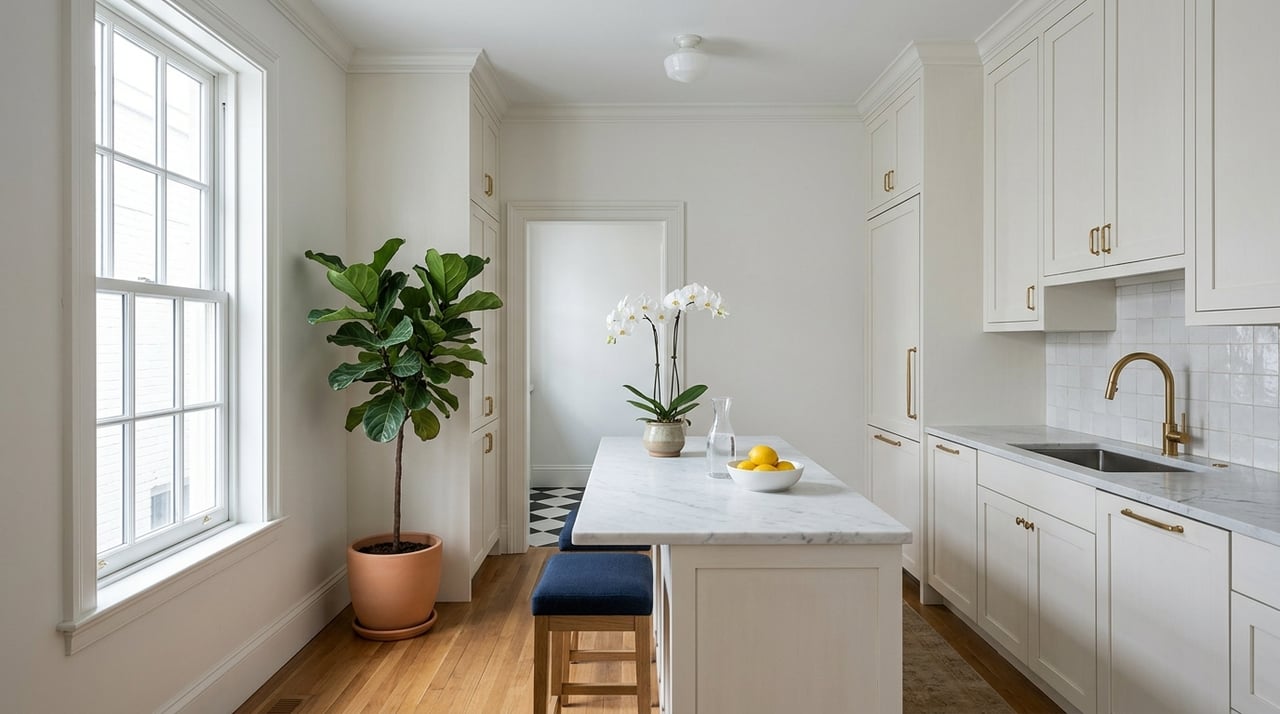
- Minor kitchen refresh. Refinish or reface cabinets, add new hardware, update counters or backsplash at a mid-level price point. National cost-versus-value analyses show minor kitchen updates often recoup a stronger share than full gut remodels (Cost vs. Value insights).
- Bathroom touchups. Replace fixtures and vanity hardware, update lighting, and deep-clean or regrout. These targeted improvements typically deliver good resale support without a lengthy timeline.
Projects to approach carefully
- Full kitchen gut renovations, high-end additions, or bespoke upgrades can be valuable for long-term enjoyment. For resale, they often have a lower percentage ROI and can push your timeline back by months. Align any major project with neighborhood comparables and your move date.
Because Back Bay is both historic and high value, cosmetic work that highlights period architectural features while modernizing kitchens and baths, without large reconfigurations, usually offers the best balance of speed to sale and ROI.
Stage for Back Bay homes
Staging helps buyers visualize how they will live in the space, and many agents report it can shorten time on market and support stronger offers. For higher-end listings, staging before photography is recommended (NAR Profile of Home Staging; industry summary on staging’s impact).
Brownstones: scale, light, and detail
- Use furniture scaled to narrow rooms and tall ceilings. Show traffic flow clearly and define a function for each space.
- Keep sightlines open to original millwork, fireplaces, and cornices. Avoid oversized rugs or furnishings that cover period details.
- Maximize natural light with light window treatments and strategic mirrors. Make the fireplace, bay window, or a restored mantel the focal point.
Luxury condos: views and easy living
- Edit relentlessly. Showcase views, balcony or deck access, and flexible living arrangements such as a work-from-home nook.
- Keep accessories minimal and high quality. A neutral palette with a few refined accents photographs best in modern towers.
Photography, 3D tours, and video
- Stage first, then shoot. Hire a photographer experienced in high-end interiors and Boston’s variable light. Consider a twilight exterior if skyline or building lighting is a selling point.
- Include an accurate floor plan. In your first lines of copy, call out elevator access, parking, and storage.
- Add a 3D tour for multi-level brownstones or luxury listings that attract out-of-town buyers. Short, professionally lit video walkthroughs under two minutes perform well for social distribution.
Smart marketing extras: aerials done right
Well-executed aerials can elevate a listing by showing proximity to the Esplanade, the Commonwealth Avenue Mall, or skyline views. If you plan to use drones, work with a Part 107-certified operator who complies with FAA Remote ID and secures any necessary airspace authorization (FAA Remote ID guidance). Massachusetts also restricts drone takeoffs and landings on certain state parklands and some Boston park areas without permits. Plan flights from private property or use providers who can secure permissions (Massachusetts drone law overview).
Legal basics for Massachusetts sellers
Massachusetts does not require a universal seller property condition form in every transaction, but you must follow lead paint notification rules for homes built before 1978 and avoid misrepresentation of known material defects under state consumer protection laws. Your agent must comply with agency disclosure and lead paint rules (Massachusetts seller and agency guidance).
There has been legislative activity aimed at reinforcing buyers’ rights to a licensed home inspection within a set window after offer acceptance. Review the current status of Bill S.2474 and speak with your attorney and agent about how today’s rules affect your contract strategy (Bill S.2474 text).
Your 6 to 12 month timeline
- Months 0 to 1: Interview a Back Bay specialist. Gather condo or co-op documents, parking and storage details, and any records of system updates or assessments. Ask for a prioritized prep list and introductions to a stager, photographer, and reliable handyman.
- Months 1 to 3: Complete high-ROI cosmetics. Paint, refinish floors, and refresh kitchens and baths as needed. If any exterior work is contemplated, begin the design-review process with the Architectural District staff now to avoid delays (Back Bay Architectural District guidance).
- Months 3 to 4: Stage, then schedule professional photography, a floor plan, and a 3D tour. Finalize your pricing strategy and focal points for marketing copy.
- Listing window: Many strategies in Boston aim for late winter through spring, roughly February to April, to capture broader buyer activity. Well-presented luxury listings can perform outside that window when pricing and presentation are precise.
Budget checklist
- Declutter and short-term storage: 150 to 800 dollars depending on unit size and labor.
- Staging: ranges from a few hundred dollars for light, agent-guided staging to 1,000 to 5,000 dollars for professional packages on most condos. Full-home luxury staging can be higher (industry summary on staging spend and results).
- Media: professional photography with retouching typically 300 to 1,200 dollars. A 3D tour often runs 200 to 600 dollars. A Part 107 drone operator can be 300 to 1,000 dollars depending on complexity and permissions (FAA Remote ID guidance).
How we help your sale stand out
When you sell in Back Bay, every detail counts. You want a listing that honors historic character, speaks to luxury buyers, and reaches the right audience on day one. Our approach pairs boutique, high-touch service with the global marketing reach of the Sotheby’s platform. We focus on:
- Curated presentation. Professional staging, photography, videography, and polished listing copy tailored to your home.
- Premium exposure. Strategic distribution across Gibson Sotheby’s marketing channels and buyer networks that attract qualified attention.
- Discreet options. Private or off-market pathways when timing, privacy, or tenant occupancy call for a quieter approach.
- White-glove management. Clear timelines, trusted vendors, and hands-on oversight from prep through close.
If you are considering a sale in the next 6 to 12 months, request a confidential consultation with The Robinette Team. We will tailor a step-by-step plan around your goals, timeline, and property.
FAQs
What are the most cost-effective prep steps for a Back Bay condo?
- Start with decluttering, deep cleaning, and fresh neutral paint. Fix obvious maintenance issues, then consider a minor kitchen or bath refresh for added appeal.
Do I need approval to paint or repair my Back Bay exterior?
- Exterior and public-facing changes in the Back Bay Architectural District often require design review. Plan extra lead time and consult the city’s guidance before starting.
Should I stage a historic brownstone if it already has great detail?
- Yes. Staging scaled to room sizes and ceiling heights showcases period features instead of competing with them. It helps buyers visualize layout and flow.
Are 3D tours worth it for Back Bay listings?
- For multi-level homes and upper-tier condos with out-of-town interest, 3D tours can reduce unqualified showings and help serious buyers commit faster.
Can I use a drone for listing photos near the Esplanade?
- Possibly, with the right approvals. Hire a Part 107-certified operator who follows FAA rules and plans flights from permitted locations, not restricted parkland.
What should I disclose when selling in Massachusetts?
- Follow lead paint notifications for pre-1978 homes and disclose known material defects. Your agent will help you comply with state disclosure and agency rules.