If you love Back Bay but are torn between river blocks and the Commonwealth Avenue Mall’s garden blocks, you are not alone. Both settings are iconic, but the day-to-day feel is very different. In a few minutes, you will see how light, noise, access, parking, and climate factors vary by block so you can match a home’s micro-location to your lifestyle. Let’s dive in.
Back Bay at a glance
Back Bay is a planned, historic neighborhood shaped by grand green corridors and a tight, elegant street grid. The area grew on filled marshland in the 1800s, which still influences elevation, drainage, and preservation today. You will see Victorian row houses, formal boulevards, and riverfront parks that give each block its own rhythm. Learn more about the area’s planning and context through the city’s overview of Back Bay.
Historic-district protections also guide exterior changes on many buildings. Expect review for visible façade work, windows, and certain mechanicals in the Back Bay Architectural District and nearby conservation areas. For a sense of scope, see the city’s Landmarks Commission.
Two green axes define how blocks feel: the Charles River Esplanade along the north edge and the Commonwealth Avenue Mall through the center. That split is the root of the river-versus-garden decision. The Commonwealth Avenue Mall is a stately, tree-lined spine, while the Esplanade is open, active waterfront parkland.
River blocks: lifestyle and tradeoffs
Daily life on the Esplanade
If you want the river as your daily backyard, the Esplanade delivers. You have direct access to running and biking paths, lawns, playgrounds, boathouses, and seasonal programming. The park is lively with fitness classes, concerts at the Hatch Shell, and riverfront activities curated by the DCR and partners like the Esplanade Association.
Reaching the park means crossing Storrow Drive via pedestrian bridges such as Dartmouth, Fairfield, and others. The parkway sits between the neighborhood and the river, which creates long, open views but also adds a transportation corridor to the experience. For background, see Storrow Drive.
Noise and event patterns
River blocks can be spirited during major events. The Hatch Memorial Shell hosts large concerts, including July 4 programming, which can be audible in nearby blocks and draw significant crowds. Bridge access points concentrate foot traffic before and after events. If you are noise-sensitive, visit during a summer evening concert to gauge the true feel.
Light, views, and privacy
Upper floors facing the river often deliver panoramic Charles River and Cambridge skyline views. Balconies and terraces can command a premium. Because the river sits north of Back Bay, direct southern sunlight varies by building and floor, so orientation matters if you prize bright southern exposure. Privacy is typically shaped by floor height and setback from the street.
Flood and climate considerations
Back Bay was built on filled marshland, and parts of the neighborhood sit within longer-term storm and sea-level rise scenarios. The city and BPDA offer mapping and design guidance to evaluate resilience and potential retrofits. Before you buy near the waterfront, review Boston’s guidance on flooding and climate resilience and the BPDA’s Back Bay neighborhood planning page. Ask about past water intrusion, mechanicals location, and any upgrades for resilience.
Garden and Mall blocks: lifestyle and tradeoffs
Street feel and amenities
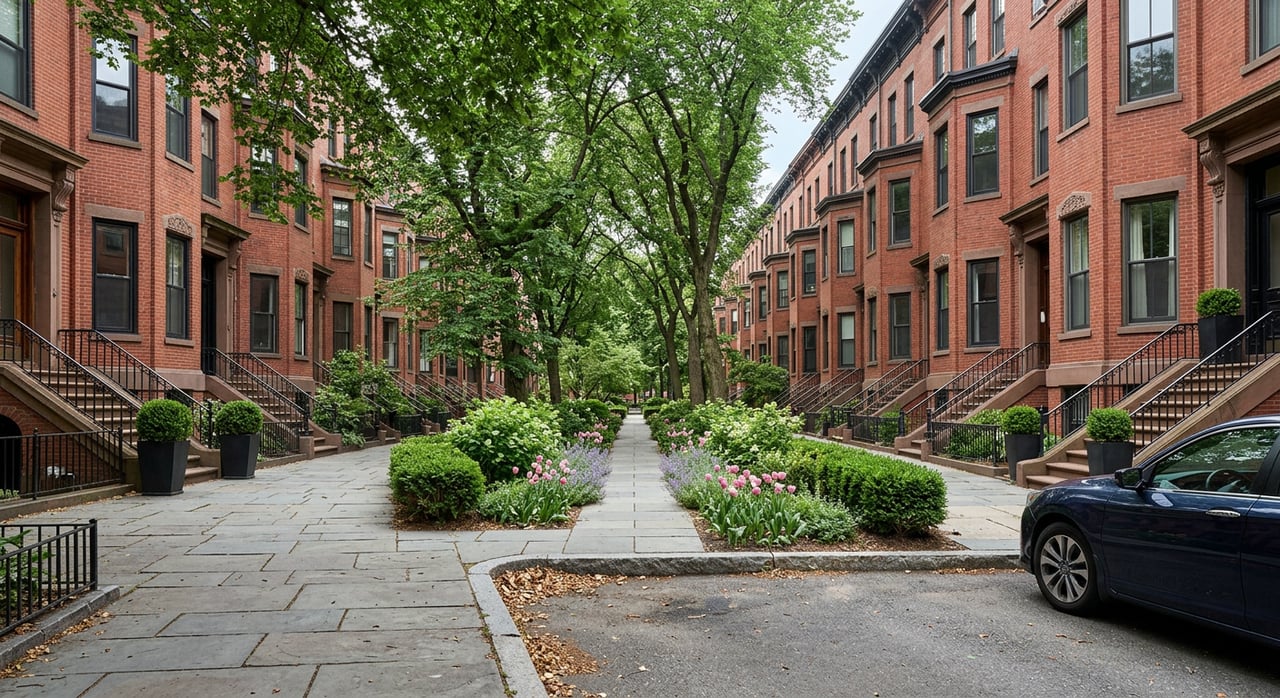
If you prefer a quieter, more residential setting, the Commonwealth Avenue Mall and the adjacent brownstone blocks often fit well. The Mall’s wide, statue-lined median feels formal and sheltered, with steady local activity from neighbors and dog walkers. Streets just off the Mall, like Marlborough and Beacon, lean residential and calm. Explore the Mall’s history and layout via the Commonwealth Avenue Mall overview.
Amenities are close but not on your doorstep. Newbury Street’s boutiques, cafés, and galleries are usually a short walk away, offering year-round retail energy without living on a commercial block. For seasonal programming and the business mix, see the Newbury Street League.
Building types and light
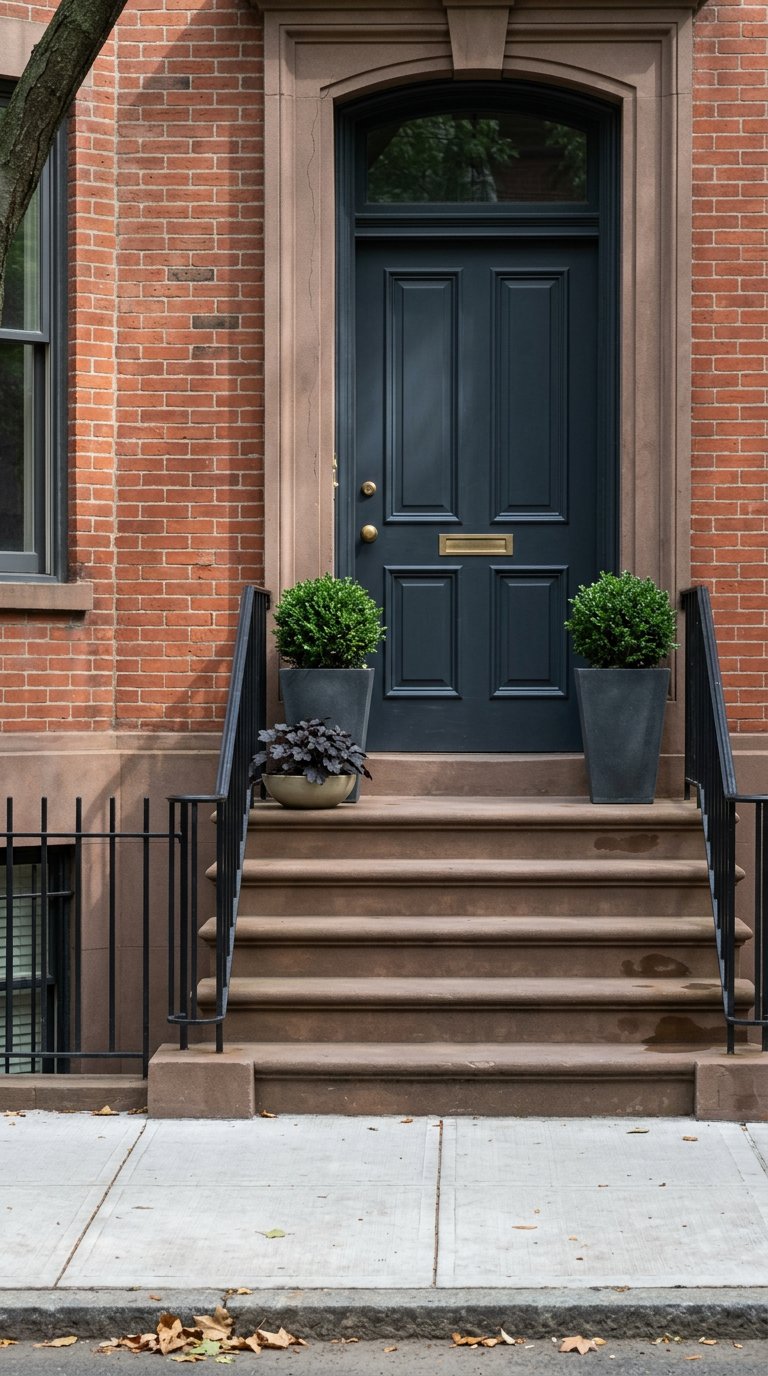
You will find classic brownstones, townhouse residences, and condo conversions with garden-level and upper-floor options. Garden units may offer private outdoor space or direct yard access. Upper levels often enjoy leafy, tree-canopy outlooks. South-facing exposures on interior blocks can see stronger direct sun compared with strictly north-facing river views. Landmark homes like the Crowninshield House highlight the area’s architectural pedigree.
Noise and crowds
Garden and Mall blocks are generally quieter than river blocks during Esplanade concerts. That said, Copley and Boylston can draw crowds during major city events like the Marathon. On typical days, expect steady neighborhood activity rather than festival surges. The city’s Back Bay overview offers helpful context on these urban patterns.
Transit, parking, and errands
Almost every micro-location in Back Bay is well served by transit. The Green Line (Copley and Arlington), surface buses, and Back Bay Station for the Orange Line, commuter rail, and Amtrak keep the neighborhood connected. If commuter rail is a priority, proximity to Dartmouth Street and the station often matters more than river versus garden.
Parking is competitive. Many buildings lack garages and deeded spaces are scarce. If you plan to keep a car, confirm whether a unit includes a space and review the city’s Resident Parking Permit program. Day-to-day, garden blocks are usually a quicker walk to coffee and shops, while river blocks are steps to the Esplanade trails.
Street-by-street notes
- Dartmouth Street to the Esplanade: direct, visible bridge access that is great for runners and cyclists. Track updates via the city’s Dartmouth Street Safety and Mobility Project.
- Fairfield, Clarendon, Berkeley near the river: closest to Esplanade access and the Hatch Shell. Expect vibrant summer activity, including beer gardens and concerts near Clarendon and Berkeley. See programming highlights on the Esplanade Association.
- Commonwealth Avenue Mall frontage: ceremonial boulevard vibe with formal façades and quick access to a central greenway. Learn more about the Commonwealth Avenue Mall.
- Marlborough and Beacon: classic brownstone streets that read intimate and residential, with garden-level homes and leafy outlooks. Architectural standouts include the Crowninshield House.
- Newbury-adjacent blocks: one block off Newbury gains fast access to boutiques and cafés without living above storefronts. Explore the corridor through the Newbury Street League.
- Boylston and Copley edges: more urban energy and event exposure, including Marathon activity. The city’s Back Bay page provides useful context.
Match your priorities to blocks
- Prioritize river access and views: Focus near the bridges at Dartmouth, Fairfield, Clarendon, and neighboring streets for the fastest Esplanade access. Upper floors can balance views with reduced street-level activity.
- Prioritize privacy and garden living: Target Marlborough, Beacon, and Commonwealth Mall blocks for quieter street life, classic brownstones, and garden-level options.
- Prioritize transit convenience: Look near Dartmouth and Back Bay Station for quick Orange Line, commuter rail, and Amtrak connections.
- Prioritize walk-to-shops: Garden blocks typically shorten daily errands to Newbury and Boylston by a few minutes, while river blocks trade a slightly longer walk for immediate park access.
On-the-ground buyer checklist
- Visit at different times: Weekday rush hours, a summer weekend, and an evening when the Hatch Shell is active will reveal real noise and crowd patterns.
- Complete a flood and resilience review: Use city resources on flooding and climate resilience. Ask whether mechanicals have been elevated or flood-proofed and request any documentation of water mitigation.
- Evaluate sound and windows: Note if windows face Storrow Drive or an internal garden. Confirm window age, glazing, and any sound attenuation measures.
- Confirm building details: Ask about deeded parking, storage, elevator capacity, and service entrances. If in a historic district, understand review requirements through the Landmarks Commission.
- Verify transit access: Check walking times to the Green Line, surface buses, and Back Bay Station. Review MBTA service advisories for weekend work that could affect routine travel.
- Review HOA or co-op materials: Request recent meeting minutes, capital plans for roofs and windows, and any insurance claims related to water intrusion or flooding.
Work with a Back Bay specialist
Both river-facing and garden blocks offer an exceptional Boston lifestyle. The best fit comes from aligning your daily routines with the block’s rhythm and understanding how light, noise, access, and resilience show up at a specific address. If you would like a discreet, expert perspective and access to private or off-market options, connect with The Robinette Team. We pair neighborhood-level insight with a refined, concierge process to help you secure the right home at the right address. Request a Private Valuation or start a quiet search tailored to your priorities.
FAQs
What is the biggest daily-life difference between Back Bay river blocks and garden blocks?
- River blocks trade faster Esplanade access and open views for periodic event noise and Storrow Drive proximity, while garden blocks deliver quieter, tree-lined streets and shorter walks to Newbury and Boylston.
How loud are Esplanade events if I live on a river-facing block in Back Bay?
- Large concerts at the Hatch Shell can be audible on nearby streets, especially in summer evenings, with crowd flows at pedestrian bridges peaking before and after events.
Do Back Bay properties near the river face higher flood risk than interior blocks?
- Portions of Back Bay are exposed under future storm and sea-level scenarios; review city resources on flooding and ask sellers or HOAs about resilience upgrades and past water intrusion.
Is parking easier on Commonwealth Avenue Mall or the river side of Back Bay?
- On-street resident parking is competitive across Back Bay, and many buildings lack garages; confirm deeded spaces and review the city’s Resident Parking Permit program before you buy.
Which Back Bay blocks are best if I need quick access to commuter rail and Amtrak?
- Homes near Dartmouth Street and Back Bay Station offer the fastest access to the Orange Line, commuter rail, and Amtrak, regardless of river versus garden location.
How do sunlight and views compare between river-facing units and interior brownstones in Back Bay?
- River-facing upper floors can offer panoramic water and skyline views, while interior blocks often see stronger direct southern sun and leafy tree-canopy outlooks, depending on building orientation.