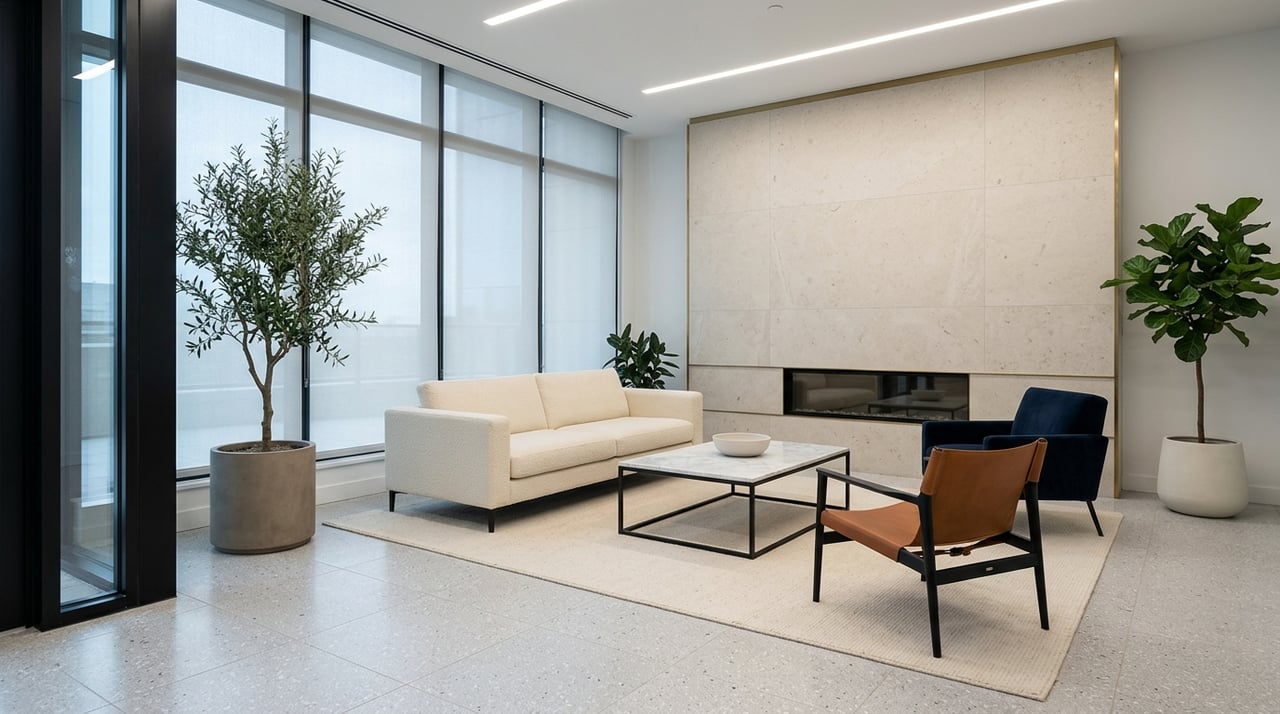
Wondering what luxury condo living in Boston’s Seaport District actually feels like day to day? If you are weighing Seaport against more traditional Boston neighborhoods, you are likely looking for more than a pretty view. You want to know how the buildings live, how the neighborhood moves, and whether the lifestyle matches the price point. This guide walks you through what sets Seaport apart, from modern towers and full-service amenities to waterfront access and commuter convenience. Let’s dive in.
Why Seaport Feels Different
Boston’s South Boston Waterfront, commonly known as the Seaport District, has changed dramatically over the past decade. According to Boston Planning & Development Agency neighborhood data, the area grew 195% in population and 327% in housing units from 2010 to 2020.
That growth helps explain why Seaport feels so distinct from many other Boston neighborhoods. Instead of a historic brownstone setting, you will find a newer waterfront district shaped by contemporary residential towers, mixed-use development, and a strong connection to public spaces, arts, and innovation.
The neighborhood is also defined by its setting. The Harborwalk and South Boston Waterfront planning overview highlight a district tied into Boston’s broader waterfront path network, along with major civic and cultural destinations like the Institute of Contemporary Art, the Boston Children’s Museum, the Boston Convention and Exhibition Center, and the Moakley Courthouse.
What Luxury Condo Buildings Offer
In Seaport, the building itself is often a major part of the appeal. Many luxury condo buyers are drawn to the combination of newer construction, expansive glass, on-site services, and amenity spaces that support a more turnkey style of living.
This is one of the clearest differences between Seaport and older condo inventory in Boston. Rather than buying into a smaller-scale building with limited shared amenities, you are often choosing a residence with hospitality-style features built into everyday life.
Expect Views and Glass
Many of Seaport’s luxury residences are designed to maximize light and water or skyline views. At Twenty Two Liberty on Fan Pier, the building includes floor-to-ceiling glass, private terraces and balconies, and homes ranging from studio pied-a-terres to larger three-plus-bedroom residences.
That design language has become a hallmark of the neighborhood. If your version of luxury includes clean lines, open sightlines, and a modern waterfront feel, Seaport often delivers that more directly than Boston’s historic housing stock.
Expect Full-Service Amenities
Luxury condo living here often comes with a deeper amenity package than buyers see elsewhere in the city. At Twenty Two Liberty, residents have access to concierge service, a library, private dining, a fitness spa, and on-site parking.
At Echelon Seaport, the amenity mix includes 24-hour concierge service, valet service, indoor and outdoor pools, a full-service fitness center, a resident sky lounge, and outdoor terraces. These examples help illustrate the broader pattern across the neighborhood: Seaport buildings tend to be newer, larger, and more service-oriented.
Expect Mixed-Use Living
Seaport is not only residential. Many buildings are integrated into a larger neighborhood experience that includes retail, dining, and cultural programming at street level.
A strong example is 50 Liberty and its waterfront cultural space programming. In addition to residences on Fan Pier, the property includes public-facing space programmed for a bookstore, cafe, classrooms, events, and community use. For you as a resident, that can mean your building is part of a more active and engaging street experience rather than standing apart from it.
What Daily Life Looks Like
Luxury in Seaport is not just about interiors and amenities. It is also about how the neighborhood functions around you.
Official area materials describe the district as a place where shopping, art, restaurants, concerts, pop-up markets, and innovation all come together. The Seaport neighborhood visitor overview reinforces that identity, and it helps explain why the area often feels more active and programmed than a purely residential enclave.
Waterfront Access Matters
One of Seaport’s biggest lifestyle advantages is its connection to the water. The Harborwalk gives residents access to a broader 45-mile waterfront path network, creating an easy way to walk, jog, or simply spend time outside along the harbor.
That may sound simple, but it changes how the neighborhood lives. In many Boston locations, outdoor access means heading to a park or crossing busy streets. In Seaport, the waterfront is more central to your daily routine.
Dining and Culture Are Built In
The district’s civic and cultural anchors give the neighborhood a destination quality that many condo buyers value. Living near the Institute of Contemporary Art, Children’s Museum, and Convention and Exhibition Center means you are in an area with regular activity, public events, and a strong sense of momentum.
For some buyers, that energy is a major plus. If you want a quieter, more enclosed residential setting, Seaport may feel more active than neighborhoods built around smaller side streets and historic blocks.
Getting Around from Seaport
For many luxury buyers, ease matters just as much as aesthetics. Seaport stands out because it supports multiple ways to move through the city and beyond.
According to Seaport TMA transit information, the MBTA Silver Line serves South Station, Courthouse, World Trade Center, and Silver Line Way, with access to the Red Line, commuter rail, Amtrak, and regional buses through South Station.
Airport Access Is a Real Advantage
One of the more practical benefits of living in Seaport is proximity to Logan Airport. Seaport TMA notes that SL1 runs frequently between South Station and Logan Airport seven days a week, with free boarding from airport terminals and a $2.40 fare when traveling to the airport from South Station or the Seaport.
If you travel often for work or split time between Boston and another home, that convenience can be meaningful. It is one of the neighborhood’s strongest day-to-day advantages.
Car-Light Living Is Possible
Seaport is one of the few Boston neighborhoods where you can realistically combine waterfront walking, public transit, office adjacency, and access to dining and entertainment in a mostly car-light lifestyle. At the same time, many luxury buildings still include on-site parking, valet, or both.
That flexibility matters. You can choose a less car-dependent routine without giving up the convenience of having parking available in your building.
Ferry Service Adds Another Option
Water transportation is now part of the picture too. The Seaport Ferry service page notes that year-round weekday commute service connects Lovejoy Wharf, Fan Pier, Pier 10, and East Boston.
For residents commuting toward North Station or moving between waterfront districts, that adds another practical layer to the neighborhood’s appeal. It also reinforces how tied Seaport living is to the harbor itself.
Seaport vs. Back Bay and South End
If you are deciding where to focus your condo search, Seaport is often compared with Back Bay and South End. These neighborhoods can all serve luxury buyers, but they offer very different living experiences.
According to Boston Planning neighborhood profiles for Back Bay, Back Bay is defined by historic architecture, Victorian row houses, brick sidewalks, and classic Boston urban fabric. South End is known for its landmark district status, Victorian brownstones, parks, and an intimate street pattern.
Seaport moves in another direction. It is newer, more vertical, more glass-forward, and often more service-rich. In practical terms, that means the choice is often less about price and more about the type of home environment you want.
Choose Seaport If You Want Turnkey Living
Seaport may be the better fit if you are looking for:
- Newer construction
- Full-service buildings
- Waterfront views
- Larger amenity packages
- Easier airport and South Station access
- A modern, mixed-use neighborhood feel
For many buyers, those features make Seaport a compelling alternative to more traditional luxury neighborhoods in Boston.
Consider Other Areas If You Prefer Historic Character
Some buyers are drawn more to historic architecture, classic facades, and smaller-scale residential blocks. In that case, Back Bay or South End may align more closely with your preferences.
Neither choice is inherently better. The key is understanding whether you want modern waterfront convenience or a more traditional Boston residential setting.
Who Seaport Luxury Condos Suit Best
Seaport tends to appeal to buyers who want a polished, low-maintenance lifestyle with strong building services and easy access to business, travel, and entertainment. It can be especially attractive if you value lock-and-leave convenience or prefer a home that feels current from both a design and amenity standpoint.
It also suits buyers who want Boston living without taking on the upkeep or layout limitations that can come with older housing stock. If your priority is turnkey ease, Seaport deserves close attention.
The Bottom Line on Seaport Living
Luxury condo living in Boston’s Seaport District is defined by modern construction, amenity-rich towers, waterfront access, and a neighborhood experience that feels active and highly connected. It offers a different version of Boston luxury, one built less around history and more around service, convenience, and contemporary design.
If you are considering a move to Seaport or comparing it with Back Bay, South End, or other prime Boston neighborhoods, working with a team that understands the nuances of each building and each micro-location can make all the difference. For tailored guidance, discreet representation, and insight into Boston’s luxury condo market, connect with The Robinette Team.
FAQs
What is luxury condo living like in Boston’s Seaport District?
- Luxury condo living in Seaport typically means newer high-rise buildings with features like concierge service, valet, fitness centers, pools, lounges, terraces, parking, and expansive glass with water or skyline views.
Are most condos in Boston’s Seaport District newer construction?
- Yes. Boston planning materials state that numerous apartment and condominium buildings have recently been built or remain in development, making Seaport’s inventory newer than much of Boston’s historic core.
Can you live in Seaport Boston without a car?
- Yes. The neighborhood is served by the MBTA Silver Line, has access to South Station connections, and now includes Seaport Ferry service, although many luxury buildings also offer on-site parking.
How does Seaport compare with Back Bay for luxury buyers?
- Seaport generally offers newer towers, more amenities, and a waterfront mixed-use setting, while Back Bay is known for historic architecture, Victorian row houses, and a more traditional Boston streetscape.
Is Seaport a good fit for buyers who travel often?
- Yes. Seaport has especially convenient access to Logan Airport through Silver Line service, which can be a major advantage for frequent travelers or buyers who split time between homes.