Thinking about renovating a historic home in Beacon Hill? It can be one of the most rewarding projects in Boston, but it also comes with a very specific approval process, tighter design rules, and a longer planning timeline than many buyers expect. If you are considering a townhouse, condominium, or investment property in this neighborhood, understanding the rules early can help you protect both your budget and your long-term resale value. Let’s dive in.
Why Beacon Hill Renovations Are Different
Beacon Hill is not just another historic-looking neighborhood. According to the City of Boston, it is the oldest historic district in Massachusetts, and exterior work is governed by the Beacon Hill Architectural Commission guidelines.
That matters because proposed exterior alterations generally must be reviewed before work begins and before a building permit is issued. In practical terms, a renovation that might feel straightforward elsewhere in Boston can become far more detailed in Beacon Hill if any exterior feature is involved.
What Triggers BHAC Review
The main question is not just whether work is exterior. It is whether the exterior architectural feature is visible from a public way. Under the city’s guidelines, visibility can extend beyond the immediate street and may include views from places like Boston Common, the Public Garden, Storrow Drive, the Charles River Esplanade, and the Longfellow Bridge.
That wider visibility standard catches many owners by surprise. A rear roof element, mechanical equipment, or addition that feels hidden on site may still be reviewed if it can be seen from one of those public vantage points.
For most standard homes, ordinary interior work is usually outside BHAC review. However, if your project affects the exterior appearance, you should assume review may be required and confirm early.
Preservation Rules Shape Design Choices
Beacon Hill’s framework is preservation-first. The city’s guidelines emphasize repairing original or historically significant materials rather than replacing them, matching replacement materials to the original, and keeping new work compatible with the building’s style and setting.
The same guidance also states that new facade openings are generally not allowed unless they restore documented original features. This is one reason early planning matters so much. A design that looks attractive on paper may not align with what the commission considers appropriate for the building and streetscape.
Windows Often Become a Major Issue
Windows are one of the most closely regulated parts of a Beacon Hill renovation. The guidelines prohibit vinyl-clad sash and metal cladding unless that material was original to the building, require true divided lights, and do not allow simulated muntins.
Storm window choices are also limited. Exterior storm windows are generally not accepted on arched windows, leaded glass, faceted frames, or bent glass, though interior storm panels may be acceptable in some cases.
If you are budgeting a renovation, this is a category where custom work can quickly affect both cost and timeline. Buyers looking at older homes in Beacon Hill should keep that in mind before assuming a simple window replacement project will be inexpensive or fast.
Doors and Entries Need Careful Planning
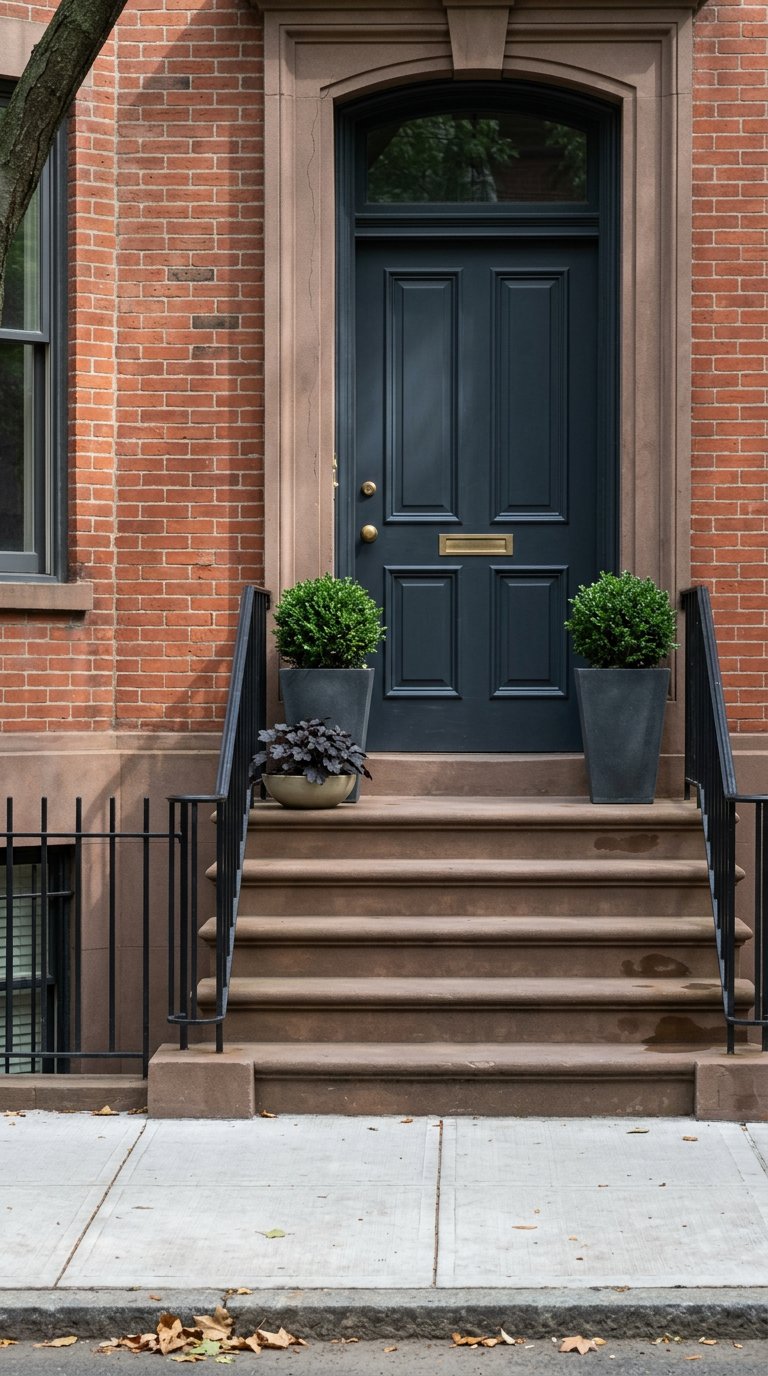
Entry details are another area where historic character matters. The guidelines state that original doors, surrounds, vestibules, transoms or fanlights, sidelights, and hardware should be retained when possible.
If replacement is necessary, the new door must suit the existing surround. Flush doors and metal-clad doors are not permitted, and storm doors are generally not allowed unless they were original to the building.
For owners, this means the front entry is rarely a place for an off-the-shelf solution. For buyers, it is a reminder that even small curb-appeal upgrades in Beacon Hill often require more thought than they would in a newer neighborhood.
Masonry and Paint Are More Sensitive Than You Think
Brick and stone work can seem simple, but Beacon Hill rules are very specific. The city discourages cleaning masonry, prohibits sandblasting, and generally does not allow masonry facades to be painted unless there is evidence they were originally painted.
The guidelines also state that historically unpainted materials, including copper, granite, brick, sandstone, lintels, sills, and stoops, should not be painted. That has real consequences for renovation scope, especially if you are trying to refresh a facade or correct work done by a prior owner.
Rooflines, Roof Decks, and Equipment Matter
Some of the biggest design compromises happen at the roof. According to the guidelines, original rooflines, dormers, chimneys, parapets, and firewalls should be retained.
The city considers roof decks and enclosures visible from a public way to be inappropriate. New roof-access structures should be low-profile and not visible from a public way, and HVAC, solar, telecom, and similar equipment must also be installed so they are not visible.
For larger rooftop or addition projects, the city may even require a site mock-up as part of the review process. If your renovation goals include outdoor space or upgraded systems, this is one of the first issues to vet before you finalize a purchase or design strategy.
Rear and Side Elevations Still Count
Many owners assume changes are easier if they are pushed to the side or rear of the building. In Beacon Hill, that is not always true.
The guidelines make clear that a project should respect both the main facade and secondary elevations. Fire escapes and balconies required for life safety should also be as simple and unobtrusive as possible.
In short, “not front-facing” does not always mean “easy to approve.” Visibility and compatibility still drive the conversation.
How the Approval Process Works
Beacon Hill design review hearings are currently held monthly on the third Thursday at 5 p.m. A complete application must be submitted 15 business days before the hearing by 5 p.m., and incomplete applications are not added to the agenda.
Applications are online only. The city’s application instructions state that paper and emailed applications are not accepted, and staff consultation is available in advance to discuss standards and documentation.
The city also advises owners not to start work or buy materials until approval is confirmed. Once approved, the decision letter is emailed to the applicant and is used to obtain the building permit from Inspectional Services. During construction, an approval placard must be displayed near the permit, as outlined on the Historic Beacon Hill District page.
Zoning and Permits Can Extend the Timeline
One of the biggest planning mistakes is treating BHAC review as the only step. The commission will not formally review an application until zoning issues are resolved through the Zoning Board of Appeal when that process is required.
For bigger scopes, written zoning confirmation may be needed if the project changes square footage, height, enclosed space, legal occupancy, or rooftop construction. On the permitting side, some low-impact work may qualify for a short-form permit, while larger structural or use-related projects generally require a long-form permit.
If you are renovating a condominium, there is another step to account for. The city notes that the association chair or an authorized representative signs as owner on the application.
What to Budget Beyond Construction
Your renovation budget should include more than contractor bids. Beacon Hill projects often involve preservation review fees, design and documentation costs, permit fees, and added time for approvals.
The city’s current BHAC fee schedule lists:
- $25 for minor exterior modifications
- $50 for facade changes such as windows, doors, roof decks, solar, HVAC equipment, and major masonry repair
- $100 for major exterior alterations such as front stoop replacement, new dormer, new openings, or demolition
- $250 for major construction
You can review those figures in the city’s application and fee instructions. The current long-form permit page also lists a $50 application fee plus $10 for every $1,000 of the work estimate.
Why Timelines Are Usually Longer
Even well-planned projects can move slowly because the process is sequential. Delays often come from incomplete submissions, unresolved zoning issues, or the need for multiple approvals before Inspectional Services can issue a permit.
That is especially true for custom windows, stoop work, roof additions, and visible mechanical systems. If you are buying a Beacon Hill property with renovation plans, it is wise to build flexibility into both your schedule and your carry costs.
The Smartest Renovation Approach
The most practical path is usually to preserve character-defining exterior elements while updating modern systems in ways that stay minimally visible. In Beacon Hill, that often means keeping front facades, windows, doors, and masonry in character while relocating equipment out of public view and considering less visible alternatives where exterior changes are hard to approve.
That approach does more than improve approval odds. It also tends to align with what buyers value most in Beacon Hill: historic authenticity, thoughtful updates, and architectural integrity.
What Buyers and Sellers Should Keep in Mind
If you are buying, look beyond finishes and ask what has been approved, what remains possible, and whether your intended changes touch visible exterior features. A home with “potential” in Beacon Hill may come with more design constraints than you expect.
If you are selling, understand that a well-documented renovation story can support confidence. Buyers often respond well when work respects the home’s historic fabric and the approval path has been handled carefully.
Whether you are evaluating a townhouse, a luxury condo, or a value-add opportunity, Beacon Hill rewards informed planning. If you want guidance on buying or selling a historic property in this market, The Robinette Team brings neighborhood-level insight and a highly tailored approach to complex Boston transactions.
FAQs
What exterior work in Beacon Hill usually requires review?
- Exterior architectural changes visible from a public way typically require review by the Beacon Hill Architectural Commission before work begins and before a building permit is issued.
What window rules apply to Beacon Hill historic homes?
- Beacon Hill guidelines generally require true divided lights, prohibit vinyl-clad sash and most metal cladding unless original, and do not allow simulated muntins.
What should homeowners know about roof decks in Beacon Hill?
- Roof decks and enclosures visible from a public way are considered inappropriate under the guidelines, so visibility is a major factor when planning rooftop changes.
What is the Beacon Hill renovation application timeline?
- Hearings are currently held monthly on the third Thursday at 5 p.m., and a complete application must be submitted 15 business days before the hearing by 5 p.m.
What permit costs should you expect for a Beacon Hill renovation?
- In addition to construction costs, you may have BHAC review fees, permit fees, and design expenses, with long-form permits currently listed at $50 plus $10 for every $1,000 of the work estimate.
What should buyers ask before purchasing a Beacon Hill fixer-upper?
- You should ask whether prior exterior work was approved, whether your planned changes affect visible exterior elements, and whether zoning or permit issues could extend the renovation timeline.