Hunting for a home in the South End can feel simple until parking enters the picture. In a neighborhood of historic brownstones and narrow streets, your choice of parking can shape daily convenience, long-term costs, and even resale appeal. This guide breaks down deeded, leased, valet or tandem, and resident permit options so you can choose the right fit for your lifestyle and budget. Let’s dive in.
South End parking basics
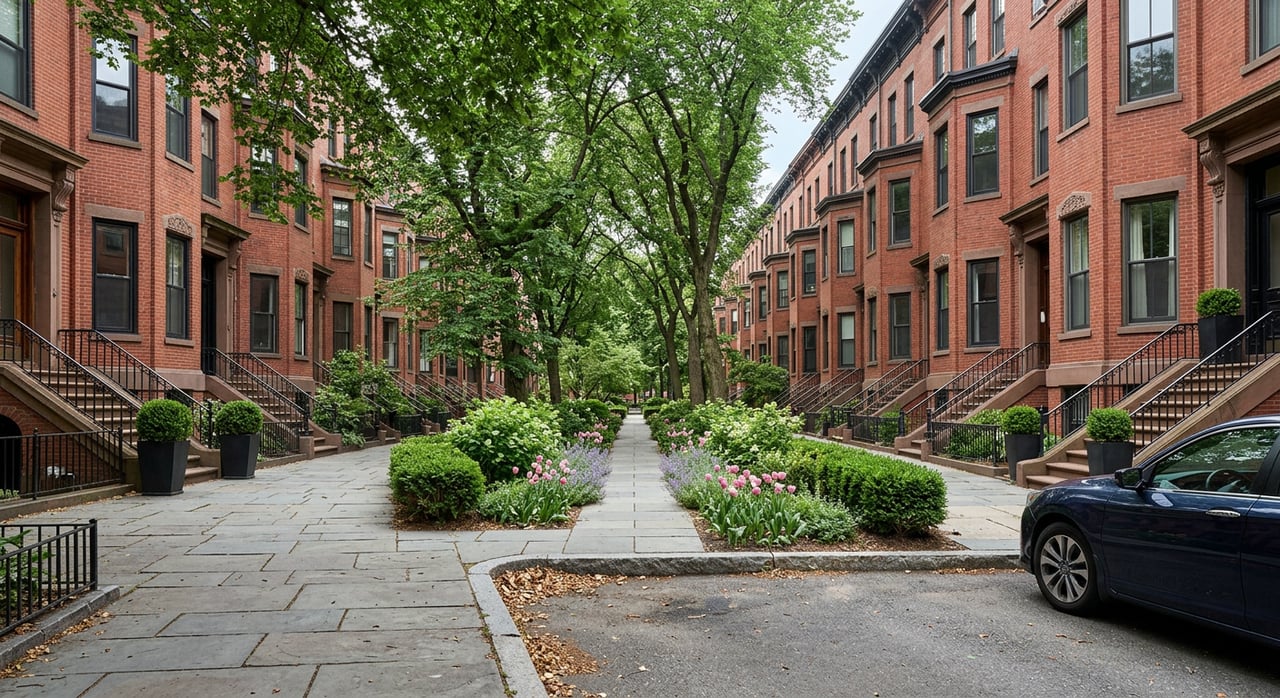
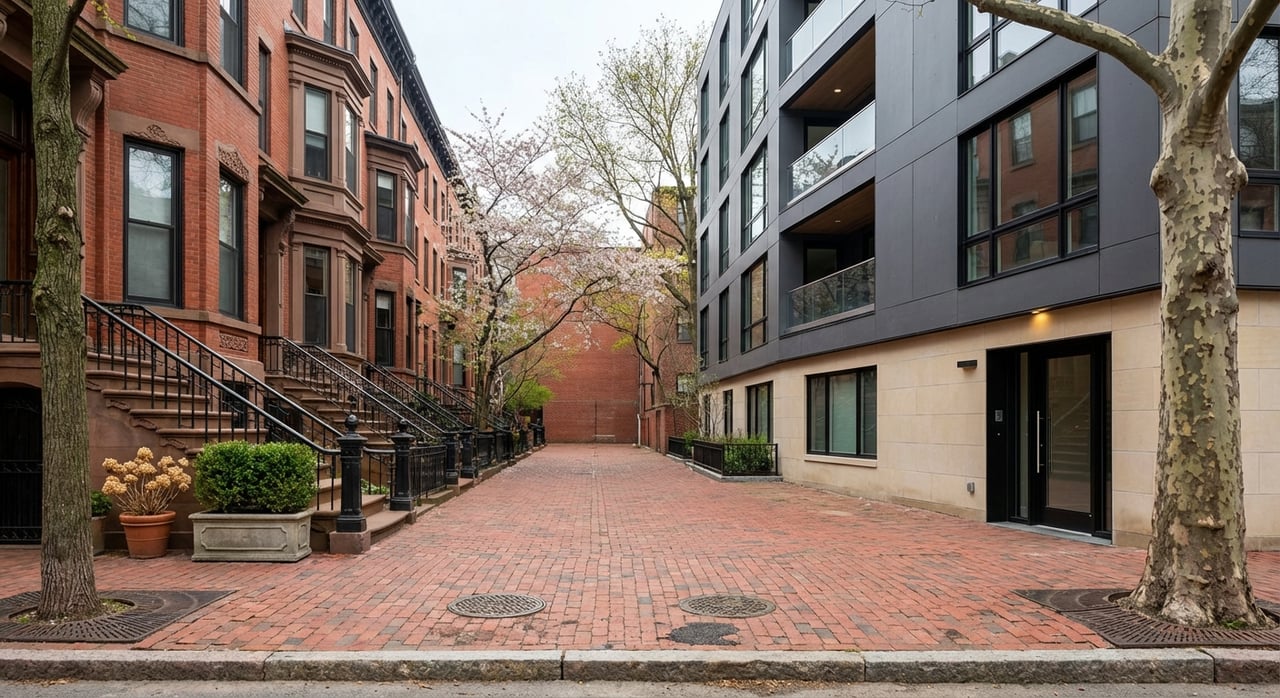
The South End is dense and highly walkable, with many older buildings that were never built with garages. That limits off-street supply and keeps demand steady. Nearby employment centers, hospitals, restaurants, and nightlife also draw commuters and visitors, which adds pressure to curb space.
Street rules vary by block. The City of Boston manages meters, resident-only zones, street sweeping, and enforcement. You will also see the ParkBoston system for metered payment. In practice, many buyers weigh deeded spaces, monthly garage leases, valet or tandem setups, or a resident permit, often paired with a short walk to the car.
Deeded parking: what to know
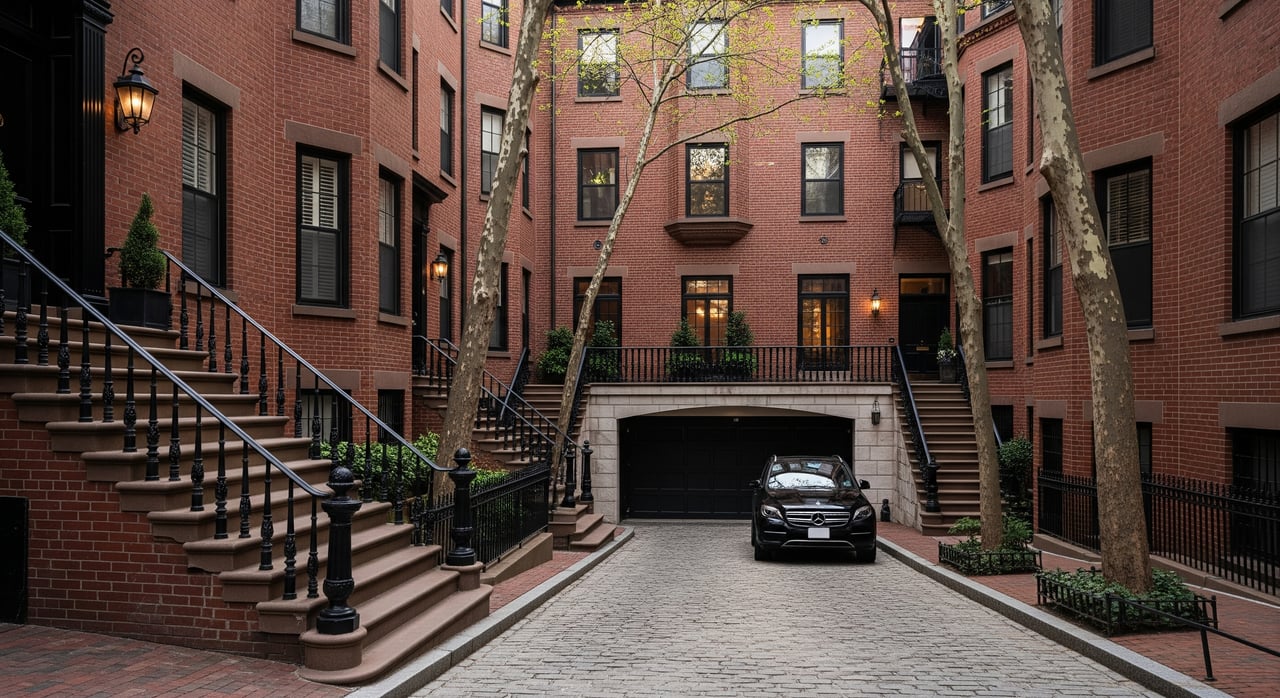
A deeded space is recorded in the unit deed or the condominium master deed and transfers with the property when you sell. In the South End, deeded spaces can be within a building’s garage or on a surface lot owned by the association.
Pros:
- Strongest guarantee of long-term access
- Adds resale appeal and can shorten time on market
- No monthly garage fee, though HOA costs may reflect maintenance
Cons:
- Higher purchase price and property taxes tied to added value
- Possible tight layouts or awkward access in older buildings
- Less flexible if you do not use the spot regularly
Market effect: In urban Boston neighborhoods, deeded parking commonly commands a premium. The size, location, and ease of access of the space all matter. Always verify the specifics before attaching a value.
Verification steps:
- Obtain the recorded deed or master deed and a plan that shows the space
- Confirm easements or exclusive-use language
- Review HOA rules on use, maintenance, and whether you can rent the spot
Leased garage parking
Leased parking means you rent a spot from a garage operator or your association on a monthly or term basis. Assignment and pricing depend on the operator or the HOA.
Pros:
- Flexible if you may not need a spot long term
- Often more available than deeded spaces
- Generally more predictable than on-street parking
Cons:
- Ongoing monthly cost with no ownership at resale
- Rates can change and leases can be terminated with notice
- Access hours, guest rules, and vehicle size limits vary
Cost expectations: Central Boston monthly rates typically range from the low-to-mid hundreds to several hundreds of dollars per month, depending on proximity and amenities. Prices can be volatile.
Verification steps:
- Get the lease in writing, including notice periods and any assignment rights
- Ask about waitlists, rate history, access hours, and vehicle restrictions
- If association-managed, confirm whether the HOA can reassign spaces
Valet, tandem, and shared setups
Some South End buildings use valet or tandem arrangements to increase capacity. Valet means an attendant parks and retrieves your car. Tandem places two cars in a single linear spot and requires coordination. Shared systems may rotate assignments among owners.
Pros:
- Increases overall parking availability in constrained buildings
- May cost less than a private, deeded space
Cons:
- Less autonomy and potential delays when you need your car
- Coordination challenges, potential for disputes or damage, and added insurance complexity
- May be less attractive to future buyers
Practical notes:
- Valet services add recurring operating costs that may appear in assessments
- Tandem or shared setups must be clearly described in condo bylaws to avoid financing and insurance issues
Verification steps:
- Review HOA policies on assignments, lock-out rules, guest parking, and how conflicts are resolved
- Confirm who carries liability insurance for operations and how claims are handled
Resident permit and street parking
Boston’s Resident Parking Permit program allows you to park in designated resident-restricted zones during posted hours. It does not guarantee a specific space and usually does not cover metered spots or garages. In the South End, some blocks have resident restrictions while others have mixed or metered rules.
Pros:
- Lower cost than leasing a garage
- Flexible if you drive infrequently and can tolerate a search
Cons:
- No guarantee of availability near your door
- Enforcement, street sweeping, events, and peak times can make parking harder
- Not ideal if you need reliable daily access
Practical notes:
- Permit eligibility generally requires proof of residency and vehicle registration at a Boston address
- Check the exact RPP status of your block and speak with neighbors or your HOA about real-world conditions
How parking impacts resale and financing
Resale value: Deeded parking tends to improve marketability in dense neighborhoods. Some buyers will pay a premium for certainty, while others prioritize location and price. The magnitude of any premium varies by building, space quality, and market conditions.
Financing and appraisal: Lenders typically view a deeded space as part of the real property, and appraisers may attribute value to it. Leased spaces are not real property. If you plan to rely on a leased space, expect underwriters to request the lease and proof of continued availability.
HOA costs and reserves: Garages require maintenance, snow removal, repairs, and sometimes staffing. Ask whether the parking area has a dedicated reserve and whether any assessments or major work are planned.
Insurance and liability: For valet or association-operated garages, confirm who carries commercial liability insurance and how damage or theft is handled.
Buyer due diligence checklist
- Confirm deeded rights: Recorded deed or master deed, plan showing the space, and any easements
- Review HOA documents: Assignment rules, leasing of spots, maintenance responsibility, and insurance
- Validate leases: Term, transfer rules, rate escalation, access hours, any waitlists
- Confirm RPP realities: Block-by-block restrictions, street sweeping, and typical evening or weekend availability
- Ask for building records: Parking rosters, maps, recent or planned assessments, and any parking-related disputes or litigation
Negotiation strategies
- Make parking access a contingency if it is essential. Require recorded documentation for deeded spaces or written confirmation from a garage operator for a lease that will remain available after closing.
- For exclusive-use assignments that are not deeded, seek a written covenant from the HOA or a recorded amendment that secures your assignment.
- Use parking type as a pricing lever. If you must lease, account for the monthly cost in your total cost of ownership and negotiate accordingly.
- Pro-rate parking costs at closing when a seller’s lease or fees straddle the closing date.
Which option fits your lifestyle
- Daily commuter: You likely want a deeded space or a stable monthly garage lease for reliable access.
- Family or shift work: Consistent, immediate access may be critical. Favor deeded or dependable leased options.
- Investor or pied-à-terre: Flexibility often wins. A leased spot or resident permit can work if you or your tenants use a car infrequently.
- Downsizer who rarely drives: A resident permit paired with rideshare, car-sharing, or transit may be sufficient.
Lifestyle and alternatives
Many South End residents blend options. For example, you might lease a garage spot for the winter and rely on resident permits in warmer months. Others opt to skip car ownership and use transit, car-sharing, rideshare, or e-bikes and scooters, which are all practical in a transit-rich, walkable area.
Seller checklist
- Documentation: Provide the recorded deed or master deed showing the space, a site plan, and any easements
- HOA records: Bylaws and rules for parking, assignment charts, any special assessments, and parking-related minutes
- Lease details: If parking is leased, supply the current lease, term, costs, transfer rules, and any written operator confirmations
- Disclosure: Clearly state whether the spot is deeded, exclusive-use, leased, valet, tandem, or permit-based, and note any limits
Work with a local advisor
Parking in the South End is not one-size-fits-all. The right choice depends on how often you drive, how much certainty you need, and how you value resale. A clear-eyed review of deed language, leases, HOA rules, and neighborhood conditions helps you avoid surprises and protect value.
If you are weighing a purchase or planning a sale, connect with neighborhood experts who understand the South End’s block-by-block realities. For discreet guidance and a tailored plan, reach out to The Robinette Team to Request a Private Valuation.
FAQs
What is a deeded parking space in Boston’s South End?
- A deeded space is recorded in the unit deed or condominium master deed and transfers with the property, often shown on a recorded plan.
Can a leased garage spot transfer when buying a condo?
- Only if the lease allows assignment and the operator or HOA consents; get the lease and written confirmation before closing.
Do Boston resident permits guarantee a space near my home?
- No. Permits allow parking in designated resident zones during posted hours but do not reserve a specific curb space.
How does deeded parking affect property taxes in the South End?
- A deeded space is part of the real property and can affect assessed value; confirm specifics with the local assessor.
Are tandem or valet parking setups a problem when financing a condo?
- Not inherently, but lenders and buyers expect clear HOA rules and reliable management; unclear arrangements can raise concerns.