Do you picture yourself on a tree-lined street of brick rowhouses, strolling to dinner, galleries, and a weekend market? If so, Boston’s South End might be your sweet spot. You get historic charm, a strong dining and arts scene, and quick access to the city’s job centers. In this guide, you’ll learn what daily life looks like, housing types to expect, commuting options, and how the South End compares to nearby neighborhoods. Let’s dive in.
South End snapshot
Historic fabric
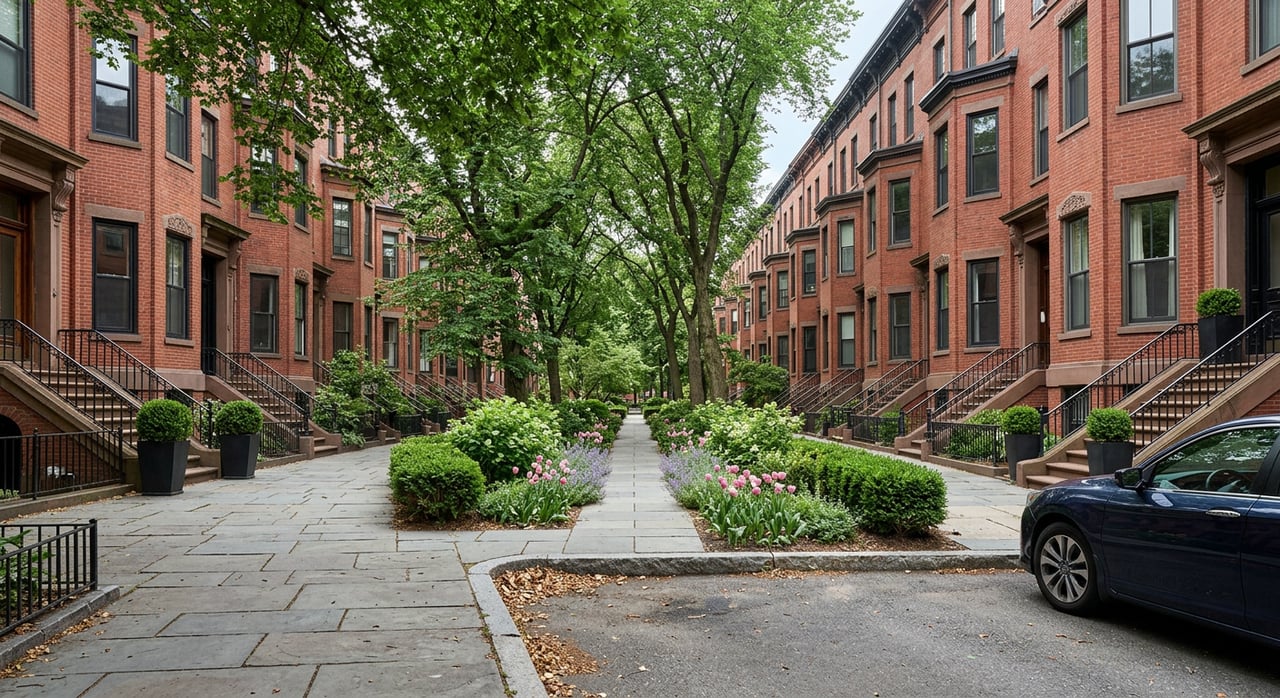
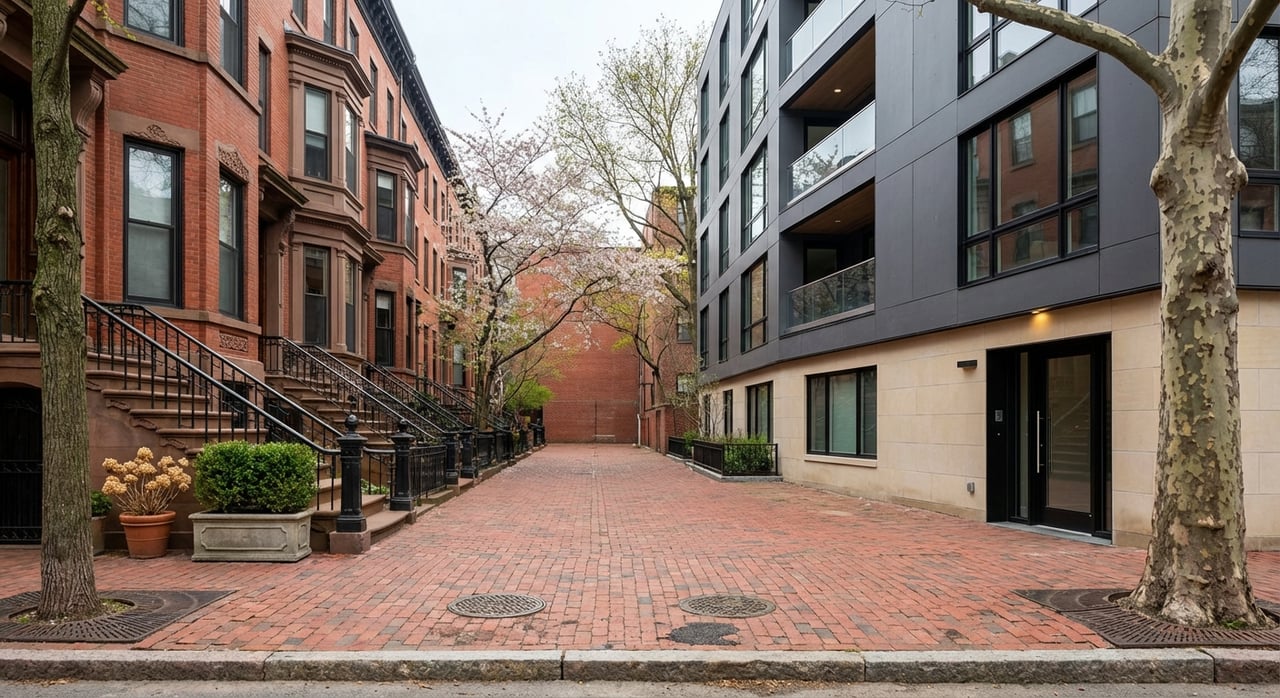
The South End blends 19th-century brick and brownstone rowhouses with lofts and newer mixed-use buildings. Many homes surround small urban squares that anchor block-by-block community life. As a designated historic district, the neighborhood preserves much of its original architecture and urban scale.
Lifestyle and feel
You live in a walkable, amenity-rich environment with a strong culinary and arts identity. Cafés, bakeries, and restaurants are part of daily life, as are galleries and community events. Rising housing costs have evolved the neighborhood over time, yet its intimate, residential streets remain a defining feature.
Housing and architecture
Brownstones and rowhouses
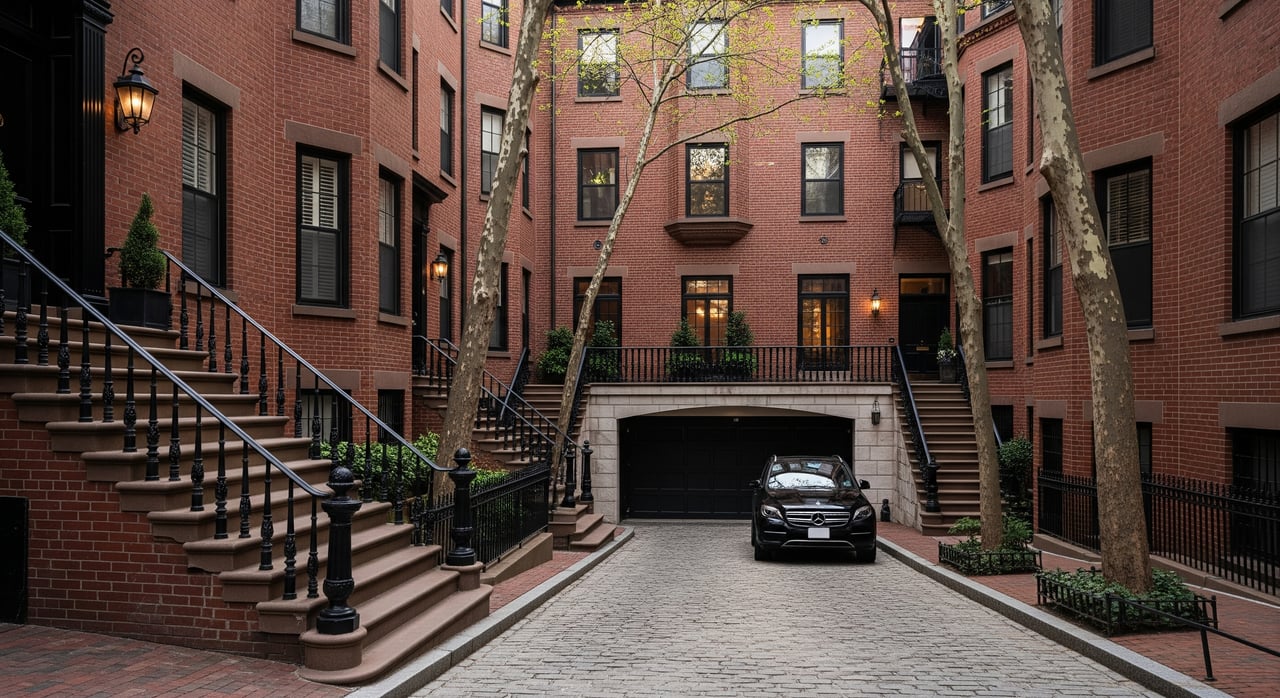
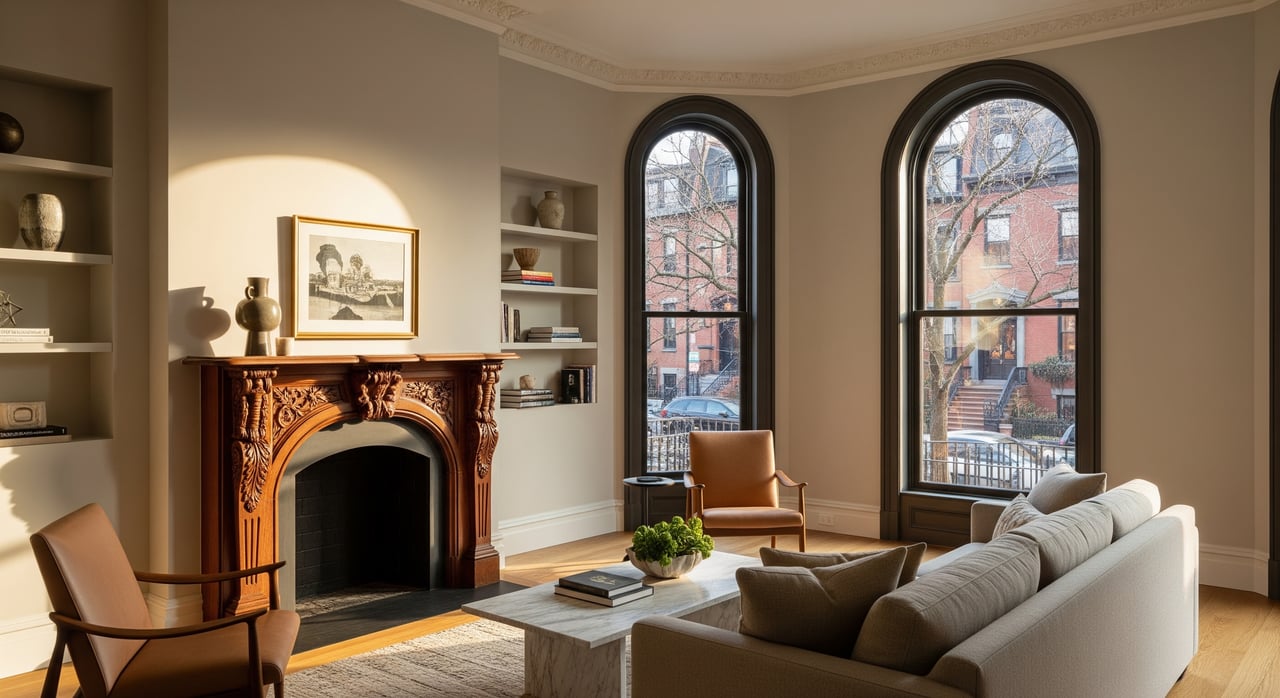
Most streets are lined with attached brownstones and brick rowhouses. Many have been converted into condominiums or multi-unit buildings, often with period details and tall windows. Expect stairs, narrower layouts, and limited private outdoor space in historic homes.
Lofts and new builds
Adaptive reuse lofts and apartments are common, particularly in the SoWa area. You also find market-rate and luxury condo buildings plus a smaller number of newer mixed-use developments. These options can offer elevators, garages, and modern amenities.
Access and layout
If you prioritize universal access, confirm features like elevators, ramped entries, and wider hallways before you tour. Historic conversions vary widely, and some buildings pair vintage charm with updated systems while others keep an older layout.
Everyday living
Parks and green space
Green space takes the form of small, historic squares such as Blackstone Square and Franklin Square. These tree-lined pockets support dog-walking, children’s play, and casual meetups. For longer runs and bike routes, the Southwest Corridor Park and larger parks in nearby neighborhoods are within easy reach.
Dining and markets
The South End is one of Boston’s top dining destinations. You can move from neighborhood cafés to acclaimed, reservation-only dining within a few blocks. Day-to-day needs are covered by local groceries, specialty shops, and convenient access to larger markets in adjacent areas.
Arts and SoWa
SoWa, the South End’s arts and design district, concentrates galleries, studios, and seasonal events. You can expect gallery walks, artist open studios, and market days that bring creative energy to the streets. Proximity to Boston’s broader cultural venues means theaters and museums are a short transit or bike ride away.
Health care and services
Major medical facilities sit just beyond the neighborhood’s edges. Tufts Medical Center, for example, is nearby, which is convenient if you need regular care. Everyday services, from fitness studios to pet care, are scattered throughout the commercial corridors.
Getting around
Walkability and transit
You can handle most errands on foot and still access rapid transit within minutes. Multiple MBTA bus routes run through the South End, and nearby stations in Back Bay, South Station, and the Chinatown and Tufts Medical Center area connect you to subways and regional rail. Commuting to other Boston employment centers is straightforward by transit.
Biking and driving
Bike lanes and cross-city routes are present, though urban traffic requires awareness. If you drive, you have quick routes to downtown and major highways. Keep resident-parking rules in mind and plan around street cleaning and snow emergencies.
Parking realities
Curbside parking is limited and often competitive. Many buildings require you to purchase or rent off-street parking, especially in newer or luxury developments. If parking matters, confirm availability early in your search.
Safety and peace of mind
The South End is commonly perceived as relatively safe for a central urban neighborhood. Like most city cores, it experiences property crime and occasional incidents, and conditions can vary by block and time of day. For current data, consult Boston Police Department resources and city public safety dashboards.
Schools and family life
Public and private options
Boston Public Schools use citywide policies for enrollment and school assignments, so check current guidance to understand your options. Several private and parochial schools in nearby neighborhoods may also be possibilities. If a specific school path is a priority, verify policies and availability before you buy.
Space and routines
Families who value walkability and culture often appreciate the South End’s convenience. Historic rowhouses and condos may mean fewer large-bedroom layouts, more stairs, and limited private yard space. Many residents offset that with proximity to parks, community centers, and extracurriculars nearby.
Market expectations
Housing here is high demand, with renovated brownstones and luxury condos that command premium pricing. Inventory tends to be tight, and well-presented properties move quickly. Development in corridors like SoWa and Ink Block has added mixed-use projects and retail that can influence supply and lifestyle over time.
What to watch as you plan a purchase or sale:
- Inventory trends and days on market
- Price movement for condos and townhomes
- Rent levels and investor activity
- New development announcements and condo releases
How it compares
South End vs Back Bay
Back Bay leans formal with high-end retail and grand apartment blocks. The South End feels more eclectic and residential, with small restaurants, galleries, and intimate streets.
South End vs Beacon Hill
Beacon Hill is smaller scale, very historic, and draws heavy visitor traffic. The South End offers wider blocks, a broader dining scene, and busier everyday street life.
South End vs Fenway
Fenway concentrates entertainment and student life near Fenway Park and skews more rental-heavy. The South End has a steadier mix of long-term residents and a robust restaurant and gallery scene.
South End vs Seaport
Seaport is newer and glass-forward, with corporate offices and waterfront dining. The South End delivers historic texture, neighborhood intimacy, and classic Boston brownstone appeal.
Is the South End right for you?
You may feel at home in the South End if you value:
- Walkability, dining variety, and gallery culture
- Historic architecture with modern conveniences nearby
- Quick access to downtown, Back Bay, and South Station
- A compact urban lifestyle where small parks and cafés anchor daily routines
If you want elevator access, on-site parking, or larger floor plates, focus on newer buildings and recent conversions. If you crave period detail and traditional stoops, explore rowhouse streets around the neighborhood squares.
Ready to explore on the ground or discuss off-market options that fit your goals? Reach out to The Robinette Team for discreet guidance and a tailored plan.
FAQs
What should I know about living in Boston’s South End compared with Back Bay?
- Back Bay offers a formal retail core and grand buildings, while the South End emphasizes eclectic dining, galleries, and residential brownstone streets.
How walkable and transit friendly is the South End for daily commuting?
- You can handle errands on foot, use multiple bus routes, and access rapid transit at nearby Back Bay, South Station, and Chinatown or Tufts Medical Center stops.
What housing types are most common in the South End for buyers?
- Expect brownstones and rowhouse condos, adaptive reuse lofts in SoWa, and a selection of luxury condo buildings and newer mixed-use developments.
What is parking like if I own a car in the South End?
- Street parking is limited and competitive, and many buildings require purchasing or renting a dedicated off-street space, especially in newer developments.
Are there parks and outdoor spaces in the South End for relaxation?
- Yes, small historic squares like Blackstone and Franklin Square serve daily needs, with the Southwest Corridor Park and larger nearby parks for longer outings.
How do school options work if I move to the South End?
- Boston Public Schools assign students under citywide policies, and several private or parochial options nearby may be available, so verify current enrollment details early.